11 Japanese Rituals for Longevity, Ageless Beauty Calm Wellness Tips
Embracing a lifestyle that prioritizes longevity and inner peace is more than just a modern trend; it is a profound journey into cultural wisdom that has sustained generations. When we look at the traditional practices originating from Japan, we find a treasure trove of rituals designed to harmonize the body, mind, and spirit. These are not complex, expensive bio-hacks, but rather simple, intentional shifts in how we interact with nature, our food, and ourselves. By integrating these eleventh specific rituals into your daily routine, you can unlock a pathway to ageless beauty and a profound sense of calm that radiates from the inside out.
1. The Healing Power of Shinrin-Yoku
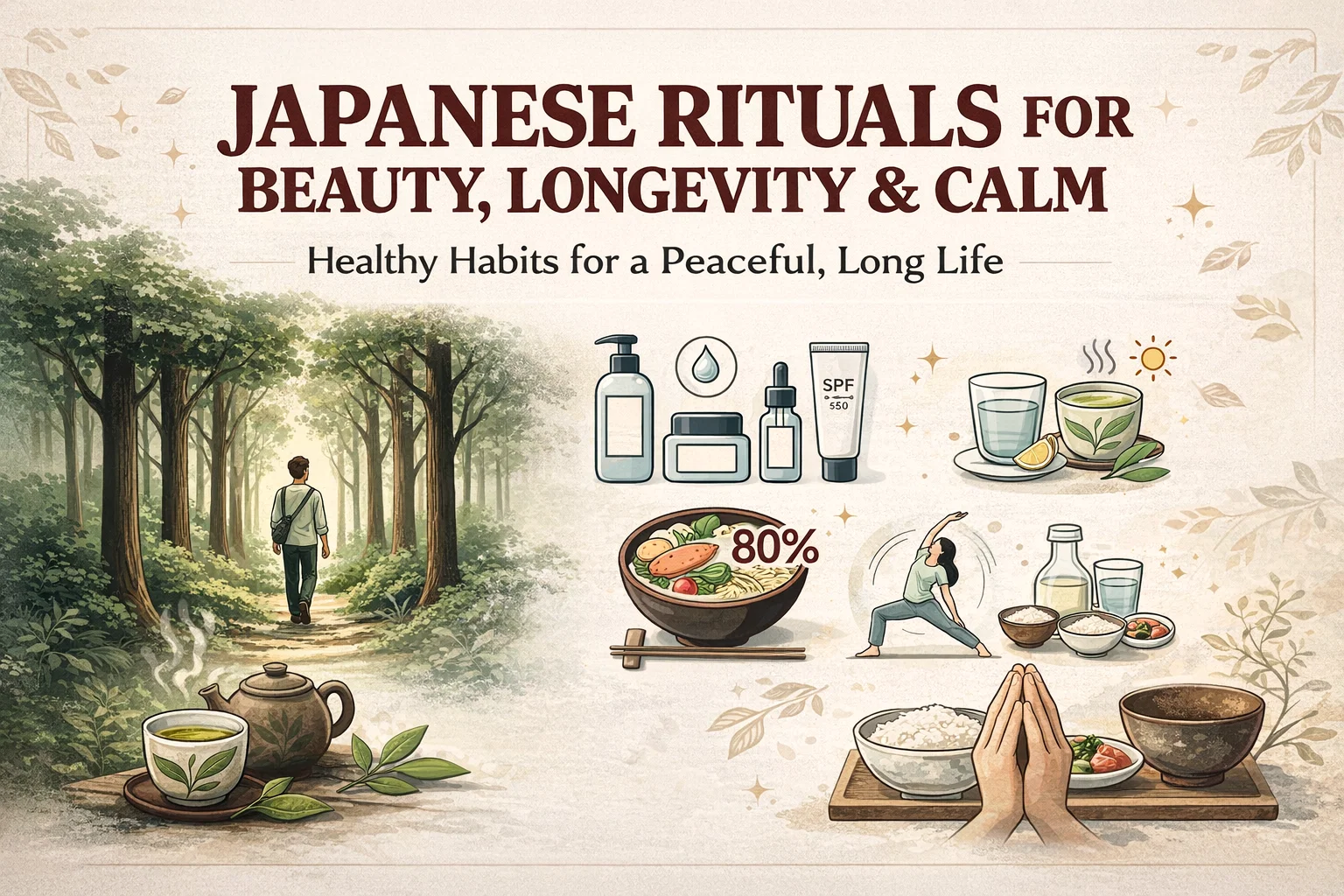
Shinrin-Yoku, or forest bathing, is the practice of immersing oneself in the atmosphere of the forest. It is not about hiking or achieving a specific fitness goal, but rather about presence. Scientific studies have shown that spending quiet time among trees significantly lowers cortisol levels and resets the nervous system. When your stress levels drop, your body is better able to repair itself, leading to healthier aging skin and a more resilient immune system. Even a short walk in a local park can provide these grounding benefits if you leave your phone behind and focus on the rustle of leaves and the scent of the earth.
2. Nourishing the Body with Daily Green Tea
Green tea is a staple of Japanese life for a very good reason. It is incredibly rich in antioxidants, particularly EGCG, which helps fight oxidative stress in the body. Beyond just a refreshing beverage, green tea supports your metabolism and provides a steady, calm energy without the jitters associated with coffee. Regular consumption is linked to better skin elasticity and long term heart health, making it an essential ritual for anyone looking to support their longevity through simple dietary habits.
3. The Importance of Sleeping Before Midnight
In our fast paced world, it is easy to neglect the power of timing when it comes to rest. Traditional wisdom suggests that the hours of deep sleep between 10 PM and 2 AM are the most critical for hormonal repair and skin regeneration. This window is often referred to as the golden time for beauty sleep. By aligning your internal clock with the natural rhythm of the day and ensuring you are asleep before the clock strikes twelve, you allow your body to perform its most vital maintenance tasks, ensuring you wake up looking and feeling refreshed.
4. Achieving Radiance with Simple Skincare
Western beauty routines often involve a dizzying array of products and active ingredients, but the Japanese approach favors simplicity and consistency. A gentle cleanser, light hydration, and daily SPF are the core pillars of a healthy complexion. By using fewer products but applying them with care every single day, you avoid overwhelming the skin barrier. Consistency is the secret ingredient here; a modest routine followed religiously will always outperform a complex one that is only done occasionally.
5. Mastering the Hara Hachi Bu Rule
One of the most powerful rituals for longevity comes from the dining table. Hara Hachi Bu is the practice of eating until you are only 80 percent full. This mindful approach to consumption prevents the digestive system from becoming overloaded, which in turn reduces inflammation throughout the body. When you stop eating just before you feel stuffed, you give your brain time to catch up with your stomach, leading to better weight management and increased energy levels throughout the afternoon.
The Science of Satiety
It takes about twenty minutes for the signal of fullness to travel from your gut to your brain. By practicing Hara Hachi Bu, you are essentially accounting for that delay. This habit encourages you to eat more slowly and savor each bite, which naturally improves digestion and makes the experience of eating more joyful and less mechanical.
6. The Ancient Rice Water Ritual
For centuries, Japanese women have used fermented rice water to maintain their legendary porcelain skin and silky hair. Rice water is packed with vitamins, minerals, and amino acids that soothe the skin and support its natural barrier. Using it as a toner or a final hair rinse can smooth the texture of your skin and add a healthy glow. It is a beautiful example of how a simple kitchen staple can be transformed into a potent beauty treatment through the power of fermentation.
7. Awakening with Warm Water
Starting your day with a glass of warm water is a gentle way to wake up your internal organs. Unlike ice cold water, which can shock the system, warm water gently activates digestion and improves circulation. This ritual helps flush out toxins accumulated overnight and prepares your stomach for breakfast. Many find that this simple habit also helps clear the skin by promoting better lymphatic drainage right from the moment they wake up.
8. Daily Stretching for Vitality
You do not need an intense gym session to stay youthful. Daily stretching improves circulation and helps maintain a graceful posture as you age. Beyond the physical benefits for your muscles and joints, stretching can actually improve your natural facial tone. By releasing tension in the neck and shoulders, you allow blood to flow more freely to the face, giving you a natural lift and a brighter complexion. It is a ritual of movement that honors the body’s need for flexibility.
9. Practicing Itadakimasu
Before every meal, taking a mindful pause to say Itadakimasu is a ritual of gratitude. This simple phrase means “I humbly receive,” and it serves as a mental transition into a state of rest and digest. When you take a moment to acknowledge the effort that went into your food, from the farmer to the cook, your body physically relaxes. This state of relaxation is crucial for optimal nutrient absorption and prevents the digestive distress often caused by eating while stressed or rushed.
10. Cultivating Clean Surroundings
The state of your environment is often a reflection of the state of your mind. Maintaining order and cleanliness in your home or workspace is a ritual that reduces mental stress and promotes a sense of calm. A cluttered room creates “visual noise” that can trigger anxiety. By keeping your surroundings tidy and intentional, you create a sanctuary where you can truly relax and recharge. This practice turns chores into a form of moving meditation that benefits your mental well being.
11. Embracing the Philosophy of Wabi-Sabi
Perhaps the most profound ritual is a shift in mindset. Wabi-Sabi is the art of finding beauty in imperfection and the natural cycle of growth and decay. In the context of beauty and aging, it means accepting that we cannot stop time, but we can age with grace. Instead of fighting every wrinkle or flaw, we embrace them as part of our unique story. This acceptance lowers the psychological burden of trying to reach an impossible standard of perfection, leading to a much more peaceful and genuinely beautiful life.
Finding Grace in the Everyday
Wabi-Sabi teaches us that nothing is finished, nothing is perfect, and nothing lasts. When we apply this to our daily lives, we become more patient with ourselves and others. We start to value the cracked ceramic bowl or the fading flower, and in doing so, we find a deep sense of contentment that no luxury product could ever provide.
Conclusion: Integrating Rituals into a Modern Life
The beauty of these eleven Japanese rituals lies in their accessibility. You do not need to overhaul your entire life overnight to see the benefits. Perhaps you start by drinking a cup of green tea each morning, or by taking a few deep breaths of gratitude before you eat. As these small habits begin to take root, you will likely find that you feel more grounded, your skin looks clearer, and your outlook becomes more positive. True beauty and longevity are not found in a bottle, but in the consistent, mindful choices we make every day to honor our bodies and the world around us. Start today by choosing one ritual that resonates with you and watch how it transforms your sense of calm and vitality.