Vitamin K Guide K1 vs K2, Top Food Sources Health Benefits
Welcome to a comprehensive journey into one of the most underrated, yet absolutely vital, nutrients in the human diet. When we think about essential daily vitamins, our minds usually jump straight to Vitamin C for immune support or Vitamin D for that sunshine energy. However, there is a silent guardian working tirelessly behind the scenes to ensure your body functions flawlessly. We are talking about Vitamin K. This remarkable nutrient is the unsung hero of your internal ecosystem, playing a non-negotiable role in keeping your blood healthy, your heart functioning optimally, and your bones strong enough to carry you through life.
Despite its critical importance, Vitamin K rarely gets the spotlight it deserves. Many people are completely unaware that this vitamin actually comes in different forms, each with its own unique set of responsibilities and optimal food sources. Today, we are going to demystify this essential nutrient. We will explore the fascinating differences between its primary types, uncover exactly how much you need on a daily basis, and reveal the most delicious natural food sources to help you reach your goals. Get ready to elevate your nutritional knowledge and discover how to unlock the full potential of Vitamin K.
Understanding the Two Faces of Vitamin K: K1 and K2
To truly understand how to optimize your health, you first need to know that Vitamin K is not just a single compound. It is actually a family of fat-soluble vitamins. The two most important members of this family for human health are Vitamin K1 and Vitamin K2. While they share a name, they behave quite differently inside your body and are found in completely different types of foods.
Vitamin K1 (Phylloquinone): The Clotting Champion
Vitamin K1, scientifically known as phylloquinone, is the most common form of Vitamin K found in the standard diet. If you are a fan of fresh, vibrant salads, you are likely already getting a good dose of this nutrient. Vitamin K1 is synthesized by plants and is predominantly found in leafy green vegetables.
The primary job of Vitamin K1 is to assist in the process of blood clotting. When you get a paper cut or scrape your knee, your body needs to quickly stop the bleeding to heal the wound. Vitamin K1 acts as a crucial coenzyme that activates specific proteins in your liver, which then cascade to form a healthy, functional blood clot. Without an adequate supply of Vitamin K1, even minor injuries could lead to excessive bleeding. It is your body’s natural built-in bandage system, and K1 is the supervisor making sure the job gets done right.
Vitamin K2 (Menaquinones): The Bone and Heart Protector
While K1 is busy managing your blood, Vitamin K2, or menaquinones, takes on a different, yet equally vital, set of tasks. Unlike its plant-based sibling, Vitamin K2 is primarily found in fermented foods and certain animal products. It can also be produced in small amounts by the beneficial bacteria living in your gut microbiome.
Vitamin K2 is a powerhouse when it comes to bone and cardiovascular health. Its main function revolves around calcium metabolism. We all know that calcium is essential for strong bones, but calcium needs a director to tell it where to go. Vitamin K2 activates a protein called osteocalcin, which actively binds calcium to your bone matrix, making your skeleton denser and stronger. But the benefits do not stop there. Vitamin K2 also activates matrix GLA protein, which sweeps excess calcium out of your bloodstream and soft tissues, preventing it from calcifying in your arteries. By keeping calcium in your bones and out of your cardiovascular system, Vitamin K2 acts as a dual-action protector for your long-term health.
How Much Vitamin K Do You Actually Need?
Now that we know why this vitamin is so essential, the next logical question is how much we should be consuming every day. The Recommended Daily Intake, or RDA, provides a solid baseline to ensure your body has what it needs to maintain optimal clotting and bone health.
- For Men: The recommended target is 120 micrograms (mcg) per day.
- For Women: The recommended target is slightly lower at 90 micrograms (mcg) per day.
- For Children: The required intake varies significantly by age, growing as the child develops. Pediatricians typically monitor this through a balanced diet as kids transition from infancy through their teenage years.
The great news is that because Vitamin K is so abundant in whole foods, hitting these daily targets is incredibly achievable with just a few mindful additions to your meals.
Top Natural Food Sources to Boost Your Intake
Mother Nature provides an absolute bounty of delicious options for getting your daily dose of Vitamin K. By focusing on whole, unprocessed foods, you can easily cover your nutritional bases.
The Green Powerhouses (Rich in Vitamin K1)
If you want to boost your Vitamin K1 levels, you need to think green. The darker and leafier the vegetable, the better.
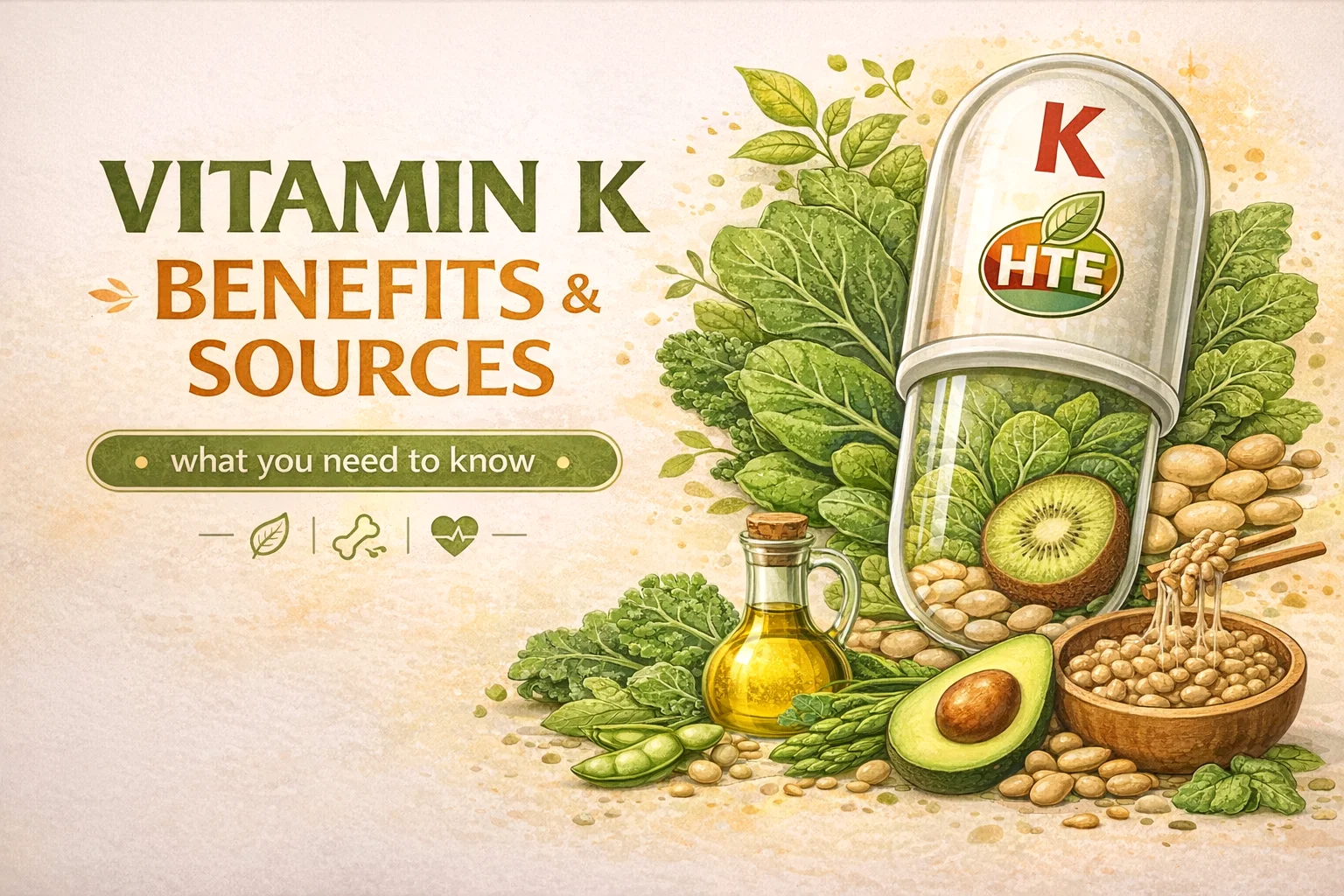
- Kale, Spinach, and Collard Greens: These are the undisputed heavyweights of the Vitamin K world. A single hearty serving of any of these dark leafy greens can often provide more than your entire daily requirement. They are perfect for salads, smoothies, or sautéed as a warm side dish.
- Chinese Cabbage (Bok Choy): This crisp and versatile vegetable is a fantastic addition to stir-fries and soups, bringing a healthy dose of K1 along with incredible texture.
- Fresh Herbs (Parsley and Basil): Do not underestimate the power of garnishes. Fresh parsley and basil are incredibly concentrated sources of Vitamin K1. Adding a handful to your pasta, salads, or homemade pesto is a brilliant way to sneak in extra nutrients.
- Broccoli and Asparagus: These classic dinner table staples are reliable, kid-friendly sources of Vitamin K1. Roasting them brings out their natural sweetness while locking in their nutritional value.
The Fermented Superstars (Rich in Vitamin K2)
Sourcing Vitamin K2 requires looking outside the vegetable crisper and into the world of fermentation.
- Soybeans, especially Natto: Natto is a traditional Japanese dish made from fermented soybeans, and it holds the crown as the single highest natural dietary source of Vitamin K2. While its sticky texture and strong flavor can be an acquired taste, its health benefits are unparalleled. If you are serious about bone and heart health, finding ways to incorporate natto or other fermented soy products into your routine is a game-changer.
Crucial Facts You Might Not Know About Vitamin K
To round out your knowledge, there are a few important facts about Vitamin K that highlight how it interacts with our bodies across different stages of life.
First, true clinical Vitamin K deficiency is quite rare in healthy adults. Because it is found in such a wide variety of common foods and our gut bacteria produce a small amount, most adults eating a relatively balanced diet get enough for basic blood clotting. However, “enough to prevent bleeding” is not the same as “optimal for long-term health.” Falling short over a long period, especially of Vitamin K2, may subtly affect your bone mineral density and cardiovascular health as you age.
Second, the situation is completely different for newborns. Infants are born with incredibly low stores of Vitamin K. Because their tiny livers are immature and their intestines lack the bacteria needed to synthesize the vitamin, they are at risk for a rare but serious bleeding disorder. This is exactly why a Vitamin K shot is routinely given to babies shortly after birth in hospitals worldwide. It is a safe, standard procedure that provides an immediate, life-saving boost to their developing systems.
The Ultimate Absorption Hack: Pair with Healthy Fats
You can eat all the kale and spinach in the world, but if your body cannot absorb the nutrients, you are missing out on the benefits. This brings us to a crucial dietary tip. Vitamin K is a fat-soluble vitamin. This means it dissolves in fat, not water, and your digestive system requires the presence of dietary fats to properly absorb it and transport it into your bloodstream.
If you are eating a bowl of plain, steamed broccoli or a dry spinach salad, a significant portion of that precious Vitamin K will simply pass right through you. To unlock maximum absorption, you must pair your Vitamin K sources with healthy fats. Here are a few delicious ways to do it:
- Drizzle with Olive Oil: A generous splash of extra virgin olive oil over your roasted asparagus or fresh greens not only elevates the flavor but ensures you absorb every microgram of Vitamin K.
- Add Avocado: Slicing creamy avocado over your salads or blending it into your green smoothies provides the perfect healthy fats needed for optimal nutrient uptake.
- Toss in Nuts and Seeds: Sprinkling walnuts, almonds, or sunflower seeds over your bok choy or spinach adds a delightful crunch alongside essential fatty acids.
Conclusion: Your Path to Better Health with Vitamin K
Vitamin K may not be the most famous nutrient on the block, but its impact on your overall well-being is undeniable. From ensuring your body can heal itself through proper blood clotting to actively directing calcium to fortify your bones and protect your heart, it is a multitasking marvel. By understanding the distinct roles of Vitamin K1 and K2, you can make smarter, more intentional choices at the grocery store.
Remember to fill your plate with vibrant leafy greens, explore the benefits of fermented foods like natto, and never forget the golden rule of absorption: always pair your greens with healthy fats like olive oil or avocado. Small, consistent changes to your diet can yield massive benefits for your long-term vitality. Embrace the power of Vitamin K, and give your body the essential tools it needs to thrive for years to come.
Would you like me to draft a catchy meta description or suggest some SEO tags for this WordPress post?