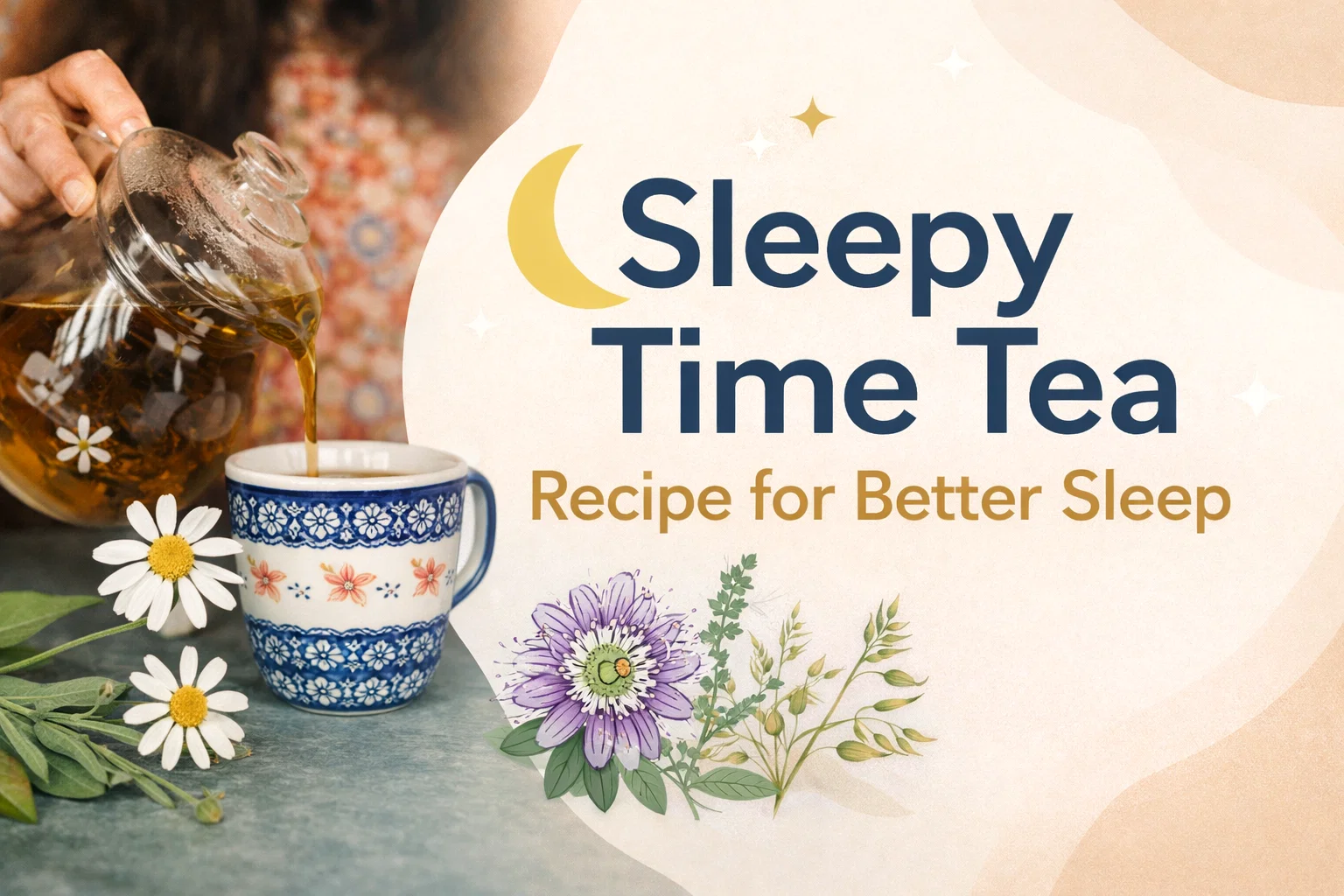
Rosemary Gladstars Sleepy Time Tea Recipe Natural Herbal Sleep Aid for Better Rest
The journey toward a restful night of sleep often feels like an uphill battle in our fast-paced, digital world. Many of us find ourselves tossing and turning, our minds racing with the events of the day or the anxieties of tomorrow. While there are countless modern solutions available, there is something deeply grounding and effective about returning to the wisdom of the earth. Rosemary Gladstar, a pioneer in the modern herbal movement, has shared a beautiful Sleepy Time Tea recipe that serves as more than just a beverage. It is a gentle invitation to slow down, breathe, and nourish your nervous system before the dream time begins.
Understanding the Art of the Nervine Tea
In the realm of herbalism, we often refer to certain plants as nervines. These are herbs specifically known for their ability to support and tonify the nervous system. Unlike heavy sedatives that might leave you feeling groggy the next morning, a gentle nervine tea works with your body’s natural rhythms. The goal of this specific blend is to create a bridge between the activity of your day and the stillness of the night. By sipping this tea several hours before bed, you allow the botanical constituents to begin their work early, easing tension from your muscles and quietening the mental chatter that so often prevents deep sleep.
The philosophy behind this tea is centered on mindfulness. As the recipe suggests, the experience of drinking the tea is just as important as the ingredients themselves. Savoring each sip, noticing the floral notes of chamomile, and feeling the warmth of the mug in your hands creates a sensory signal to your brain that it is time to transition into a state of rest. It is a ritual of self-care that honors the need for quietude in a noisy world.
The Synergy of Ingredients: Nature’s Cabinet
What makes this specific recipe so effective is the thoughtful combination of herbs that work in harmony. Each ingredient has been selected not just for its individual benefits, but for how it complements the others in the blend. Let us take a closer look at the botanical powerhouses included in this sleepy time mixture.
Chamomile: The Gentle Powerhouse
Chamomile is perhaps the most famous sleep herb in the world, and for good reason. It is often underestimated because of its ubiquity, but in herbal circles, it is respected as a potent tonic. Chamomile contains apigenin, an antioxidant that binds to certain receptors in your brain that may promote sleepiness and reduce insomnia. In this recipe, chamomile acts as the foundation, providing a floral, apple-like flavor and a reliable sedative effect that is safe for almost everyone.
Milky Oat Seed: Nourishing the Frayed Nerves
Avena sativa, or oats, are usually thought of as a breakfast food, but the milky seed harvested during a specific stage of the plant’s growth is a treasure for the nervous system. Milky oats are considered a trophorestorative, meaning they actually help to rebuild and nourish exhausted nerves. If you are someone who feels “tired but wired” or suffers from burnout, milky oats are the ingredient that provides long-term support rather than just a quick fix for one night of sleep.
Lemon Balm: Brightening the Spirit
Lemon balm is a member of the mint family and brings a refreshing, citrusy aroma to the blend. Historically, it has been used to reduce stress and anxiety while promoting a sense of calm. It is particularly helpful for those whose sleeplessness is tied to digestive upset or a restless heart. By adding lemon balm to the mix, the tea gains a lighter flavor profile and an added layer of emotional support.
Passionflower: Silencing the Busy Mind
If your main barrier to sleep is a circular thought pattern or a mind that simply won’t shut off, passionflower is your best friend. This striking climbing vine is a powerful nervine that helps to increase levels of gamma-aminobutyric acid (GABA) in the brain. This compound lowers brain activity, which can help you relax and sleep better. It is the ingredient that brings the “depth” to this sedative blend.
Rose Petals: A Touch of Comfort
While optional, the addition of rose petals adds a beautiful visual element and a subtle heart-centered energy to the tea. Rose is often used in herbalism to soothe the emotional body and provide a sense of safety and comfort. It turns a functional tea into a luxurious experience, reminding you to be kind to yourself as you end your day.
How to Craft Your Herbal Blend
One of the most empowering aspects of herbalism is the ability to create your own medicine. This recipe uses the “parts” system, which is a traditional way of measuring that allows for total flexibility. Whether you want to make a single cup or a gallon-sized jar to keep in your pantry, the ratios remain the same. To get started, follow these simple steps for preparation and storage.
- Choose your measurement: A “part” can be a teaspoon, a tablespoon, or a cup. Decide how much total tea you want to make and use that tool for every ingredient.
- Mix with intention: Combine your herbs in a large glass jar. Use your hands or a wooden spoon to blend them thoroughly, noticing the different textures and scents of the dried botanicals.
- Store properly: Light and heat are the enemies of dried herbs. Keep your blend in a cool, dark place, preferably in an airtight glass jar, to preserve the volatile oils and medicinal properties.
The Perfect Steep: Timing and Technique
Brewing a medicinal tea is slightly different from making a standard bag of black tea from the grocery store. Because we are working with dried flowers, seeds, and leaves, we want to ensure we are extracting the maximum amount of beneficial compounds without making the tea overly bitter. Rosemary Gladstar emphasizes the importance of the “gentle” steep for a sleep aid.
To prepare a cup, use one heaping teaspoon to one tablespoon of the mixture. Pour boiling water over the herbs and immediately cover the mug. Covering the tea is a vital step often missed; it prevents the essential oils from escaping with the steam. Let the tea steep for ten to twenty minutes. As the recipe notes, the longer you steep, the stronger the tea becomes. While a long steep is great for a digestive tonic, a shorter, more pleasant-tasting steep is often better for a relaxing evening ritual.
Integrating the Tea into Your Nightly Routine
Consistency is key when working with herbal remedies. While you may feel the effects after just one cup, the true magic happens when you make this tea a regular part of your evening. Try drinking your first cup about two hours before you plan to go to bed. This gives your body time to process the liquid and allows you to use the bathroom before sleep, ensuring that your rest isn’t interrupted by a full bladder.
Consider pairing your tea time with other low-stimulation activities. This might include dimming the lights, putting away your phone, or journaling. As the image suggests, you can even “engage in a conversation” with your tea. This doesn’t have to be literal, but rather a moment of introspection. Ask yourself what lessons the day brought and what dreams you hope to invite in. This mental transition is a powerful way to signal to your subconscious that the workday is over and the healing time has begun.
Safety and Considerations
While the herbs in this blend are generally considered safe and gentle, it is always wise to listen to your own body. If you are pregnant, nursing, or taking specific medications for anxiety or sleep, consult with a healthcare professional or a clinical herbalist before adding new botanicals to your routine. Herbalism is about building a relationship with plants, and that relationship should always be built on a foundation of safety and respect for your unique biology.
Remember that “stronger” does not always mean “more powerful.” In the world of herbal medicine, the most profound changes often come from the most gentle applications. By choosing a tea that tastes pleasant and feels soothing, you are more likely to stick with the habit and reap the long-term benefits of a nourished nervous system.
Conclusion: Embracing the Dream Time
The Sleepy Time Tea recipe by Rosemary Gladstar is more than just a remedy for insomnia; it is a testament to the power of plants to heal and soothe the human spirit. In a world that often demands we be “on” at all hours, taking the time to brew a pot of herbs is an act of rebellion and self-love. It allows us to reclaim our nights and approach our sleep with a sense of sacredness.
Whether you are a seasoned herbalist or a curious beginner, this blend offers a simple and effective way to improve your well-being. By combining the floral sweetness of chamomile, the nourishing strength of oats, and the calming presence of passionflower and lemon balm, you are giving yourself the gift of peace. So, tonight, put the kettle on, find a quiet corner, and let the herbs guide you into a restful, restorative sleep. Sweet dreams await.