Best Time to Plant Patio Herbs in Indiana Spring Gardening Calendar Planting Schedule
Springtime in Indiana is a beautiful yet unpredictable season. For gardening enthusiasts, it is that long awaited moment when we can finally trade our winter coats for gardening gloves. However, if you have lived through a few Hoosier springs, you know that the weather is anything but consistent. One day it is seventy degrees and sunny, and the next you are waking up to a light dusting of frost on your lawn. This volatility makes planting patio herbs a bit of a challenge, but with the right timing and a little bit of patience, you can cultivate a lush, aromatic herb garden that lasts all summer long.
Understanding the Indiana Spring Gardening Cycle
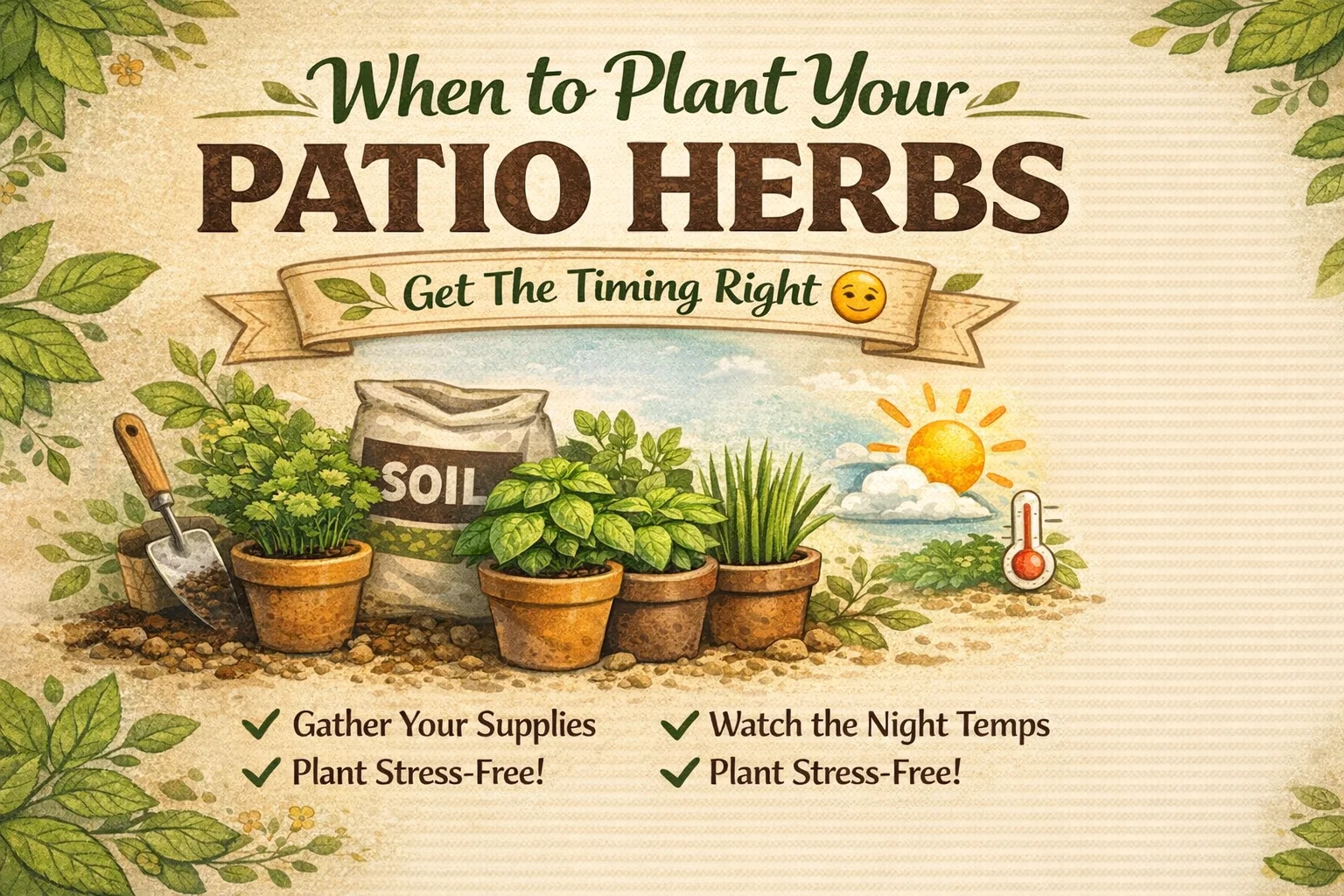
The secret to a successful patio herb garden in the Midwest lies in understanding the local climate cycle. The image we are looking at perfectly captures the transition from late winter planning to the high energy planting days of May. In Indiana, the last frost date is the ultimate authority. While the calendar might say it is spring in late March, the ground and the air often have other plans. By breaking your gardening tasks into specific phases, you can ensure your delicate herbs like basil, cilantro, and parsley do not suffer from cold shock.
Planning is often the most underrated part of gardening. During the early weeks of April, your focus should be on preparation rather than planting. This is the time to assess your space, clean your pots, and decide which herbs will best suit your culinary needs. Taking the time to plan now prevents frantic trips to the garden center later and helps you create a cohesive, manageable garden setup on your patio or balcony.
The Planning Stage: Late March to Mid April
Before you even touch a bag of soil, you need a vision. Mid April is the ideal time to gather your supplies. Start by inspecting your containers. If you are reusing pots from last year, give them a good scrub with a mild soap solution to remove any lingering pests or diseases. This simple step sets a healthy foundation for your new plants.
Choosing Your Herbs
When selecting herbs, think about what you actually use in your kitchen. Are you a fan of homemade pesto? Then basil is a must. Do you love refreshing summer cocktails? Make sure to grab some mint, but remember to plant it in its own pot so it does not take over your entire garden. Other popular choices for Indiana patios include:
- Rosemary: Hardy and loves the sun, perfect for roasted meats.
- Thyme: A low-growing herb that looks beautiful spilling over the edges of a pot.
- Chives: Extremely resilient and often the first to poke through the soil in spring.
- Cilantro: Loves the cooler weather of early spring but tends to bolt once the Indiana humidity hits in July.
Soil and Fertilizer Preparation
Quality soil is the lifeblood of your herbs. Since patio gardens rely on containers, you cannot just use dirt from your backyard. Yard soil is too heavy and does not drain well enough for pots. Instead, invest in a high quality potting mix specifically formulated for containers. These mixes often include perlite or vermiculite to help with aeration and moisture retention. Now is also the time to buy a balanced, organic fertilizer to give your herbs a boost once they are settled in their new homes.
Late April: The Early Planting Temptation
As we move into late April, the sun starts to feel warmer and the garden centers are overflowing with tempting green starts. It is very easy to get ahead of yourself during this window. This is what we call the Early Planting phase, and it comes with a high degree of risk. The golden rule for late April in Indiana is to watch the forecast like a hawk.
The 45 Degree Threshold
Most culinary herbs are tropical or Mediterranean in origin, meaning they do not handle cold well. While a light frost happens at thirty-two degrees, many herbs start to struggle when night temperatures drop below forty-five degrees. Cold nights can stunt the growth of young plants, making them less productive for the rest of the season. If you decide to plant in late April, you must be prepared to move your pots indoors or into a garage every single evening when the temperature is predicted to drop.
Monitoring Local Weather Patterns
Indiana weather is famous for its sudden shifts. A warm afternoon can quickly turn into a freezing night. If you are adventurous enough to start your patio garden in late April, keep a thermometer on your patio. This allows you to see the actual micro-climate of your space, which might be a few degrees warmer or cooler than what the weather app says. Being proactive during this window is the difference between a thriving garden and a collection of wilted, brown stems.
Early to Mid May: The Best Time to Plant
Once you hit the period between May 1st and Mother’s Day, you are usually in the clear. This is the sweet spot for Indiana gardeners. By early to mid May, the soil has warmed up, the threat of a hard freeze has diminished, and the days are getting significantly longer. This is the time to plant with total confidence.
The Benefits of Waiting
While it is hard to wait while your neighbors are already out in the dirt, waiting until May provides several benefits. First, the plants will grow much faster because the conditions are optimal. A basil plant started in warm May soil will often overtake one that was struggling through the cold nights of April. Second, you avoid the stress of moving heavy pots back and forth. Finally, your herbs will be naturally hardier and more resistant to pests that thrive on weakened, cold-stressed plants.
Acclimating Your Plants
Even if you wait until the perfect window in May, you should still practice “hardening off” if you bought your herbs from an indoor greenhouse. Spend a few days placing your plants outside for a few hours at a time, gradually increasing their exposure to direct sunlight and wind. This prevents transplant shock and ensures they are ready for the full intensity of the Indiana sun.
The Indiana Spring Motto: Trust But Verify
There is a classic saying in Indiana gardening circles: Trust the calendar, but verify the forecast. This motto is a reminder that while general guidelines are helpful, nature does not always follow a schedule. Just because it is May 5th does not mean a rogue frost cannot happen. Always keep a few old blankets or specialized frost cloths nearby just in case.
How to Protect Your Herbs from Surprise Frost
If a surprise frost is predicted after you have already planted your patio garden, do not panic. For small containers, simply bring them inside. For larger pots that are too heavy to move, cover them with a breathable fabric. Avoid using plastic directly touching the leaves, as this can actually trap the cold against the plant. A heavy towel or a dedicated garden frost blanket works wonders for trapping the earth’s heat and keeping your herbs safe until the sun comes up.
Maintaining Your Patio Herb Garden
Once your herbs are safely planted and the weather has stabilized, the focus shifts to maintenance. Patio gardens are unique because they dry out much faster than plants in the ground. During the height of an Indiana summer, you might need to water your pots every morning. Stick your finger an inch into the soil; if it feels dry, it is time to water.
Pruning for Productivity
To keep your herbs lush and prevent them from getting “leggy,” you need to harvest regularly. For herbs like basil and mint, pinching off the top sets of leaves encourages the plant to grow outward rather than just upward. This results in a bushier, more productive plant. Never harvest more than a third of the plant at once to ensure it has enough energy to continue growing.
Conclusion: Enjoying the Fruits of Your Labor
Cultivating a patio herb garden in Indiana is a rewarding journey that connects you to the rhythm of the seasons. By following the timeline of planning in April, exercising caution in late April, and planting boldly in May, you set yourself up for a summer filled with fresh flavors and beautiful greenery. There is nothing quite like stepping out onto your patio to snip a few sprigs of fresh rosemary for dinner or mint for a cold drink. Remember to stay patient, keep an eye on those night temperatures, and always trust but verify the Indiana weather. Your herbs will thank you with a bountiful harvest that lasts well into the autumn months. Happy gardening!