9 Edible Weeds In Your Backyard You Can Actually Eat
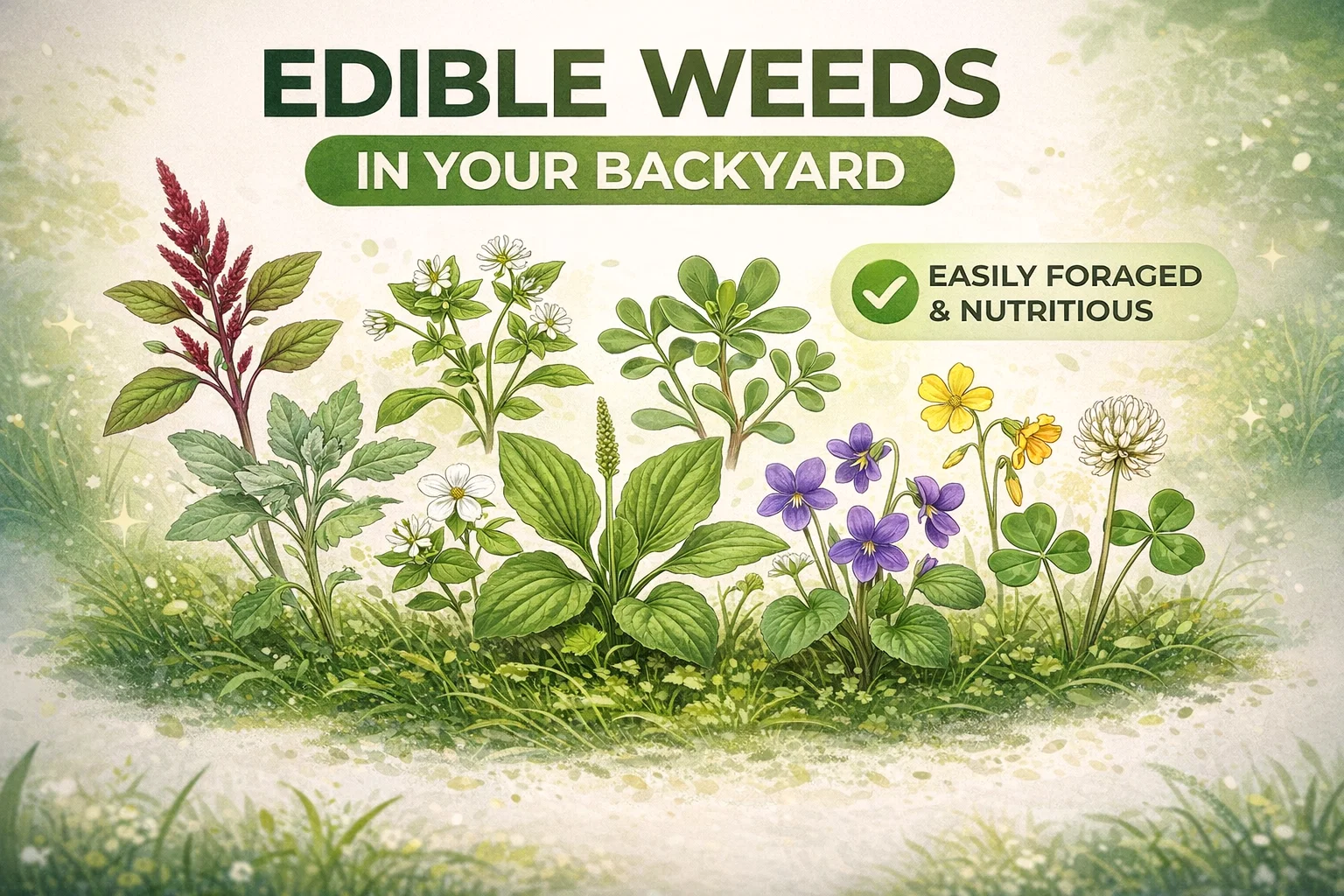
Imagine stepping out into your backyard and seeing more than just a chore that needs mowing. For many, a patch of green space is a battleground against what we have been taught to call weeds. However, a growing movement of gardeners, chefs, and health enthusiasts is looking at these uninvited guests with fresh eyes. What if those stubborn plants pushing through the cracks in your patio were actually nutrient-dense superfoods? The truth is that many of the most common backyard plants are not only edible but are often more flavorful and healthy than the greens you find at the local grocery store.
Foraging for edible weeds is an ancient practice that is making a massive comeback in the modern world. It connects us to the land, reduces our grocery bills, and introduces unique flavors into our kitchens. In this guide, we will dive deep into the world of backyard foraging, exploring how to identify common edible plants and how to safely incorporate them into your culinary routine. From the bright yellow faces of dandelions to the peppery bite of wild mustard, your lawn is about to become your new favorite aisle in the supermarket.
The Benefits of Eating Wild Greens
Before we identify the specific plants, it is important to understand why you would want to eat them in the first place. Wild plants have to be incredibly hardy to survive without human intervention. Because they have to fight for nutrients and withstand the elements, they often develop a much higher concentration of vitamins and minerals compared to pampered farm-raised crops. When you eat a wild dandelion or a handful of chickweed, you are consuming a plant that is at the peak of its nutritional power.
Unmatched Nutritional Density
Most common garden weeds are packed with Vitamin A, Vitamin C, and iron. For example, stinging nettle is famous for its high protein and mineral content, while purslane contains more omega-3 fatty acids than almost any other leafy green. By adding these to your salads, smoothies, or stir-fries, you are giving your body a natural boost that is hard to replicate with store-bought iceberg lettuce.
Environmental Sustainability
Foraging is perhaps the most sustainable way to eat. There are no plastic bags, no carbon footprint from transportation, and no pesticides required to make these plants grow. By harvesting weeds, you are also helping to manage your garden ecosystem naturally. Instead of using chemical weed killers that can harm local bees and butterflies, you are simply harvesting a crop that planted itself. It is a win-win for you and the planet.
Top Edible Weeds You Can Find Right Now
Identification is the most critical step in your foraging journey. While many weeds are delicious, you must be one hundred percent certain of what you are picking before you consume it. Here are some of the most common and easily recognizable edible plants found in backyards across the globe.
The Iconic Dandelion
The dandelion is the king of edible weeds. Every part of this plant is useful. The young leaves are excellent in salads, offering a slightly bitter profile similar to arugula. The yellow petals can be baked into bread or used to make dandelion wine. Even the roots can be roasted and ground into a caffeine-free coffee alternative. They are rich in antioxidants and have been used in traditional medicine for centuries to support liver health.
Common Purslane
Often found creeping along the ground in sunny spots, purslane has thick, succulent leaves and reddish stems. It has a slightly sour and salty taste that works wonderfully in Mediterranean dishes. Because of its juicy texture, it adds a refreshing crunch to summer tacos or Greek salads. It is also one of the best plant-based sources of alpha-linolenic acid, an essential omega-3 fatty acid.
Chickweed: The Delicate Green
Chickweed grows in lush, tangled mats and thrives in cool, moist soil. It has a very mild, corn-like flavor that even picky eaters usually enjoy. Unlike some of the more bitter wild greens, chickweed is tender and sweet. It is best used raw in pesto or as a garnish for soups. High in Vitamin C and potassium, it is a gentle way to start your wild food journey.
How to Forage Safely and Responsibly
While the prospect of free food is exciting, safety should always be your top priority. Foraging requires a mindful approach and a bit of detective work to ensure that the plants you harvest are healthy for you to eat.
The Rule of Absolute Certainty
Never eat a plant unless you can identify it with total confidence. Use multiple sources, such as field guides and reputable apps, to cross-reference the plant’s features. Look at the leaf shape, the stem structure, and the flower type. If you have even a tiny bit of doubt, leave the plant alone. Some wild plants have toxic look-alikes, so taking the time to learn the differences is essential.
Avoid Contaminated Areas
The location of your harvest matters just as much as the plant itself. Avoid picking weeds that grow near busy roads, as they can absorb heavy metals from car exhaust. Most importantly, never harvest from a lawn that has been treated with chemical fertilizers, herbicides, or pesticides. If you are foraging in a public park, check with the local council to see if they spray the area. Your own backyard is often the safest place to start because you know exactly what has been put on the soil.
Culinary Inspiration: Cooking with Your Harvest
Once you have gathered your greens and washed them thoroughly, it is time to get creative in the kitchen. Wild greens can be used in almost any recipe that calls for spinach, kale, or herbs.
- Wild Green Pesto: Swap basil for a mix of chickweed, dandelion leaves, and garlic mustard. Blend with olive oil, nuts, and parmesan for a vibrant, earthy spread.
- Sautéed Backyard Medley: Lightly sauté tougher greens like mallow or wild mustard in olive oil with a bit of garlic and lemon juice. This softens the fibers and mellows out any intense flavors.
- Foraged Floral Garnish: Use the petals of violets or dandelions to add a pop of color to your salads. It makes any meal look like it came from a high-end farm-to-table restaurant.
Managing Flavor Profiles
Many wild greens have a stronger, more complex flavor than domesticated vegetables. If you find a plant too bitter, try blanching it in boiling water for a minute before cooking. You can also balance bitterness with fat, such as avocado or bacon, or acidity, like apple cider vinegar. Mixing wild greens with regular lettuce is a great way to let your palate adjust to these new, bold tastes.
The Ethics of Foraging
Even though weeds are abundant, we should still practice ethical harvesting. This ensures that the plants continue to grow and provide food for local wildlife. A good rule of thumb is to never take more than twenty percent of a patch. This leaves enough for the plant to go to seed and enough for the insects and birds that rely on these species for survival.
Be respectful of the land. Avoid trampling sensitive areas and always leave the spot looking as though you were never there. Foraging is about building a relationship with nature, and that relationship should be based on respect and gratitude.
Why This Matters Today
In an era of rising food prices and concerns about food security, knowing how to identify edible plants in your immediate environment is an invaluable skill. It provides a sense of self-reliance and connects us to the seasonal cycles of our local climate. Beyond the practical benefits, there is a deep psychological reward in foraging. It forces us to slow down, look closely at the world, and appreciate the incredible abundance that nature provides for free.
Every time you step outside and recognize a plant, your backyard becomes a more interesting place. You stop seeing a lawn and start seeing a complex, living tapestry of food and medicine. This shift in perspective is the first step toward a more sustainable and adventurous lifestyle.
Conclusion: Start Your Backyard Adventure
Transforming your backyard from a landscape of “weeds” into a thriving edible garden is one of the most rewarding projects you can undertake. It requires nothing more than a curious mind, a good field guide, and a little bit of time. By embracing the wild plants that grow naturally around us, we can improve our health, reduce our environmental impact, and rediscover the joy of eating truly fresh food.
Next time you see a dandelion or a patch of chickweed, don’t reach for the mower. Instead, reach for a harvest basket. Start small, stay safe, and enjoy the delicious surprises that are waiting for you just outside your back door. Your journey into the world of backyard foraging starts today. Happy harvesting!