Natural Herbal Remedies Guide 14 Traditional Plants and Herbs for Holistic Healing
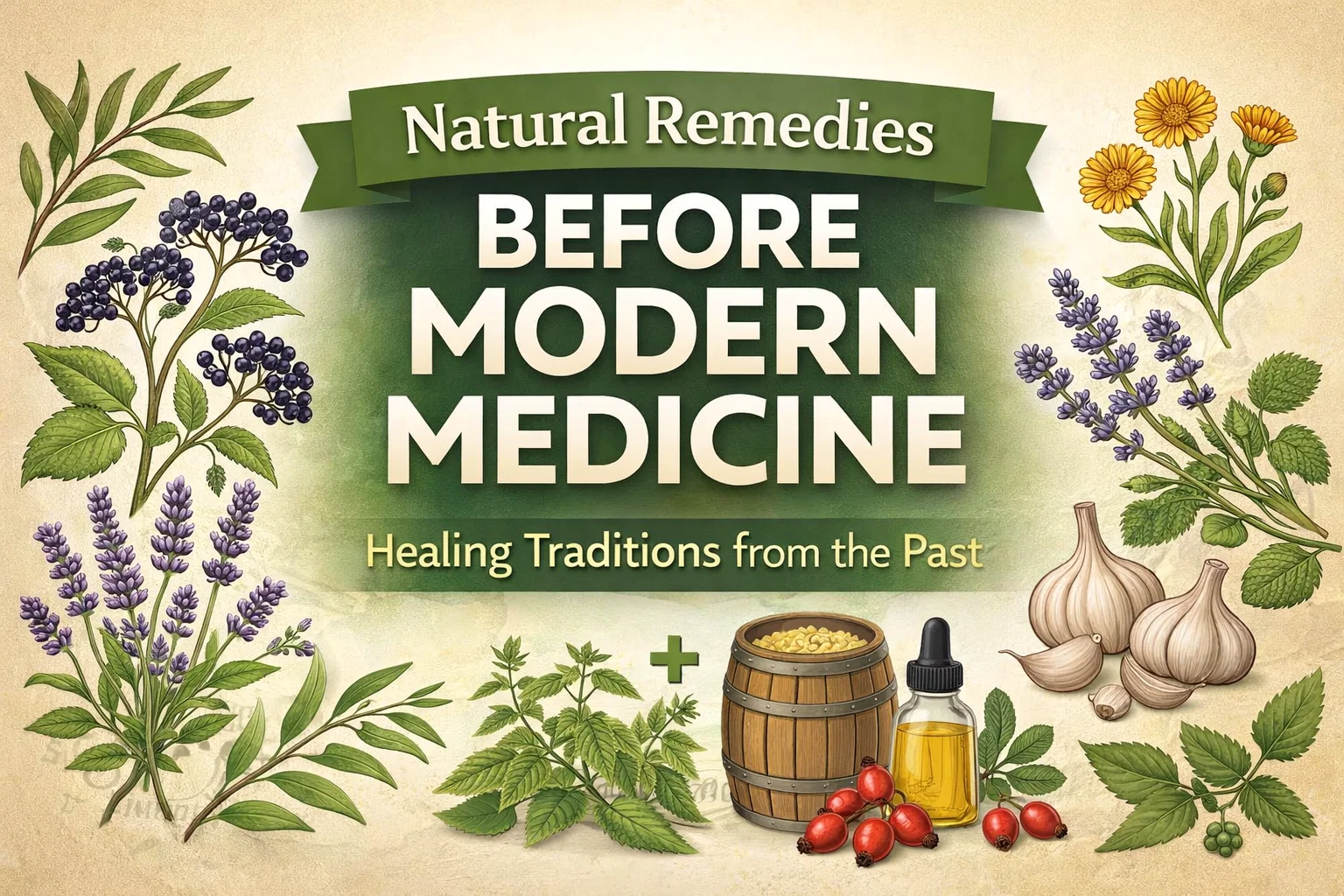
In an age dominated by synthetic compounds and quick fix pills, there is a growing movement returning to the very roots of human health. The image of a vintage style apothecary chart serves as a powerful reminder that long before the existence of modern pharmacies, the natural world provided a sophisticated medicine cabinet. This return to herbal wisdom is not just about nostalgia; it is about reclaiming a holistic connection to the environment and understanding how plants can support our bodies in a gentle, sustainable way. From the soothing properties of lavender to the immune boosting power of elderberry, traditional remedies offer a wealth of benefits that have stood the test of time.
The Foundations of Natural Healing
For thousands of years, humans relied exclusively on the botanical world to treat ailments ranging from simple headaches to complex infections. This tradition, often referred to as herbalism or botanical medicine, involves using a plant’s seeds, berries, roots, leaves, bark, or flowers for medicinal purposes. The shift toward modern medicine occurred relatively recently in human history. While we should always appreciate the lifesaving capabilities of modern science, many of the drugs we use today actually have their origins in these very plants. For instance, the common aspirin found in every household has its chemical ancestor in the bark of the willow tree.
Exploring these natural alternatives allows us to address health from a preventative standpoint. Instead of waiting for a symptom to become unbearable, herbal traditions focus on nourishing the body and maintaining balance. This proactive approach to wellness is why many people are now integrating ancient remedies back into their daily routines, creating a hybrid model of health that respects both tradition and science.
Pain Management and Inflammation: The Original Aspirin
Willow Bark and Salicin
As highlighted in the apothecary guide, willow bark was the precursor to aspirin. It contains a compound called salicin, which the body converts into salicylic acid. Unlike synthetic aspirin, which can sometimes irritate the stomach lining, willow bark provides a more complex array of flavonoids and plant compounds that may offer a more balanced experience for the digestive system. It has been used for centuries to ease lower back pain, joint stiffness, and minor headaches.
Arnica for External Relief
When it comes to physical trauma like bruising or muscle soreness, arnica is a standout herb. Traditionally applied as a balm or ointment, arnica works to reduce swelling and improve circulation to the affected area. It is a favorite among athletes and those with active lifestyles who prefer not to rely on oral painkillers for every minor bump or strain. Its ability to soothe inflammation makes it a staple in any natural first aid kit.
Boosting the Immune System Naturally
The Power of Elderberry
Elderberry has gained massive popularity in recent years, especially during the winter months. Used traditionally to calm coughs and soothe the throat, modern studies suggest that elderberries are packed with antioxidants and vitamins that may help prevent and ease cold and flu symptoms. By supporting the immune system’s response, elderberry acts as a natural shield, helping the body recover faster from seasonal illnesses.
Garlic: The Kitchen Antibiotic
Garlic is much more than a culinary staple. It is one of the most potent antimicrobial plants available to us. Before the discovery of modern antibiotics, garlic was used to fight infections and boost overall immunity. It contains allicin, a compound that has been shown to have antibacterial and antiviral properties. Incorporating raw or lightly cooked garlic into your diet is a simple yet effective way to fortify your body against harmful microbes.
Nettle Leaf for Blood Health
Nettle leaf is often overlooked because of its stinging nature in the wild, but when dried or steeped as a tea, it becomes a mineral powerhouse. It is exceptionally rich in plant based iron and other essential minerals. For those looking to boost their red blood cell count or combat fatigue, nettle leaf provides a natural, easily absorbable form of iron that does not cause the constipation often associated with synthetic iron pills.
Respiratory Health and Clearing the Airways
Eucalyptus and the Power of Vapors
The scent of eucalyptus is synonymous with clear breathing. Its natural vapors are incredibly effective at opening the lungs and clearing out stubborn congestion. Whether used in a steam inhalation or as a topical rub, eucalyptus essential oils work to break up mucus and provide immediate relief for those struggling with seasonal allergies or chest colds. It serves as the natural foundation for many of the vapor rubs found in pharmacies today.
Wild Cherry Bark for Dry Coughs
While eucalyptus is great for congestion, wild cherry bark is the traditional remedy for a dry, hacking cough. It has sedative properties that help to calm the respiratory nerves, making it easier to rest when an irritated airway is keeping you awake. This bark has been a key ingredient in traditional syrups for generations, providing a gentle alternative to chemical cough suppressants.
Mental Wellness and Restful Sleep
Lavender and the Nervous System
In our fast paced modern world, stress and insomnia are rampant. Lavender is perhaps the most famous herb for relaxation, and for good reason. Its aromatic compounds have a direct effect on the central nervous system, helping to lower heart rate and reduce cortisol levels. Utilizing lavender in a tea, a bath, or as a pillow spray can significantly improve the quality of deep, restful sleep without the grogginess associated with pharmaceutical sleep aids.
Thyme: More Than Just a Spice
Thyme is a potent disinfectant. While we often think of it in the kitchen, its essential oils contain thymol, which is highly effective at killing harmful microbes. Historically, thyme was used to purify the air and treat respiratory infections. Its cleansing properties make it an excellent addition to natural home cleaning products and a supportive herb for overall respiratory hygiene.
Digestive Health and the Microbiome
Sauerkraut and Probiotics
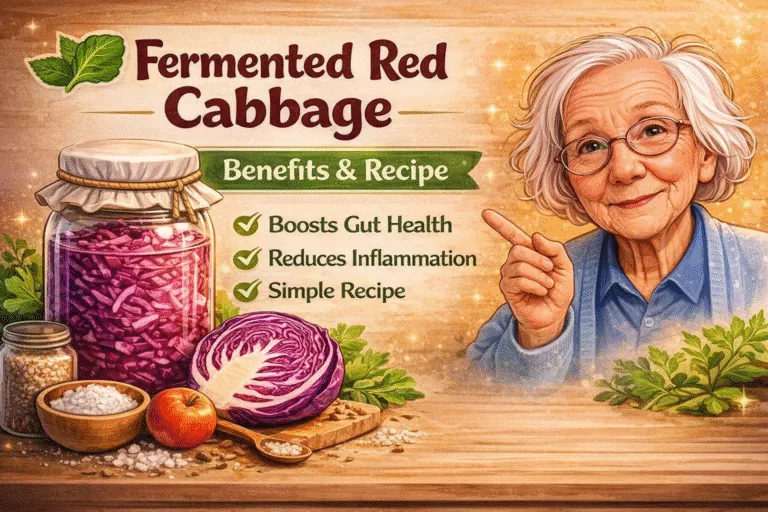
The health of the gut is often called the second brain. Long before probiotic capsules were manufactured in labs, people maintained their gut health through fermented foods like sauerkraut. This fermented cabbage is teeming with living cultures that populate the gut with beneficial bacteria. A healthy microbiome is essential not just for digestion, but also for immune function and mental clarity. Incorporating traditional fermented foods is a delicious way to support your internal ecosystem.
Clove for Oral Care
Cloves are incredible for dental health. Clove oil contains eugenol, which acts as a natural anesthetic and antibacterial agent. Before the invention of modern toothache gels, a whole clove or a drop of clove oil was the standard treatment for numbing gum pain and fighting bacteria in the mouth. It remains one of the most effective natural ways to manage dental discomfort until a professional can be consulted.
Skincare and Wound Healing
Calendula for Sensitive Skin
Calendula, or pot marigold, is the ultimate skin smoother. Before the advent of complex eczema creams, calendula salves were used to treat inflamed, irritated, or cracked skin. Its gentle anti inflammatory properties make it safe for almost all skin types, including babies. It helps to speed up the healing process and provides a protective barrier for the skin.
Plantain Leaf: The Natural Band Aid
Not to be confused with the banana like fruit, the plantain weed found in many backyards is a medicinal treasure. Plantain leaf has been used for centuries to draw out toxins from insect stings and help wounds close. It is often called the green bandage because of its ability to soothe the skin and promote rapid tissue repair. It is a perfect example of a powerful medicine that grows right under our feet.
Rosehip Oil for Radiance
Rosehip oil is a modern beauty favorite with ancient roots. It is packed with vitamins and essential fatty acids that help to brighten the skin, fade marks, and speed up skin repair. It is a natural alternative to synthetic scar creams and expensive anti aging serums, providing a glowing complexion through pure plant nutrition.
Integrating Herbal Wisdom into Modern Life
Adopting a more natural approach to health does not mean you have to abandon modern convenience. Instead, it is about building a bridge between the two. You can start by replacing one or two synthetic products with their natural counterparts. For example, try a lavender tea instead of a sleep pill, or use a calendula balm for dry skin instead of a petroleum based lotion. By slowly integrating these 14 traditional remedies, you become more in tune with your body and the natural cycles of health.
It is important to remember that herbs are powerful. Just because something is natural does not mean it cannot have side effects or interact with medications. Always do your research and consult with a healthcare professional or a qualified herbalist when making significant changes to your wellness routine. The goal is to empower yourself with knowledge and use the tools nature has provided to live a more vibrant, balanced life.
Conclusion: A Path Back to Nature
The vintage apothecary chart is a map to a simpler, more connected way of living. It reminds us that for every common ailment, there is often a botanical solution waiting to be discovered. Whether you are looking to boost your immunity, soothe your skin, or find a sense of calm, the world of herbs offers a diverse and effective medicine cabinet. By honoring the traditions of the past and combining them with the awareness of the present, we can create a sustainable path toward holistic wellness. Nature was our first pharmacy, and its doors are still open for those willing to look closer at the leaves, bark, and flowers that surround us every day.