14 Natural Herbal Remedies Their Modern Uses Traditional Medicine Guide
Long before the convenience of modern pharmacies and the widespread availability of synthetic pills, humanity turned to the earth for healing. For thousands of years, our ancestors observed the natural world, identifying specific plants, roots, and barks that could soothe a cough, dull a sharp pain, or help a wound close. This ancient wisdom forms the very foundation of modern medicine, yet many of us have lost touch with these powerful botanical allies. Understanding the history of these remedies is not just a lesson in the past; it is a way to reclaim a sense of self-reliance and wellness in our daily lives.
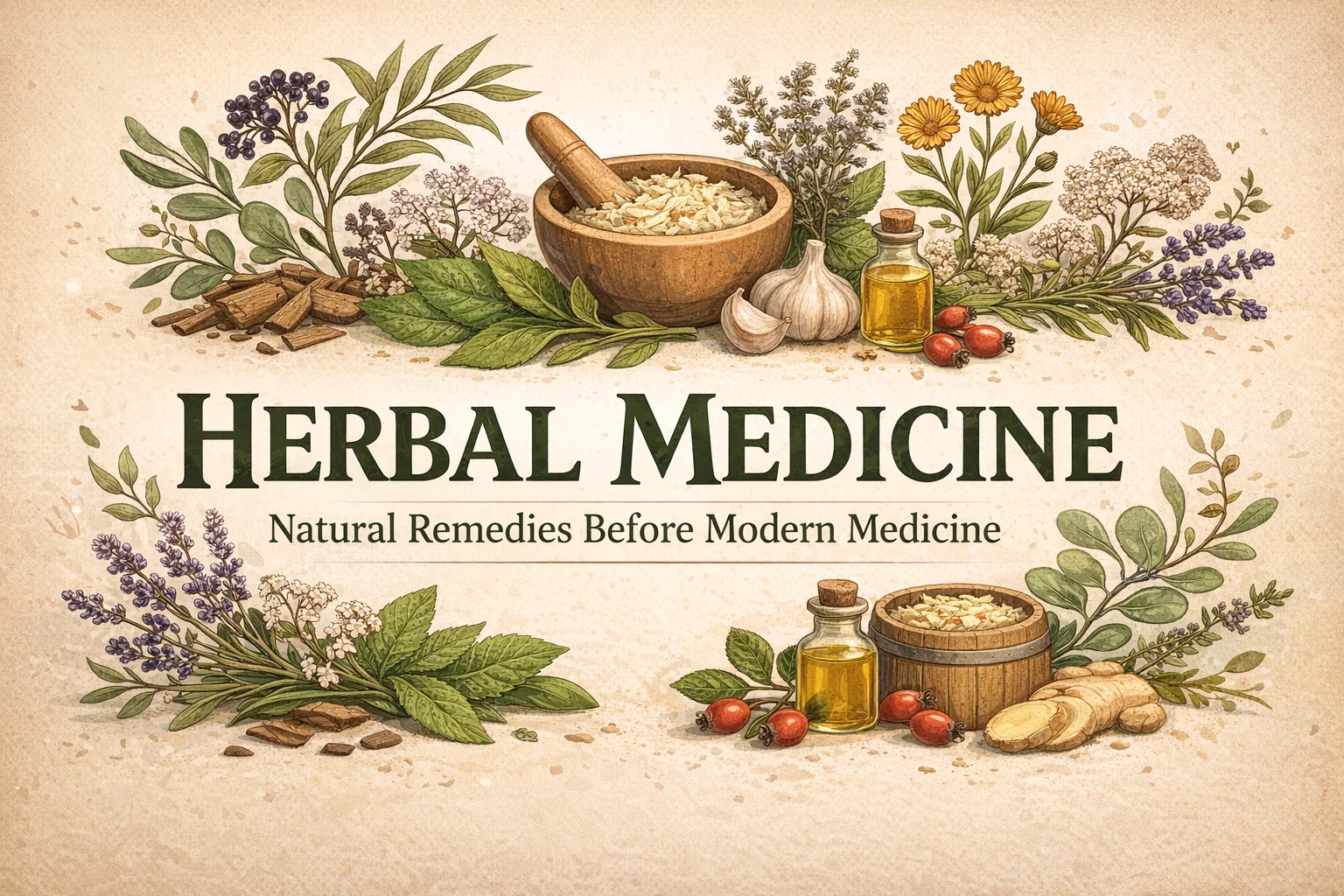
In the image we are exploring today, we see a beautiful collection of fourteen traditional remedies that served as the primary healthcare system for generations. These are the precursors to the bottles in your medicine cabinet. From the anti-inflammatory power of Willow Bark to the skin-healing properties of Calendula, each of these elements tells a story of survival and discovery. Let’s dive deep into these natural wonders and see how they continue to offer value in our modern world.
The Foundations of Natural Pain Relief and Inflammation
One of the most profound examples of nature providing a blueprint for modern medicine is Willow Bark. Known as the original aspirin, Willow Bark contains salicin, a compound that the body converts into salicylic acid. For centuries, people chewed on the bark or brewed it into a tea to ease headaches and lower fevers. It works by inhibiting the production of certain prostaglandins, much like its synthetic descendant. While aspirin is faster-acting, many herbalists still prefer the whole-bark extract because it contains additional flavonoids that may be gentler on the stomach lining.
Moving from internal pain to external discomfort, Arnica has long been the gold standard for physical trauma to the body. Before we had modern cooling gels and intensive pain balms, Arnica flowers were infused into oils and salves. When applied topically, Arnica stimulates blood circulation to the affected area, which helps the body reabsorb fluid and blood trapped under the skin. This makes it an incredible remedy for reducing swelling, fading bruises, and easing the soreness that follows a heavy day of physical labor or exercise.
The Soothing Power of Calendula and Rosehip Oil
Skin health is another area where traditional remedies shine. Calendula, often called Pot Marigold, was the go-to treatment for skin irritation long before the invention of hydrocortisone or eczema creams. Its bright orange petals are packed with antioxidants and anti-inflammatory compounds that soothe red, cracked, or itchy skin. It is exceptionally gentle, making it a favorite for sensitive skin and even for soothing minor burns or insect bites.
When it comes to skin repair and longevity, Rosehip Oil is a true powerhouse. Before the era of expensive retinol creams and scar-fading serums, Rosehip Oil was used to brighten the complexion and speed up the healing of skin tissue. It is naturally rich in vitamins A and C, which are essential for collagen production. By supporting the skin’s natural regeneration process, it helps fade marks and maintains a youthful glow without the need for harsh chemicals.
Natural Solutions for Respiratory Health and Immunity
When the seasons change and the air grows cold, the tradition of using Elderberry comes to the forefront. Before the advent of over the counter cough syrups, Elderberry was the primary defense against the winter chill. These dark purple berries are loaded with anthocyanins, which are potent antioxidants that support the immune system’s response to viral invaders. Modern studies have even suggested that Elderberry can shorten the duration of the common cold, proving that our ancestors were definitely onto something.
For those struggling with congestion and blocked airways, Eucalyptus has always been a literal breath of fresh air. Before modern vapor rubs existed, the leaves of the Eucalyptus tree were used in steam inhalations. The natural vapors contain eucalyptol, a compound that helps break up mucus and clear the lungs. It provides an immediate sensation of opening the airways, making it easier to breathe during a bout of bronchitis or a heavy chest cold.
The Protective Qualities of Thyme and Wild Cherry Bark
While we often think of Thyme as just a culinary herb, its history as a disinfectant is legendary. Thyme contains thymol, a powerful essential oil with antimicrobial and antifungal properties. Before the invention of modern liquid disinfectants, Thyme was used to clean wounds and purify spaces. Even today, thymol is a key ingredient in many natural mouthwashes and hand sanitizers because of its ability to neutralize harmful microbes effectively.
When a dry, hacking cough becomes unbearable, Wild Cherry Bark has traditionally been the remedy of choice. It acts as an expectorant and a mild sedative for the respiratory system. Before the rise of synthetic cough suppressants, a syrup made from this bark would be used to calm irritated airways and allow the sufferer to rest. It is particularly effective for those lingering coughs that prevent sleep, providing a natural way to settle the chest.
Internal Health: Gut Support and Blood Vitality
Modern science is finally catching up to the importance of the microbiome, but our ancestors were already supporting their gut health through fermentation. Sauerkraut is perhaps the most famous example. Before the concept of probiotic supplements in a capsule, fermented cabbage was a dietary staple. It is naturally full of living cultures that balance the gut flora, improve digestion, and even boost the immune system. Because a large portion of the immune system resides in the gut, eating Sauerkraut was a simple way to stay healthy year-round.
Blood health was often managed through the use of Nettle Leaf. While many avoid the stinging nettle in the wild, its leaves are a nutritional goldmine. Before iron pills were a standard treatment for anemia, Nettle Leaf tea was used to boost red blood cells. It is incredibly rich in plant-based iron, magnesium, and calcium. Beyond its mineral content, Nettle also acts as a gentle diuretic, helping the body flush out metabolic waste while providing the building blocks for healthy blood.
The Power of Garlic and Clove
No discussion of natural medicine is complete without Garlic. Often referred to as “Nature’s Antibiotic,” Garlic has been used for millennia to fight infections. It contains allicin, a compound that is released when the clove is crushed or chopped. Garlic is a potent antimicrobial that doesn’t just fight bacteria; it also has antifungal and antiviral properties. Before we had modern antibiotics, Garlic was a primary tool for keeping the body’s defenses strong and fighting off everything from the common cold to more serious infections.
For localized pain, specifically in the mouth, Clove was the ultimate solution. Before the development of modern dental numbing gels, Clove oil was the standard treatment for toothaches. Clove contains eugenol, which acts as a natural anesthetic and antiseptic. Applying a small amount of Clove oil to an aching tooth or inflamed gums can provide almost instant relief by numbing the nerve and killing the bacteria causing the irritation.
Mental Wellness and First Aid from the Garden
Health isn’t just about the physical body; it’s also about the state of the mind. Lavender has been the premier remedy for the nervous system for centuries. Before the world of pharmaceutical sleep aids and anti-anxiety medications, Lavender was used to calm the spirit. Its scent alone can lower heart rates and reduce cortisol levels. Whether used in a bath, as a tea, or in a pillow sachet, Lavender promotes the kind of deep, restful sleep that is essential for the body to repair itself.
Finally, we look at the humble Plantain Leaf, often dismissed as a common weed in the lawn. However, before the invention of the adhesive bandage, Plantain was the ultimate first aid plant. If you were stung by a bee or scraped your knee, you would find a Plantain leaf, chew it slightly to release its juices, and apply it as a poultice. Plantain is famous for its ability to draw out toxins, soothe stings, and help wounds close quickly. It is a perfect example of how the most valuable medicines are often right beneath our feet.
Conclusion: Integrating Ancient Wisdom into Modern Life
Looking back at these fourteen remedies reminds us that medicine did not begin in a laboratory. It began in the forest, the meadow, and the kitchen garden. While we are fortunate to live in a time where modern medicine can perform miracles, there is a profound beauty and utility in rediscovering these traditional methods. By incorporating things like Lavender for sleep, Elderberry for immunity, or Sauerkraut for gut health, we can create a more holistic approach to our well-being.
The goal is not necessarily to replace modern medicine, but to complement it with the time-tested wisdom of the earth. These plants offer us a way to manage minor ailments gently and effectively, often with fewer side effects than their synthetic counterparts. As we move forward into an increasingly fast-paced and high-tech world, perhaps the best way to care for ourselves is to take a step back and remember the healing power that has always been available to us. Whether you start by planting a herb garden or simply keeping a bottle of Rosehip oil on your vanity, you are participating in a healing tradition that spans the history of humanity.