DIY Hyssop Infused Honey Recipe Natural Herbal Remedy for Sore Throats Coughs
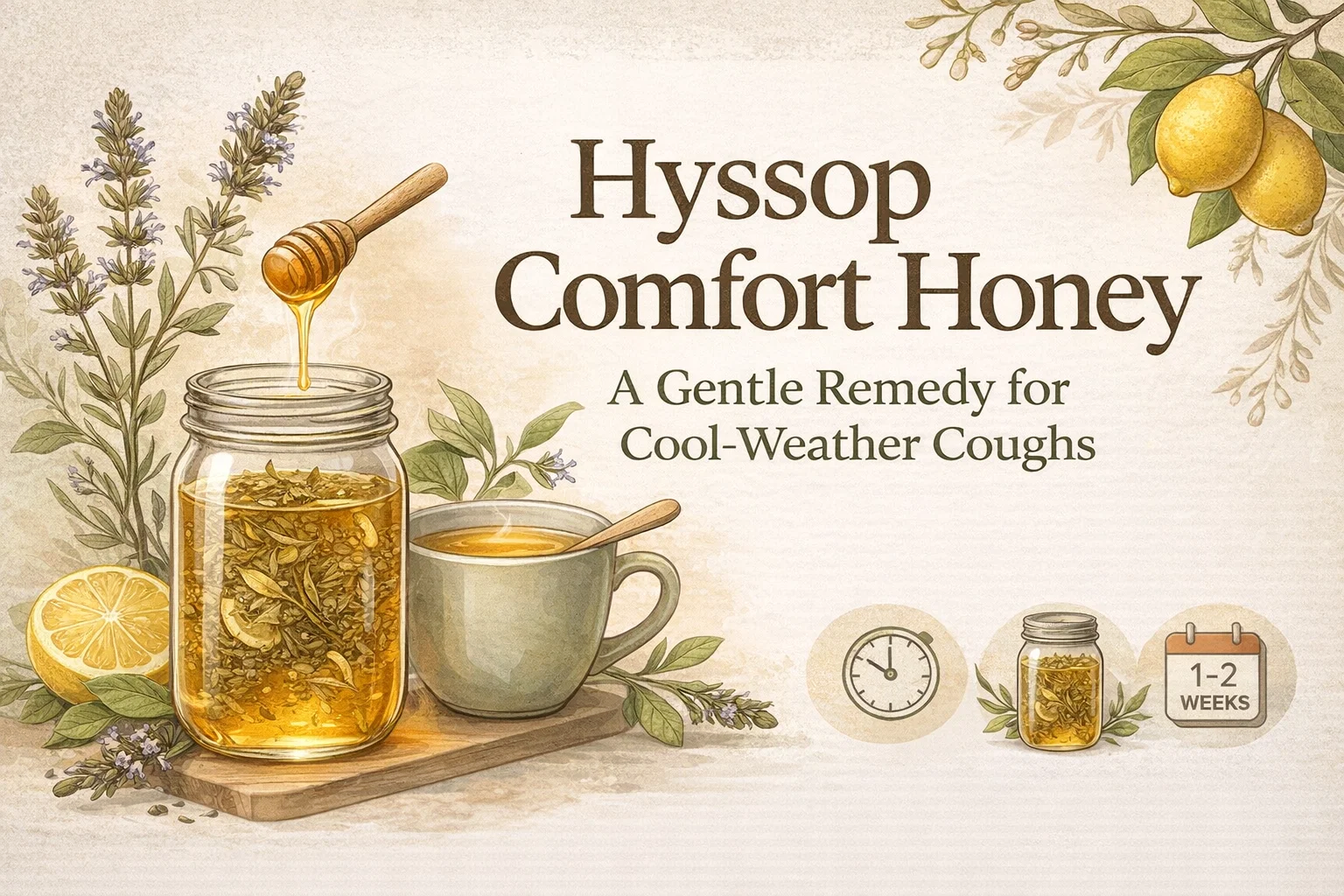
Embracing the rhythms of nature often means looking toward our gardens and pantries when the seasons begin to shift. As the air turns crisp and the first signs of cool-weather coughs appear, there is a profound comfort in reaching for a remedy that is as gentle as it is effective. Hyssop Comfort Honey is more than just a sweetener for your tea; it is a storied botanical infusion that brings together the respiratory support of ancient herbs with the liquid gold of raw honey. Creating this infusion is a slow, meditative process that honors the tradition of kitchen medicine, allowing you to bottle the essence of summer blooms for the moments you need them most in winter.
The Magic of Hyssop: An Ancient Herb for Modern Wellness
Hyssop, known botanically as Hyssopus officinalis, has been a staple in apothecary gardens for centuries. It belongs to the mint family and is easily recognized by its vibrant purple spikes and woody aroma. While many gardeners love it for its ability to attract pollinators, herbalists value it for its specific affinity for the respiratory system. It acts as an expectorant, helping to break up congestion and soothe the irritation that leads to persistent, dry coughs.
When you combine hyssop with the citrusy brightness of lemon peel, you are adding a boost of Vitamin C and essential oils that help clear the senses. The synergy between these ingredients creates a powerhouse of comfort. Unlike over-the-counter syrups that can feel harsh or artificial, this homemade infusion relies on the slow extraction of plant properties into honey, ensuring that every spoonful is packed with the raw, unfiltered benefits of nature.
Gathering Your Garden Essentials
To begin your journey into herbal infusions, you will need a few simple but high-quality ingredients. The quality of your raw materials directly impacts the potency and flavor of the finished honey. Here is what you should have on your counter before you start:
- Dried Hyssop: Use about 1/4 cup of dried leaves and flowers. If you are harvesting from your own garden, ensure the herbs are completely dry to prevent mold growth in the honey.
- Organic Lemon Peel: You will need 1 to 2 tablespoons of dried or freshly zested peel. Using organic lemons is vital here to avoid adding pesticides to your remedy.
- Raw Honey: One cup of raw, local honey is the best choice. Raw honey contains enzymes and propolis that are often lost during the pasteurization process found in commercial brands.
- A Clean Glass Jar: An 8-ounce or 12-ounce mason jar works perfectly for this recipe.
Why Raw Honey Matters
The choice of honey is the foundation of this recipe. Raw honey is naturally antibacterial and antifungal. It coats the throat, providing immediate relief from the friction of coughing. When you use local honey, you are also consuming small amounts of local pollen, which some believe can help the body adapt to local environmental stressors. The honey acts as a solvent, pulling the volatile oils and medicinal compounds out of the hyssop and lemon over time.
The Slow Infusion Process: A Lesson in Patience
Making herbal honey is not a task for those in a rush. It is a practice of “slow living” that requires time for the alchemy to happen. Once you have combined your dried hyssop and lemon peel in the jar, pour the honey slowly over the top. You may notice that the herbs want to float to the surface. Use a clean spoon or a chopstick to stir the mixture, ensuring every leaf and bit of peel is fully submerged and coated in honey.
Seal the jar tightly and place it in a dark, cool cupboard. This is where the magic happens. Over the next 1 to 2 weeks, the honey will begin to change. It will take on the herbaceous, slightly camphor-like scent of the hyssop and the bright notes of the lemon. This period of sitting allows the honey to absorb the phytochemicals from the plant material without the need for high heat, which would destroy the beneficial enzymes in the raw honey.
Daily Connection: Tending to Your Remedy
Even though the jar is sitting in a cupboard, your role isn’t quite finished. To ensure a consistent and potent infusion, it is helpful to engage in a “daily connection” with your jar. Once a day, take the jar out and give it a gentle roll or turn it upside down and back again. This movement helps redistribute the herbs and ensures that the honey is constantly moving through the plant material. It is a small, mindful moment in your day that connects you to the healing process taking place inside the glass.
How to Enjoy Your Hyssop Comfort Honey
Once your two weeks are up, you can choose to strain the herbs out using a fine-mesh sieve or leave them in the jar for a more rustic feel. When that scratchy sensation hits the back of your throat, or a nagging cough keeps you from resting, your remedy is ready. There are several ways to incorporate this into your wellness routine:
Stirred into Warm Tea
The most popular way to use hyssop honey is by stirring one teaspoon into a warm cup of herbal tea. Peppermint, thyme, or chamomile teas are excellent companions for this honey. Be careful not to use boiling water, as extreme heat can diminish the healing properties of the raw honey and the hyssop. Let your tea cool slightly before adding your medicinal sweetener.
Straight from the Spoon
For immediate relief from a dry, tickling throat, take a teaspoon of the honey directly. Allow it to sit in your mouth for a moment before swallowing so it can coat the sensitive tissues of the throat. This is particularly helpful right before bed to help calm a cough for a better night of sleep.
Storage and Maintaining Potency
Your Hyssop Comfort Honey is a shelf-stable product, but it does have its preferences for storage. To keep the flavors vibrant and the medicinal qualities intact, store the jar in a cool, dark place like a pantry or a kitchen cabinet away from the stove. When stored correctly, the honey is best used within 6 to 12 months. Over time, the honey may begin to crystallize, which is a natural process for raw honey. If this happens, you can gently warm the jar in a bowl of warm water to return it to a liquid state.
Safety First: Important Considerations
While herbal remedies are a wonderful way to support health, safety is always the priority. There are two critical rules to remember with this specific infusion:
- Infant Safety: Never give honey of any kind to infants under the age of one year. This is due to the risk of botulism, which their developing digestive systems cannot handle.
- Pregnancy Concerns: Hyssop is a potent herb that can stimulate the uterus. For this reason, it is strongly advised that pregnant women avoid using hyssop in any form, including infused honey. Always consult with a healthcare professional or a certified herbalist if you have underlying health conditions or are taking medications.
The Beauty of Grow, Gather, Heal
The journey of making Hyssop Comfort Honey is a beautiful cycle of growing your own ingredients, gathering them at their peak, and using them to heal your family. It encourages a deeper relationship with the plants that share our space. When you label your jar, perhaps with a handwritten note or a decorative ribbon, you are putting your own energy into the remedy. We encourage you to share your process with others. Documenting your herbal journey helps inspire a community of people looking to return to simpler, more natural ways of caring for themselves.
Conclusion: A Staple for Your Natural Medicine Cabinet
In a world that often looks for the fastest solution, taking the time to craft a Hyssop Comfort Honey is a radical act of self-care. It reminds us that nature provides us with the tools we need to navigate the seasons, provided we have the patience to prepare them. This honey is more than just a remedy; it is a delicious, aromatic, and soothing companion for the colder months. Whether you are a seasoned herbalist or just beginning to explore the world of botanical infusions, this recipe is a perfect entry point. Keep a jar tucked away in your cupboard, and the next time the wind turns cold, you will be ready with a gentle remedy that truly tastes like home.