Best Late Night Snacks for Better Sleep Healthy Foods to Eat After 9 PM
We have all been there. It is past 9 PM, the house is quiet, and suddenly your stomach starts to rumble. You know you should probably just go to bed, but the craving for a little something extra is hard to ignore. For years, conventional diet advice told us that eating late at night was the ultimate cardinal sin of health and weight management. However, modern nutritional science is beginning to paint a much more nuanced picture. It turns out that going to bed hungry can actually disrupt your sleep just as much as eating a heavy, greasy meal.
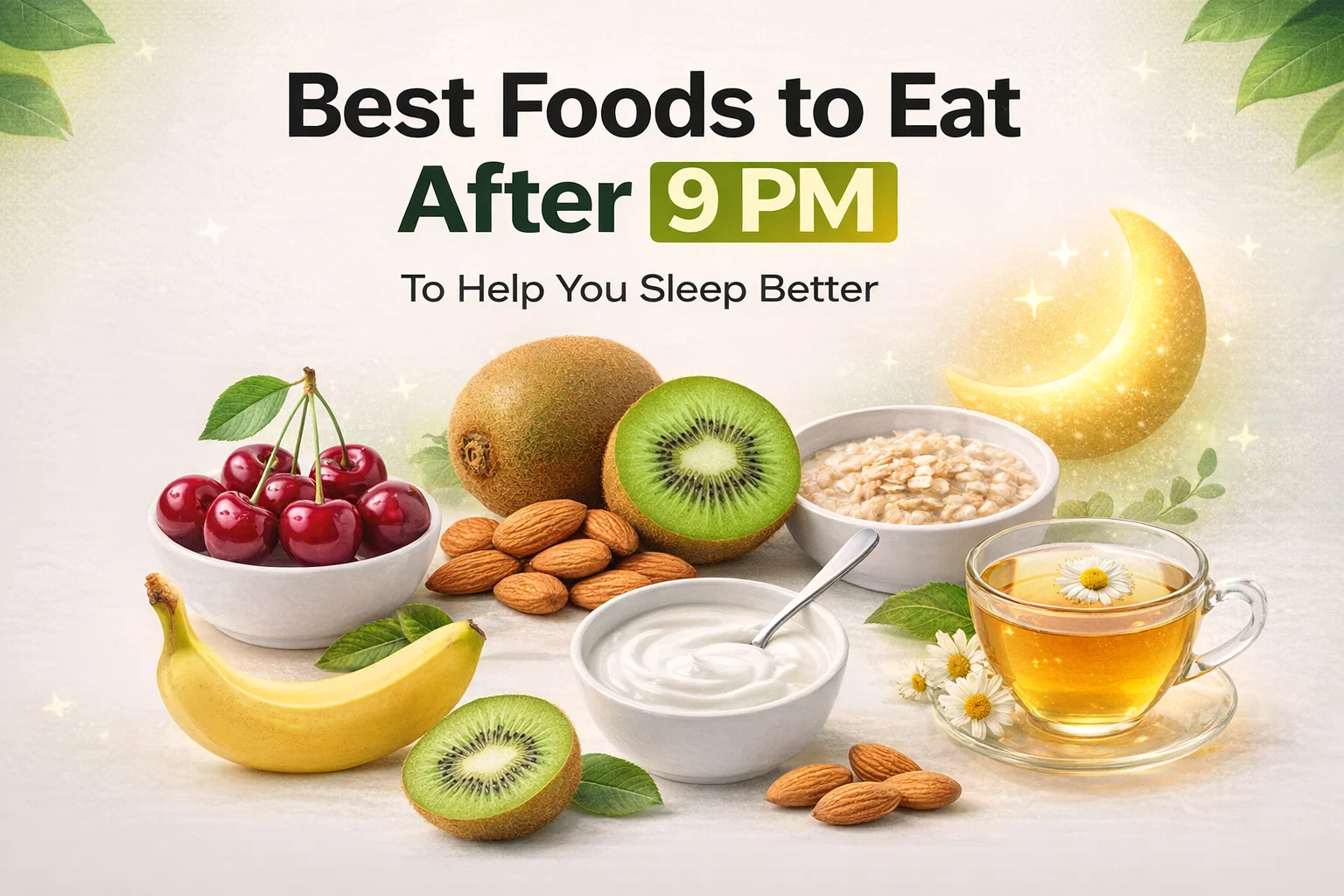
The secret lies in choosing the right kind of fuel. When you select foods that are gentle on your digestive system and rich in sleep-promoting compounds, you can actually improve your rest rather than ruin it. The image we are looking at today provides a perfect roadmap for these midnight cravings, ranking snacks by how gentle they are on your sleep cycle. From the enzyme-rich kiwi to the soothing properties of chamomile, let us dive deep into why these specific foods are the ultimate late-night allies for your body and mind.
The Science of Sleeping and Eating
Before we break down the specific snacks, it is important to understand why the timing of your food matters. When you eat a large, complex meal late at night, your body has to divert significant energy toward digestion. This increases your core body temperature and can lead to acid reflux, both of which are enemies of deep, restorative REM sleep. On the other hand, a small, nutrient-dense snack can stabilize your blood sugar levels throughout the night, preventing those 3 AM wake-up calls caused by a cortisol spike.
Many of the foods recommended by experts contain specific precursors to sleep hormones. For example, tryptophan is an amino acid that helps your body produce serotonin, which then converts into melatonin, the hormone responsible for regulating your sleep-wake cycle. When you pair these biochemical benefits with a snack that is easy to break down, you create the perfect environment for a night of uninterrupted slumber.
1. Kiwi: The Tiny Powerhouse of Sleep Hormones
Topping the list as the most effective sleep-friendly snack is the kiwi. While it might seem like a simple fruit, kiwis are packed with serotonin. Research has shown that consuming two kiwis before bed can help people fall asleep faster and stay asleep longer. The high antioxidant content also helps reduce inflammation, which can be a hidden cause of poor sleep quality.
Kiwis are also incredibly low in calories but high in fiber. This means they satisfy the urge to chew and eat something sweet without overloading your system with sugar or heavy carbohydrates. They are easy to peel, easy to eat, and arguably the most efficient “pill” you can take for a better night of rest.
2. Almonds: Magnesium for Muscle Relaxation
If you prefer something crunchy, almonds are your best friend after 9 PM. The primary reason almonds rank so high is their impressive magnesium content. Magnesium is a mineral that acts as a natural muscle relaxant and helps regulate the neurotransmitter GABA, which quiets down nerve activity in the brain.
A small handful of almonds provides healthy monounsaturated fats and a bit of protein, which keeps you feeling full until breakfast. Because they have a low glycemic index, they do not cause a spike in blood sugar, ensuring that your energy levels remain steady while you drift off into dreamland.
3. Tart Cherries: Nature Melatonin Source
Tart cherries, specifically the Montmorency variety, are one of the few natural food sources of melatonin. Many people find that drinking a small glass of tart cherry juice or eating a handful of dried tart cherries acts as a natural sedative. They are particularly useful for people struggling with insomnia or jet lag.
Beyond the melatonin, tart cherries are rich in anti-inflammatory compounds. Reducing systemic inflammation can lower the stress on your body, making it easier to transition from a state of high alert to a state of rest. Just be sure to look for the “tart” or “sour” variety, as sweet cherries do not contain the same level of sleep-promoting benefits.
4. Warm Oats: Comfort in a Bowl
Oats are not just for breakfast anymore. A small bowl of warm oatmeal can be incredibly soothing before bed. Oats are a complex carbohydrate that triggers a slow, steady release of insulin. This insulin release helps the amino acid tryptophan enter your brain more easily, where it can get to work creating serotonin.
The warmth of the bowl also plays a psychological role. Warm foods tend to be more satiating and comforting, signaling to your nervous system that it is time to wind down. Try preparing them with water or a splash of almond milk and avoid adding heavy sugars or syrups, which could lead to a midnight energy boost you definitely do not want.
5. Bananas: A Dual Action Sleep Aid
Bananas are often called a “sleeping pill in a peel” because they contain both magnesium and potassium. These two minerals work together to relax overstressed muscles and prevent nighttime leg cramps. Furthermore, bananas contain a healthy dose of vitamin B6, which is essential for the production of melatonin.
Because bananas are slightly higher in natural sugars than kiwis, they are ranked a bit lower on the “gentleness” scale, but they remain an excellent choice for those who need a more substantial snack to curb hunger. They are portable, require no preparation, and provide a sweet treat that is far healthier than a bowl of ice cream.
6. Greek Yogurt: Protein for Overnight Repair
Greek yogurt is an excellent choice if you have had a physically active day. It is rich in casein protein, which is a slow-digesting protein that provides your muscles with a steady stream of amino acids throughout the night. This aids in muscle recovery and prevents you from waking up feeling famished.
Additionally, yogurt contains calcium, which helps the brain use the tryptophan found in dairy to manufacture melatonin. Opt for plain, unsweetened Greek yogurt to avoid the “sugar high” that comes with flavored varieties. If you need a little sweetness, you can always top it with a few of the tart cherries or almond slivers mentioned earlier.
7. Chamomile Tea: The Ultimate Nightcap
While technically a beverage rather than a snack, chamomile tea is the gold standard for nighttime routines. It contains an antioxidant called apigenin, which binds to certain receptors in your brain that may promote sleepiness and reduce insomnia. The ritual of sipping a warm cup of tea also helps lower cortisol levels and prepares your mind for sleep.
Chamomile is caffeine-free and incredibly gentle on the stomach, making it the perfect final step in your evening. It hydrates the body without bloating it, and the floral aroma alone can be enough to start the relaxation process. It is the perfect “closer” for anyone who has had a stressful day and needs to quiet a racing mind.
Why You Should Avoid Heavy Foods Late at Night
While the snacks listed above are beneficial, it is equally important to know what to avoid. Foods that are high in fat, such as pizza or burgers, take a long time to digest and can cause the lower esophageal sphincter to relax, leading to heartburn. Spicy foods should also be avoided, as they can raise your body temperature and irritate the stomach.
Sugar is another major culprit. Eating candy or drinking soda late at night causes a rapid spike in blood glucose followed by a crash. This crash can cause your body to release adrenaline and cortisol to stabilize itself, which will likely wake you up in the middle of the night. By sticking to the “gentle” list, you avoid these metabolic rollercoasters.
Hydration and Timing
Even with the right snacks, timing is everything. Ideally, you should try to finish your snack about 30 to 60 minutes before your head hits the pillow. This gives your body a head start on the digestion process. Also, be mindful of your fluid intake. While chamomile tea is great, drinking a massive amount of liquid right before bed might lead to multiple trips to the bathroom, which defeats the purpose of a sleep-optimized snack.
Portion Control is Key
The goal of a late-night snack is to satisfy hunger, not to eat a full meal. Keep your portions small. A single kiwi, a dozen almonds, or a small 4-ounce cup of yogurt is plenty. When we overeat at night, even “healthy” foods can become a burden on the digestive system. Think of these foods as a gentle nudge toward sleep rather than a heavy blanket.
Creating a Nighttime Environment for Success
To get the most out of your sleep-friendly snacks, try to pair them with a solid wind-down routine. Dim the lights while you eat, put away your smartphone, and perhaps listen to some soft music or read a physical book. The combination of the right nutrients and a calm environment tells your brain that the day is over and it is safe to rest.
Consistency is also vital. If you find a particular snack, like the kiwi or the almonds, works well for you, make it a part of your nightly habit. Your body loves routine, and eventually, the very act of preparing that snack will trigger a relaxation response in your brain.
Conclusion: Eat Well to Sleep Well
The idea that we must starve ourselves after 9 PM is a myth that needs to be retired. By choosing foods that support our biology rather than fight against it, we can turn a late-night craving into a tool for better health. Whether it is the hormone support of a kiwi, the muscle-relaxing power of almonds, or the comforting warmth of a small bowl of oats, nature provides us with everything we need to rest deeply.
Next time you find yourself wandering into the kitchen late at night, remember the “gentle” list. Skip the chips and the sweets, and reach for something that will nourish your body while it repairs itself. A better tomorrow truly does start with what you eat tonight. Sweet dreams and happy snacking!