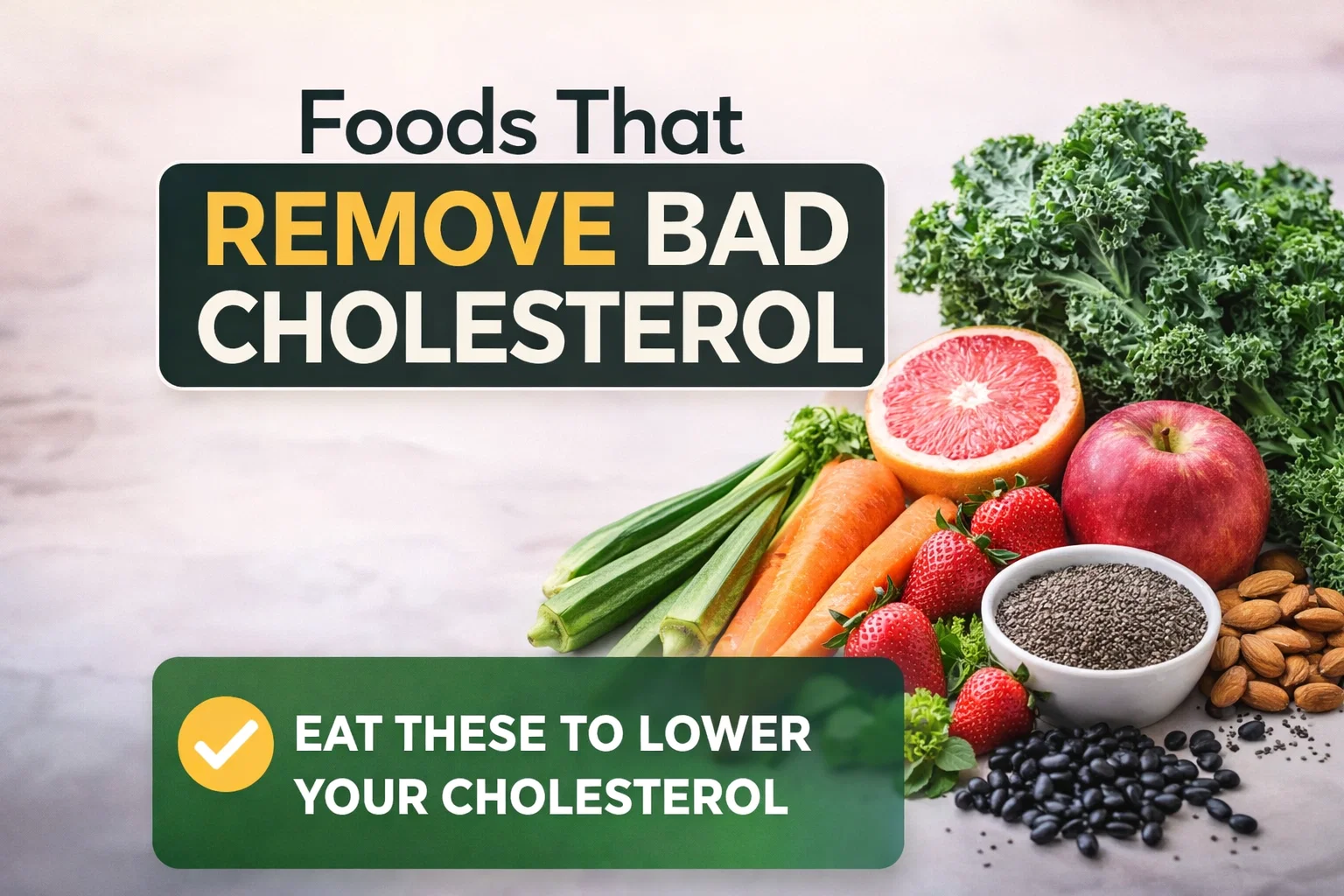
12 Best Superfoods to Lower Bad Cholesterol Naturally Heart Healthy Foods List
Taking control of your heart health does not always require a complete lifestyle overhaul. Sometimes, the most profound changes begin right at the end of your fork. If you have been searching for natural ways to manage your cholesterol, you are likely overwhelmed by conflicting advice and complex diet plans. The truth is that nature has already provided a literal pharmacy of whole foods designed to keep our arteries clear and our bodies vibrating with energy. By focusing on specific superfoods that target LDL or bad cholesterol, you can build a delicious and sustainable path toward long term wellness.
Understanding the Power of Functional Foods for Heart Health
Cholesterol is often painted as a villain, but it is actually a vital building block for cells and hormones. The challenge arises when low density lipoprotein (LDL) levels become too high, leading to plaque buildup. This is where functional nutrition steps in. Unlike processed supplements, whole foods contain a complex matrix of fiber, phytosterols, and antioxidants that work in harmony to sweep away excess cholesterol before it can cause harm.
When we look at the list of top performers for heart health, we see a recurring theme: fiber and healthy fats. Soluble fiber, found abundantly in many of the foods we will discuss, acts like a sponge in the digestive tract. It binds to cholesterol and carries it out of the body naturally. Integrating these twelve powerhouses into your weekly meal prep is a proactive and empowering way to advocate for your own longevity.
1. Okra: The Secret Weapon for Digestion
Often overlooked in the produce aisle, okra is perhaps the most potent vegetable for reducing cholesterol. Its secret lies in its mucilage, that gel like substance that some people find intimidating. However, that very substance is what binds to bile acids during digestion. Since bile is made from cholesterol, your liver has to pull more cholesterol from your blood to make more bile, effectively lowering your overall levels. Try roasting okra with a bit of olive oil and sea salt for a crunchy, delicious side dish.
2. Kale: The Ultimate Leafy Green
Kale has earned its reputation as a superfood for good reason. It is packed with lutein and various carotenoids that prevent cholesterol from oxidizing in the bloodstream. When cholesterol oxidizes, it is much more likely to stick to artery walls. By keeping your kale intake high, you are essentially providing your cardiovascular system with a protective shield. Whether you massage it into a salad or toss it into a morning smoothie, this green is a non negotiable for a healthy heart.
3. Carrots: Rooted in Heart Wellness
Carrots are famous for eye health, but their high pectin content makes them a superstar for your heart as well. Pectin is a type of soluble fiber that has been shown to lower cholesterol levels significantly when consumed regularly. Carrots are also rich in beta carotene, an antioxidant that supports overall cellular repair. Grating fresh carrots into your morning muffins or enjoying them raw with hummus is an easy win for your daily nutrition goals.
The Fruit Category: Nature’s Sweetest Protectors
Many people worry about the sugar in fruit, but the fiber content in whole fruits actually helps regulate blood sugar and manage lipids. Adding specific fruits to your diet provides the body with essential polyphenols that improve the function of your blood vessels.
4. Apples: An Apple a Day Really Does Work
The old proverb holds true. Apples are one of the best sources of pectin and polyphenols. Studies have shown that eating two apples a day can significantly reduce LDL cholesterol and triglyceride levels. The key is to eat the skin, as that is where most of the fiber and antioxidant power resides. They make the perfect portable snack for a busy Indiana afternoon or a sweet addition to a savory salad.
5. Grapefruit: The Tart Lipid Lowerer
Grapefruit is a citrus powerhouse that contains a unique type of fiber that can lower cholesterol and even help reverse narrowing of the arteries. It is particularly effective at targeting the bad LDL cholesterol while leaving the good HDL untouched. Just a reminder to check with a healthcare provider if you are on specific medications, as grapefruit can interact with some prescriptions. Otherwise, it is a refreshing way to start your morning.
6. Strawberries: Berry Bliss for Your Arteries
Strawberries are loaded with anthocyanins, the pigments that give them their vibrant red color. These compounds are incredible for vascular health. They help relax the blood vessels and reduce inflammation, which is a major driver of heart disease. Tossing a handful of fresh strawberries into your yogurt or cereal is a simple way to satisfy a sweet tooth while protecting your heart.
7. Almonds: The Crunch That Cleanses
Almonds are rich in monounsaturated fats, the same heart healthy fats found in olive oil. They are also a great source of Vitamin E, which prevents the oxidation of cholesterol. Eating a small handful of almonds daily can help increase your good cholesterol while bringing the bad levels down. They are the perfect snack to keep in your car or desk drawer for when hunger strikes between meals.
8. Chia Seeds: Tiny Seeds with Big Results
Don’t let their size fool you. Chia seeds are one of the richest plant based sources of Omega 3 fatty acids. These healthy fats are essential for reducing inflammation and keeping your heart rhythm steady. When chia seeds are soaked, they form a gel that helps slow down the absorption of fats and sugars in the gut. They are an amazing addition to puddings, smoothies, or even as an egg replacement in your favorite from scratch baking recipes.
9. Oats: The Classic Morning Staple
Oats are the gold standard when it comes to whole grains for heart health. They contain beta glucan, a specific type of soluble fiber that has been extensively researched for its ability to lower LDL cholesterol. Starting your day with a warm bowl of steel cut oats or overnight oats is like giving your arteries a gentle scrub every single morning. Top them with some of the berries and seeds mentioned above for a true breakfast of champions.
10. Lentils and 11. Black Beans: The Legume Power Couple
Legumes and beans are nutritional powerhouses. They are incredibly high in fiber and plant based protein, making them an excellent substitute for red meat, which can be high in saturated fats. Lentils are quick to cook and perfect for soups and stews, while black beans are versatile enough for tacos, salads, and even brownies. Consistently replacing animal proteins with these plant based options can have a dramatic impact on your lipid profile within just a few weeks.
12. Garlic: The Flavorful Heart Guardian
Garlic is more than just a kitchen staple for flavor; it is a medicinal herb used for centuries to support blood pressure and cholesterol. The active compound, allicin, is released when garlic is crushed or chopped. Allicin helps prevent the liver from producing too much cholesterol and improves blood flow. Incorporating fresh garlic into your cooking not only makes your meals taste like a gourmet kitchen but also provides a constant stream of support for your cardiovascular system.
Simple Ways to Incorporate These Foods into Your Daily Life
You don’t have to eat all twelve of these foods every single day to see results. The goal is consistency and variety. You might try a “Heart Healthy Monday” where you focus entirely on these ingredients, or simply aim to include at least three of them in every meal. For example, a morning bowl of oats with chia seeds and strawberries covers three categories before you even leave for work. A lunch salad with kale, carrots, and lentils covers another three.
Cooking from scratch is one of the best ways to ensure you are getting the full benefits of these foods. When you control the ingredients, you can avoid the hidden sugars and unhealthy trans fats found in many pre packaged heart healthy meals. Plus, there is a deep sense of satisfaction that comes from nourishing your body with something you prepared with your own hands.
Creating a Sustainable Heart Healthy Lifestyle
Lowering cholesterol is not just about what you remove from your diet, but what you add to it. By crowding out processed snacks with nutrient dense superfoods like almonds and apples, you naturally shift your body into a state of healing. Combine these dietary choices with regular movement and stress management, and you have a holistic recipe for a long, vibrant life.
Remember that health is a journey, not a destination. Small, daily choices add up over time to create significant changes. Every time you choose kale over a processed side dish or grab an apple instead of a candy bar, you are casting a vote for your future self. Your heart works hard for you every second of every day; give it the fuel it needs to thrive.
Conclusion: Your Path to a Healthier Heart Starts Now
Building a diet around these twelve superfoods is one of the most effective natural strategies for managing cholesterol. From the fiber rich depths of okra and oats to the antioxidant power of strawberries and kale, nature has provided everything we need to maintain a healthy cardiovascular system. These foods are accessible, delicious, and incredibly versatile, making them easy to integrate into any lifestyle.
As you begin to experiment with these ingredients, pay attention to how you feel. Many people find that a heart healthy diet also leads to better digestion, clearer skin, and more stable energy levels throughout the day. Take it one meal at a time, enjoy the process of discovering new flavors, and rest easy knowing you are taking proactive steps to protect your most vital organ. Your heart will thank you for years to come.