Magical Girl Writing Tips Character Setup, Plotting, and Tropes Guide
Creating a magical girl story is a dream for many writers who grew up enchanted by sparkling transformations and the power of friendship. However, moving from a simple concept to a fully realized, professional-grade narrative requires more than just glitter and a cute mascot. To truly captivate a modern audience, you need to dive deep into the mechanics of character dynamics and structural pacing. This guide explores how to take the foundational tropes of the genre and elevate them into a compelling, high-stakes adventure that resonates with readers of all ages.
Building a Team That Shines
The heart of any magical girl narrative is the team. While a solo heroine can be effective, the genre truly thrives when a group of diverse individuals must learn to work together. A team of four or five characters is often the sweet spot. This allows for enough variety to keep the interactions fresh without overwhelming the reader with too many subplots. To make this team feel authentic, you should focus on contrasting personalities. If your lead is an impulsive optimist, consider pairing her with a stoic strategist or a shy intellectual. These natural frictions are where the best dialogue and character growth happen.
The Power of Color-Coded Themes
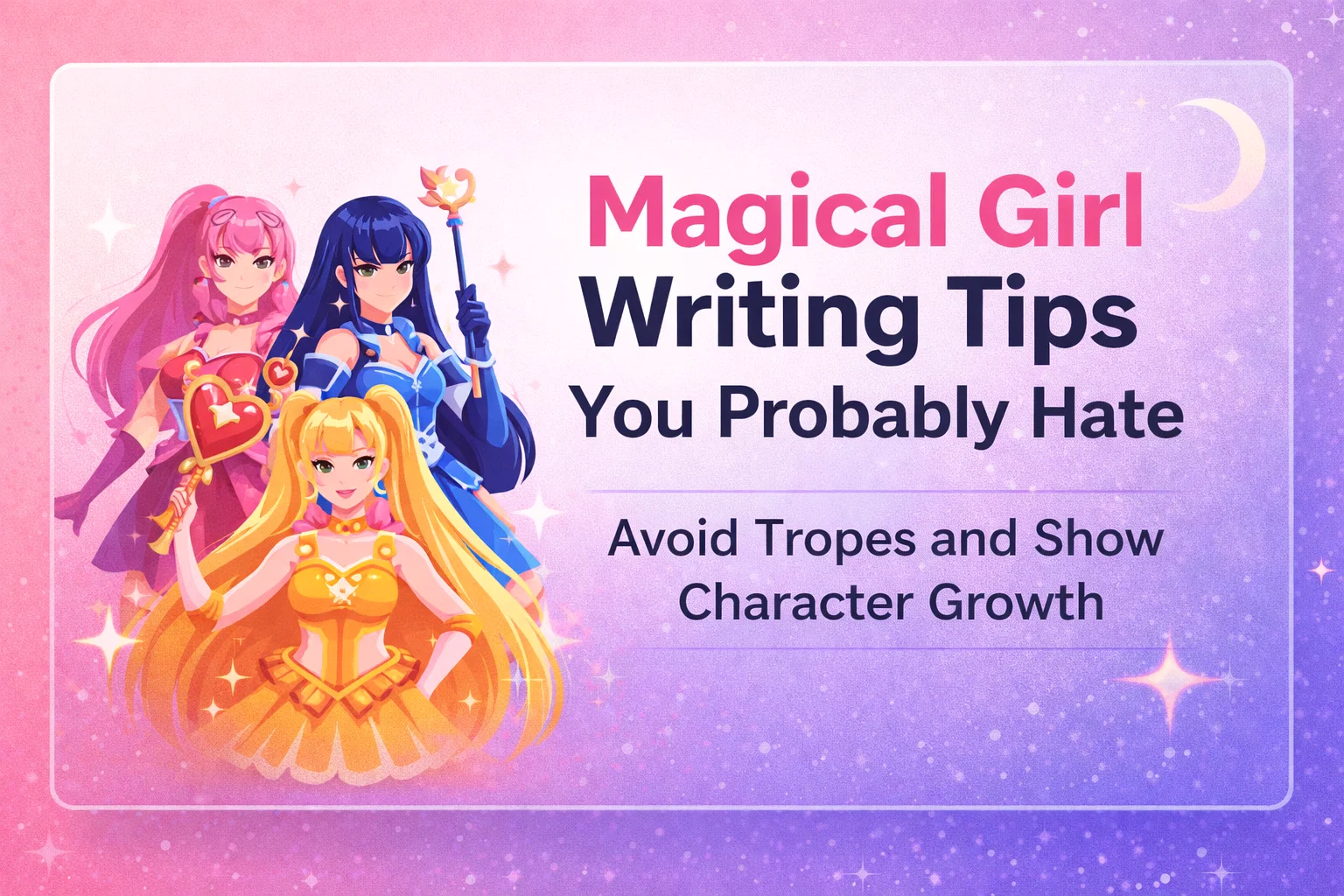
One of the most iconic elements of the genre is the color-coded aesthetic. This is not just for visual appeal; it serves as a powerful shorthand for your audience. In a fast-paced action sequence, a flash of blue versus a burst of pink immediately tells the reader who is making the move. You can use these colors to reflect their fighting styles and elemental affinities. A red-themed character might use aggressive, fire-based physical attacks, while a green-themed character might focus on defensive barriers or healing magic. This visual consistency helps ground the fantasy elements in a way that feels organized and intentional.
Subverting Tropes for a Modern Audience
Because the magical girl genre has been around for decades, it is easy to fall into the trap of using “standard” stereotypes. To stand out, you must be willing to turn these tropes upside down. Perhaps the cute animal mentor is actually untrustworthy, or the “clumsy” protagonist is secretly a highly disciplined martial artist who is just socially awkward. Subversion keeps the audience on their toes and proves that you are bringing something new to the table. Think about what people expect from a magical girl story and then ask yourself how you can deliver that emotional beat in an unexpected way.
Ensuring Individual Goals and Agency
It is a common mistake to let the main plot dictate every move the characters make. To create three-dimensional people, you must ensure each character has a personal goal or a problem that is completely independent of the magical conflict. One character might be struggling with a difficult relationship at home, while another is trying to win a local sports championship. These “civilian” stakes make the characters feel real. When the world is ending, the reader will care more because they know exactly what each girl is losing in her personal life.
Mastering the Narrative Flow
Once your characters are set up, you need to focus on the plotting and tone. A successful magical girl story often utilizes a “shift in tone” to maintain engagement. Many of the most successful series start with a light, fun premise. The girls enjoy their new powers, they go on fun adventures, and the stakes feel manageable. However, as the story progresses, the narrative should transition into darker, more complex storylines. This gradual increase in tension allows the reader to grow attached to the characters during the “happy” times, making the eventual sacrifices and hardships much more impactful.
Crafting Action-Oriented Narratives
Do not shy away from the action. While the emotional journey is vital, the magical girl genre is defined by its high-energy, choreographed fight scenes. These battles should not just be random displays of power. They should be treated like a physical conversation between the hero and the villain. Each move should reflect the character’s growth or their current emotional state. If a team is out of sync in their personal lives, their fighting should be disorganized. When they finally reconcile, their magic should synchronize in a spectacular display of teamwork.
Maintaining Narrative Consistency
A frequent pitfall in long-form storytelling is the abandonment of plot arcs. If you establish a mystery in the first act, you must follow through on it. Narrative consistency is what builds trust with your audience. Every element you add to your world should fit the established rules and the overarching plot. Random additions, even if they seem “cool” in the moment, can distract from the core message and make the world feel flimsy. If you introduce a new magical artifact or a sudden power-up, ensure there is a logical reason for its appearance within the lore you have built.
Allowing for Organic Character Growth
While planning is important, you should leave room for your characters to breathe. Sometimes, as you write, a character might react to a situation in a way you did not originally expect. Lean into that. Let personalities emerge through their actions within the story rather than sticking rigidly to a pre-planned biography. If a character consistently shows bravery in your drafts despite being labeled “the coward” in your notes, update your notes. The most memorable characters are the ones who feel like they are making their own choices rather than following a script.
The Importance of Purposeful World Building
Your setting should feel like a character in its own right. Whether your story takes place in a bustling modern city or a hidden magical kingdom, the environment must influence how the characters live and fight. Purposeful world-building means asking questions about the cost of magic. Does using their powers tire them out? Is the magical world hidden from humans, and if so, what are the consequences of being discovered? By defining these boundaries, you create a sense of realism that makes the magical elements feel even more extraordinary.
Conclusion: Crafting Your Own Legacy
Writing a magical girl story is an opportunity to explore themes of empowerment, friendship, and the balance between light and shadow. By focusing on a diverse team, subverting expectations, and maintaining a consistent narrative tone, you can create a world that readers will want to return to again and again. Remember that the best stories are the ones that stay true to their characters while pushing the boundaries of the genre. So, grab your notebook, imagine your colors, and start building the magical world only you can create. Your future readers are waiting for the spark of inspiration that only your voice can provide.
Would you like me to generate a list of 10 unique magical girl weapon ideas for your next chapter?