5 Ways Self-Trust Builds Confidence Stop Over-Explaining Start Growing Through It
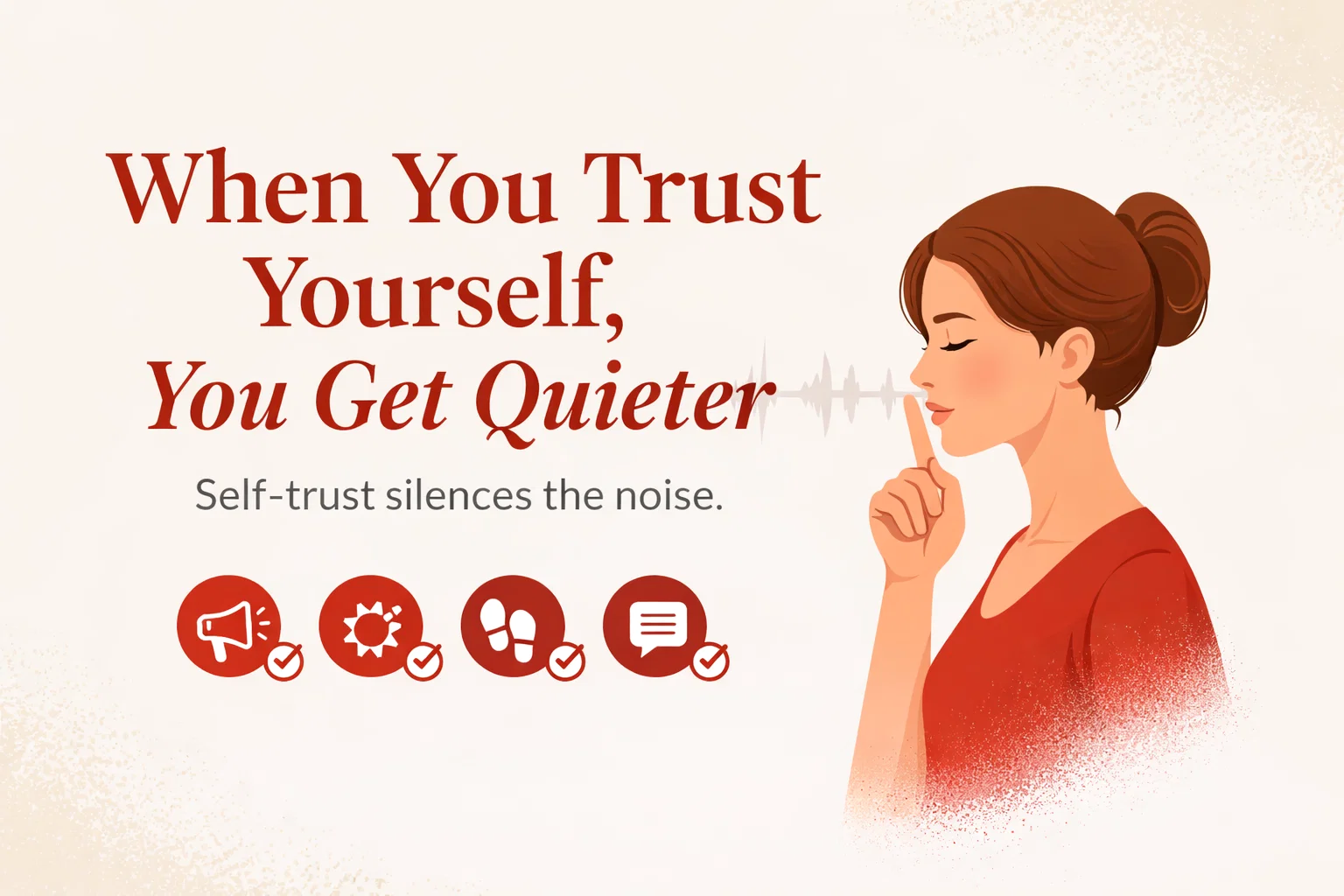
Self-trust is one of those quiet superpowers that many people overlook in their quest for external validation and success. We often look for confidence in the form of a loud voice, a bold stance, or the ability to win every argument. However, true confidence is actually a byproduct of a deep, unshakable trust in oneself. When you finally reach a place where you trust your own judgment and your own value, something fascinating happens: you get quieter. This shift isn’t about becoming passive or shy. Instead, it is about an internal security that no longer requires the constant approval of the outside world. It is the moment you realize that your worth is not a topic open for public discussion.
The Evolution of Self-Trust and Silence
Most of us spend a large portion of our lives trying to prove ourselves to others. We explain our choices, defend our boundaries, and seek permission to be who we are. This constant noise is often a sign of internal insecurity. When we don’t trust our own decisions, we need others to validate them so we can feel safe. But as you grow through your experiences, you begin to see that the loudest person in the room is rarely the most confident. True strength is found in the ability to remain calm when things get chaotic and to remain silent when an explanation isn’t truly necessary.
This evolution into a quieter, more self-assured version of yourself is a sign of emotional maturity. It means you have stopped outsourcing your self-esteem. You have started to believe in your own internal compass, and because of that, you no longer feel the frantic need to guide everyone else’s perception of you. You move with a sense of purpose that is fueled by internal alignment rather than external applause.
1. Why You Stop Over-Explaining
One of the first things to change when you develop self-trust is your need to explain yourself. Have you ever noticed how often you justify your “no” or provide a long list of reasons why you can’t attend an event or take on a project? Over-explaining is a trauma response and a sign that you are afraid of being misunderstood or disliked. It is an attempt to control how other people see you.
When you trust yourself, you realize that “No” is a complete sentence. You understand your reasons, and that is enough. You don’t need to convince someone else that your boundaries are valid. If you decide to change careers, end a relationship, or move to a new city, you do it because it is right for you. The need to make sure everyone else agrees with your logic begins to fade away. This silence creates a massive amount of mental space, allowing you to focus on your actions rather than your justifications.
Breaking the Cycle of Justification
To break the habit of over-explaining, you have to get comfortable with the discomfort of other people’s projections. When you stop explaining, some people might assume you are being rude or secretive. However, their interpretation of your silence is not your responsibility. By holding your tongue, you are actually holding your power. You are signaling to yourself and the world that your decisions are final and that your inner peace is more important than someone else’s complete understanding of your life.
2. Learning to React Less
Reacting is often a knee-jerk emotional response to a perceived threat. When someone criticizes us or challenges our views, our natural instinct is to fire back. We want to defend our ego. But when you have a high level of self-trust, you realize that not everything deserves your emotional energy. You become more selective about where you invest your feelings.
Reacting less doesn’t mean you don’t care; it means you are in control of your energy. You can observe a situation without being consumed by it. If someone is being unkind, you can recognize that their behavior is a reflection of their own internal struggle, not a statement on your character. By choosing not to react, you maintain your dignity and your composure. You remain the master of your own emotional state, which is the ultimate form of self-mastery.
3. Moving Without Announcing
In the age of social media, there is a constant pressure to broadcast every win, every goal, and every milestone. We have been conditioned to believe that if it wasn’t posted, it didn’t happen. However, there is a specific type of security that comes with moving in silence. Security doesn’t require witnesses. When you trust the process and you trust your ability to execute, you don’t need the “likes” or the “congratulations” to keep you going.
Moving without announcing allows you to build something for yourself rather than for an audience. It protects your dreams from the opinions of people who don’t see the vision. Whether you are starting a new business, beginning a fitness journey, or working on your mental health, doing it quietly allows the results to speak for themselves. There is a profound level of confidence that comes from knowing you achieved something because you wanted it, not because you wanted people to see you wanting it.
The Power of Private Success
When you keep your moves private, you also eliminate the pressure of external expectations. You are free to pivot, fail, and try again without the weight of public scrutiny. This privacy fosters a deeper connection with your work and your goals. You are doing it for the intrinsic value, and that makes the eventual success much sweeter and more sustainable.
4. The Art of Listening More
Confidence isn’t loud; it is aware. People who lack self-trust often dominate conversations because they are trying to prove their intelligence or importance. They use words as a shield or a weapon. Conversely, those who trust themselves are comfortable being the student. They listen more than they speak because they are not threatened by other people’s ideas or knowledge.
When you listen more, you gather information. You become more observant of the world around you. You notice the nuances in people’s behavior and the patterns in your environment. This awareness actually increases your confidence because you are making decisions based on a full understanding of the situation rather than a rushed desire to be heard. Silence in a conversation is a sign of a settled mind. It shows that you are comfortable with who you are and don’t need to fill every gap with your own voice.
5. Why You Argue Less
Arguments are often a battle for who is “right.” But when you trust yourself, the need to be “right” in the eyes of others diminishes. You know your truth. You know your values. You know your worth. Because your worth isn’t up for debate, you don’t feel the need to argue with someone who is determined to misunderstand you.
Arguing is exhausting. it drains your creativity and your joy. When you stop engaging in pointless debates, you preserve your peace. You realize that you can disagree with someone and still walk away without needing to change their mind. This level of detachment is a clear indicator of high self-esteem. You are so secure in your own skin that someone else’s conflicting opinion doesn’t shake your foundation.
Choosing Peace Over Being Right
There is a famous saying that goes, “Would you rather be right, or would you rather be happy?” Self-trust leans heavily toward being happy. It understands that most arguments are just clashes of egos. By stepping back and refusing to participate in the drama, you are choosing a higher path. You are prioritizing your mental health over a temporary ego boost.
Self-Trust Changes How You Move
Self-trust is not a destination you reach overnight. It is a practice that you refine every single day. It involves making small promises to yourself and keeping them. It involves listening to your gut even when the world is shouting something else. It involves being kind to yourself when you fail and being your own biggest cheerleader.
As this trust grows, your entire “vibe” changes. You move through the world with a different kind of presence. You aren’t rushing, you aren’t begging, and you aren’t performing. You are simply existing in your own power. This shift is magnetic. People are drawn to those who are comfortable in their silence because it signals a rare level of authenticity and strength.
Practical Steps to Cultivate Self-Trust
- Keep Small Promises: Start by setting tiny goals and following through. If you say you will drink a glass of water every morning, do it. This builds the neurological pathways that tell your brain, “I can trust what I say.”
- Practice Mindfulness: Spend time in silence every day. Get to know your own thoughts without the distraction of music, phones, or people. This helps you identify your internal voice.
- Limit External Advice: Before asking five friends for their opinion, ask yourself what you think. Sit with your own choice for 24 hours before seeking outside input.
- Reflect on Past Successes: Remind yourself of the times you made a tough call and it worked out. You have a track record of survival and success; start acknowledging it.
- Audit Your Reactions: The next time you feel the urge to snap back or over-explain, pause. Take three breaths. Ask yourself if this situation truly requires your energy.
Conclusion: The Quiet Strength of the Self-Assured
The journey of growing through your challenges inevitably leads to a quieter, more centered version of yourself. When you trust yourself, the noise of the world begins to fade into the background. You stop seeking the spotlight and start focusing on the light within. Remember that confidence isn’t about having all the answers or being the loudest person in the room. It is about knowing that no matter what happens, you have your own back.
Embrace the silence that comes with self-trust. Use it to listen, to observe, and to build a life that feels good on the inside, not just one that looks good on the outside. Your worth is inherent, your path is yours alone, and your security is a gift you give to yourself. Trust yourself, get quieter, and watch how the world starts to move in your favor.