Plot Twist Writing Prompt Detective is the Murderer Story Idea
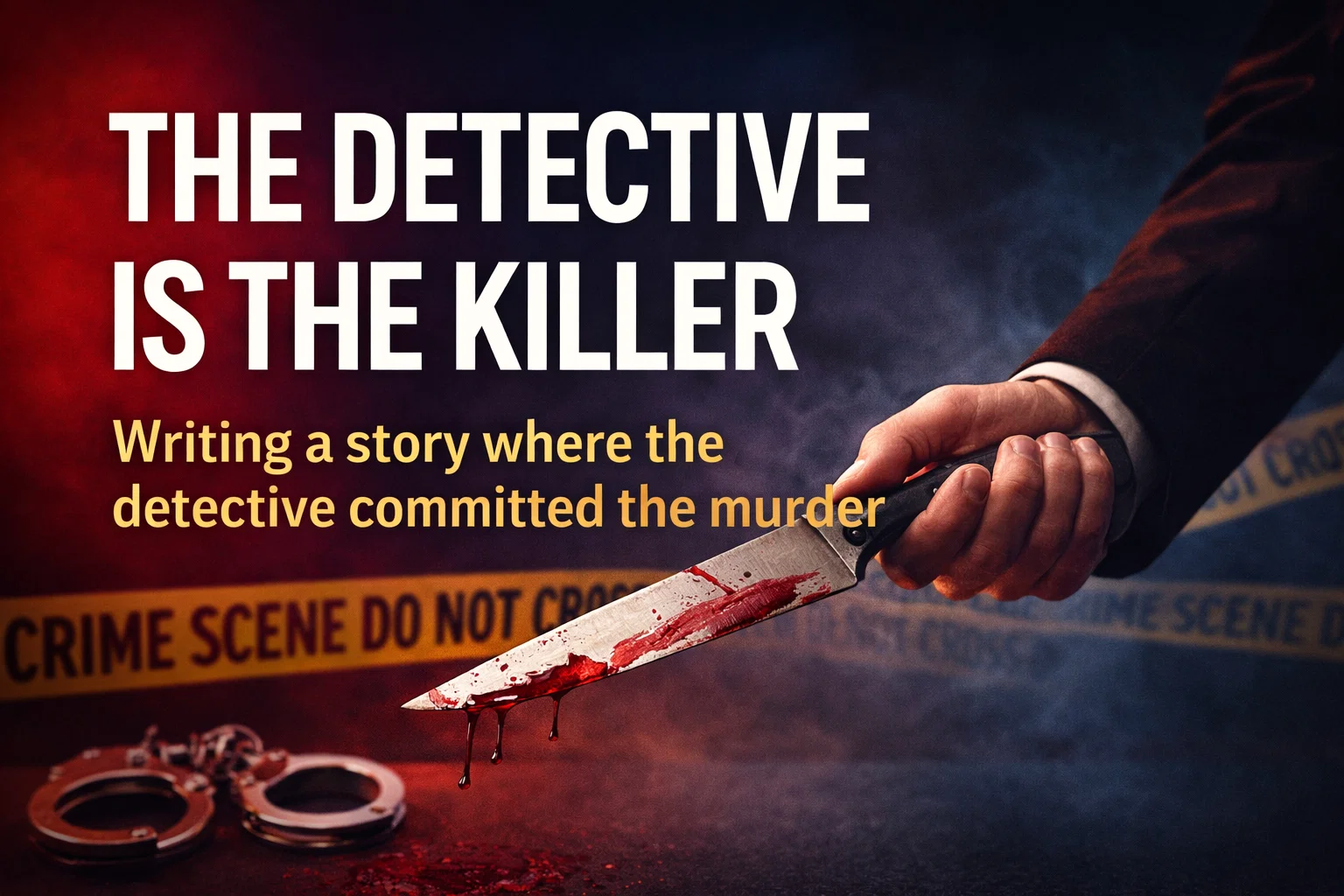
Imagine the ultimate betrayal: a crime scene where the yellow tape is a boundary set by the killer himself. The detective, the very person the public trusts to restore order and deliver justice, is the one who silenced the victim. This is not just a plot twist; it is a psychological tightrope walk that has fascinated readers and viewers for decades. When the protagonist is the perpetrator, the traditional whodunit transforms into a high-stakes game of cat and mouse where the cat is chasing its own tail. If you are a writer looking to inject a dose of adrenaline and moral ambiguity into your next project, this “detective is the murderer” trope is your golden ticket to a page-turner.
The Anatomy of the Unreliable Investigator
The core of this writing idea lies in the concept of the unreliable narrator. Usually, we trust the detective because their goals align with our own: we both want to solve the mystery. When you break that bond of trust, the reader feels a sense of vertigo. Every piece of evidence the detective “finds” could be a plant. Every interview they conduct could be an exercise in manipulation. This creates a dual narrative where the detective is solving the crime for the police department while simultaneously un-solving it for themselves.
To make this work, you must establish the detective’s professional competence early on. They cannot be a bumbling fool; they must be the best at what they do. This makes their internal struggle even more compelling. They know exactly how their colleagues think, what forensics will look for, and which witnesses are most likely to talk. Their expertise becomes their greatest weapon against the truth.
Building the Internal Conflict
Why did they do it? This is the question that will haunt your readers. Perhaps it was a crime of passion, a calculated act of vigilantism, or an accidental death covered up in a moment of professional panic. The motive dictates the tone of the story. A detective who killed a serial killer who escaped justice feels very different from a detective who killed to hide a gambling debt. Focus on the psychological toll. The constant fear of a slip-up, the guilt triggered by a victim’s grieving family, and the dark satisfaction of outsmarting the system are all rich territories for character development.
Crafting the Perfect Crime for a Pro
When a detective commits a murder, they do not just hide the body; they curate the crime scene. Think about how a professional would exploit the blind spots of the legal system. They might contaminate DNA evidence under the guise of an accidental stumble or “lose” a crucial piece of paperwork in the chaotic bureaucracy of the station. The brilliance of this trope is that the detective has access to the evidence locker and the lab reports before anyone else.
You can use the crime scene as a secondary character. Every shadow and misplaced hair is a potential threat to the detective’s freedom. As the writer, you should lead the reader through the detective’s thought process as they analyze their own handiwork through the lens of a forensic expert. It creates a chilling sense of intimacy between the killer and the reader.
The Art of the Red Herring
A great mystery needs suspects, and a detective-killer is the master of creating them. In your story, have the detective actively build a case against someone else. This person should be someone the reader might actually believe is guilty. Perhaps it is a local low-life or a rival within the police force. By watching the detective manipulate the clues to point toward an innocent person, the reader experiences a unique form of tension. You want the reader to root for the truth while simultaneously being fascinated by the detective’s cunning.
The Supporting Cast: Friends or Foes?
The detective is rarely alone. They have partners, forensic technicians, and a prying captain. These characters are the ticking clock of your story. A partner who has worked with the detective for ten years is the biggest threat because they know the detective’s “tells.” If the detective is suddenly more stressed or acting out of character, the partner will be the first to notice.
Use these secondary characters to heighten the suspense. Every casual conversation in the breakroom becomes a minefield. When a forensic tech says, “We found a fingerprint that does not match any of the suspects,” the detective’s heart should skip a beat, and the reader’s should too. The tension comes from the proximity of the threat.
The Protégé Threat
Introducing a young, ambitious protégé can add a layer of irony. The detective is forced to teach their student how to solve the very crime they committed. Watching the student use the detective’s own techniques to slowly close the net around their mentor is a classic storytelling device that never fails to satisfy. It becomes a race between the mentor’s experience and the student’s fresh, unbiased eyes.
Atmosphere and Setting: Setting the Noir Mood
To truly capture the essence of a dark mystery, the setting should reflect the detective’s internal state. Think of rain-slicked streets, flickering fluorescent lights in the precinct, and the quiet, oppressive atmosphere of an evidence room at 2:00 AM. The environment should feel like it is closing in on the protagonist. Use sensory details to ground the reader: the smell of stale coffee, the cold metal of a handcuffs, and the weight of a service weapon that has been used for something other than protection.
The setting can also provide the means for the cover-up. A bustling city offers anonymity and plenty of places to stash evidence, while a small, isolated town creates a claustrophobic environment where everyone knows everyone’s business, making the detective’s task significantly harder.
The Pacing of a Psychological Thriller
The pacing for this type of story should be a slow burn that accelerates into a frantic sprint. Start with the immediate aftermath of the crime and the detective’s initial efforts to clean up. The middle of the post should focus on the investigation itself, with the detective balancing their dual roles. Each chapter or section should bring a new discovery that threatens to expose them, forcing them to take increasingly desperate measures.
Avoid rushing the reveal. The joy of this trope is in the “how” and the “why” rather than just the “who.” Let the reader sit with the detective in their moments of solitude, where the mask slips and we see the raw, terrified human underneath the badge.
Managing the Climax
The climax should be the moment the detective can no longer outrun the truth. This does not always mean they get caught. Some of the most haunting stories end with the detective getting away with it, but at the cost of their soul or their sanity. Alternatively, a confrontation with a partner who has finally put the pieces together provides a powerful emotional payoff. The ending should feel inevitable yet shocking, leaving the reader thinking about the story long after they have closed the book.
Common Pitfalls to Avoid
While this is a powerful trope, it can easily fall into cliché if not handled carefully. Avoid making the detective “evil” just for the sake of being evil. A villain with no depth is rarely interesting. Instead, focus on the gray areas of morality. Another pitfall is making the other police officers seem incompetent just so the detective can get away with the crime. The tension is much higher if the other characters are smart and capable, forcing the detective to be even smarter.
Finally, ensure the clues are fair. Even though the detective is hiding the truth, the reader should be able to look back and see the breadcrumbs you left behind. A “cheat” ending where the detective is revealed as the killer with no prior evidence feels cheap and unsatisfying.
Why Writers Love This Prompt
Writing a story where the detective is the murderer is a fantastic exercise in perspective. It forces you to think about plot construction from two opposing angles simultaneously. It challenges your ability to write subtext and to use dialogue that means one thing to the characters and another to the reader. It is a masterclass in building suspense through information management.
Moreover, it allows you to explore deep themes such as justice versus law, the nature of guilt, and the fragility of the human ego. It is a prompt that demands complexity and rewards the writer who is willing to dive into the darker corners of the human experience.
Conclusion: Time to Start Writing
The “detective as the killer” prompt is more than just a trick; it is an invitation to explore the complexity of human nature and the blurred lines between right and wrong. By putting your protagonist in the impossible position of investigating their own crime, you create a narrative engine fueled by secret guilt and public duty. Whether your detective is a tragic figure or a calculating villain, the journey you take them on will be one your readers won’t forget.
So, grab your notebook or open a fresh document. Think about that first scene: the flashing blue lights, the snap of latex gloves, and the detective looking down at a body they put there. The mystery is ready to be written, and the biggest secret is already yours to keep. Happy writing!
Would you like me to generate a specific list of character profiles or a more detailed outline for this story idea?