Aesthetic Pink Poetry Writing Prompts for Creative Inspiration Dark Romance Writing Ideas
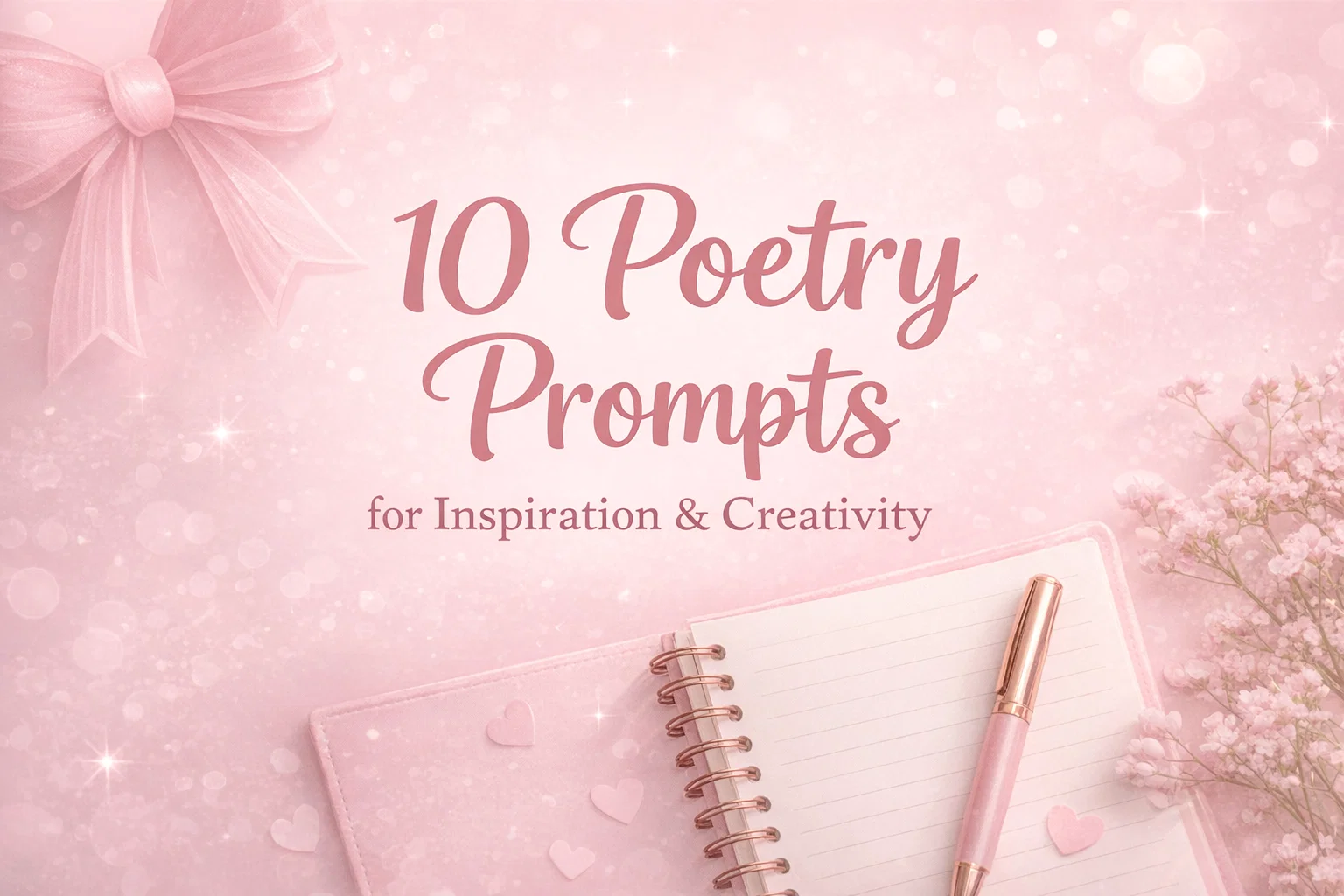
Finding the perfect words to describe a fleeting emotion or a haunting memory can be one of the most challenging aspects of being a writer. Sometimes the ink simply refuses to flow and the blank page feels more like a wall than a canvas. That is where the power of a well crafted poetry prompt comes into play. The image you see here is not just a list of sentences; it is a gateway to the coquette aesthetic, a blend of soft visuals and dark, evocative themes that pull at the heartstrings. Whether you are looking to explore the depths of unrequited love or the eerie stillness of a crow’s song, these prompts provide the structural skeleton for your next masterpiece. In this guide, we will dive deep into how to use these specific prompts to elevate your creative writing and break through the toughest blocks.
The Magic of the Coquette Aesthetic in Poetry
The visual style of these prompts, featuring delicate pink bows and a soft, vintage color palette, points toward the popular coquette and dark romance aesthetics. In the world of modern poetry, this style balances the “pretty” with the “painful.” It is about finding the beauty in a “scarlet tinted blood” or the tragedy in a “race to eternal isolation.” By using these prompts, you are tapping into a specific mood that resonates deeply with readers on platforms like Pinterest and Tumblr, where visual storytelling and raw, emotional text go hand in hand.
Why Creative Writing Prompts Work
Psychologically, a prompt removes the “paradox of choice.” When you can write about anything, you often end up writing about nothing. By narrowing your focus to a single phrase like “Temptations that linger,” your brain immediately begins to search for associations, memories, and metaphors related to that specific idea. It acts as a seed that, when watered with a bit of imagination, grows into a full length poem or short story.
Analyzing the Top Poetry Prompts for Deep Emotion
Let’s take a closer look at some of the standout prompts from the list and explore the different directions they could take your writing. Each of these lines carries a specific weight and potential for narrative development.
1. If the crow never stopped singing
Crows are traditionally symbols of omen, death, or intelligence. Usually, a crow’s call is brief and jarring. If it never stopped, the poem could transition into a theme of madness, a persistent memory that won’t fade, or a haunting presence in a small town. You might write about the auditory exhaustion of a secret that refuses to stay buried.
2. When the sun dipped too low
This prompt plays with the concept of the “golden hour” gone wrong. It suggests a threshold. Perhaps the sun dipped so low that it never came back up, or it dipped into a place it wasn’t supposed to be, like the underworld. This is perfect for writers who love heavy imagery and personification of nature.
3. I thought you meant forever
This is the quintessential heartbreak prompt. It deals with the betrayal of expectations. You can use this to write about the mundane objects left behind after a breakup, or the way “forever” feels like a very short amount of time once it is over. It is relatable, raw, and highly effective for emotional engagement.
How to Expand a Single Line into a Full Poem
If you are staring at the prompt “The calm before the ending” and wondering where to go next, try using the Senses and Scenery method. Instead of just thinking about the ending, describe what the “calm” feels like, smells like, and looks like. Is it the smell of ozone before a storm? Is it the silence in a hospital room? By grounding the abstract prompt in physical reality, you make the poem more impactful for the reader.
Tips for Effective Drafting
- Free Write: Set a timer for five minutes and write everything that comes to mind when you read the prompt, without worrying about grammar or rhyme.
- Vary Your Sentence Length: Use short, punchy lines for tension and longer, flowing lines for melancholy.
- Use Strong Verbs: Instead of saying the blood was “red,” use the prompt’s suggestion of “scarlet tinted” or “stained” to create a more vivid picture.
Exploring Identity Through Prompts 8 and 9
The prompts “If I could be her” and “If I could be him” are fascinating because they deal with the concept of the “Other.” This is a goldmine for exploring themes of jealousy, gender identity, or the desire to escape one’s own skin. Writing from this perspective allows you to inhabit a different headspace and explore why you feel that being someone else would solve your current problems. It is a deeply introspective exercise that often results in some of the most honest poetry a person can write.
Writing Exercise: The Mirror Technique
Try writing two poems side by side. Use prompt 8 for the first and prompt 9 for the second. See how your tone changes when you shift the gender or the identity of the subject. This can help you identify your own biases and your own unique “voice” as an author.
The Benefits of a Daily Writing Practice
Using a list of ten prompts like the one in the image is a great way to start a “10 Day Poetry Challenge.” Consistency is the secret sauce to becoming a better writer. When you commit to a prompt every day, you train your brain to find inspiration in the mundane. You stop waiting for a “muse” to arrive and you start creating your own sparks.
What You Gain from Prompt Based Writing
- Expanded Vocabulary: You will find yourself reaching for new words to describe specific prompt themes.
- Genre Experimentation: A prompt about “Scarlet tinted blood” might push a romance writer into the horror genre, broadening their skills.
- Emotional Catharsis: Poetry is a safe space to process difficult feelings like “eternal isolation.”
Creating a Visual Poem: Combining Text and Image
Since these prompts come from such an aesthetically pleasing image, why not make your final poem visually appealing too? Many modern poets use tools like Canva or Photoshop to overlay their verses on top of soft, coquette inspired backgrounds. This makes your work more “shareable” on social media and helps convey the mood of the poem before the reader even finishes the first line. The pink ribbons and subtle textures in the original image serve as the perfect inspiration for your own digital stationery.
Conclusion: Your Pen is the Only Limit
The beauty of poetry is that there are no wrong answers. Whether you take the prompt “Temptations that linger” and write a 14 line sonnet or a two line haiku, the act of creating is what matters most. These ten prompts are just the beginning of a journey into your own subconscious. They are whispers of stories waiting to be told and emotions waiting to be felt. By leaning into the dark romance and coquette themes present in this collection, you can produce work that is both trendy and timeless.
So, grab your favorite notebook, pick the prompt that speaks to you most right now, and start writing. Don’t worry about being perfect on the first try. Just focus on being honest. The world needs your unique perspective, and sometimes, all it takes is a little “scarlet tinted” inspiration to get the words flowing. Happy writing!