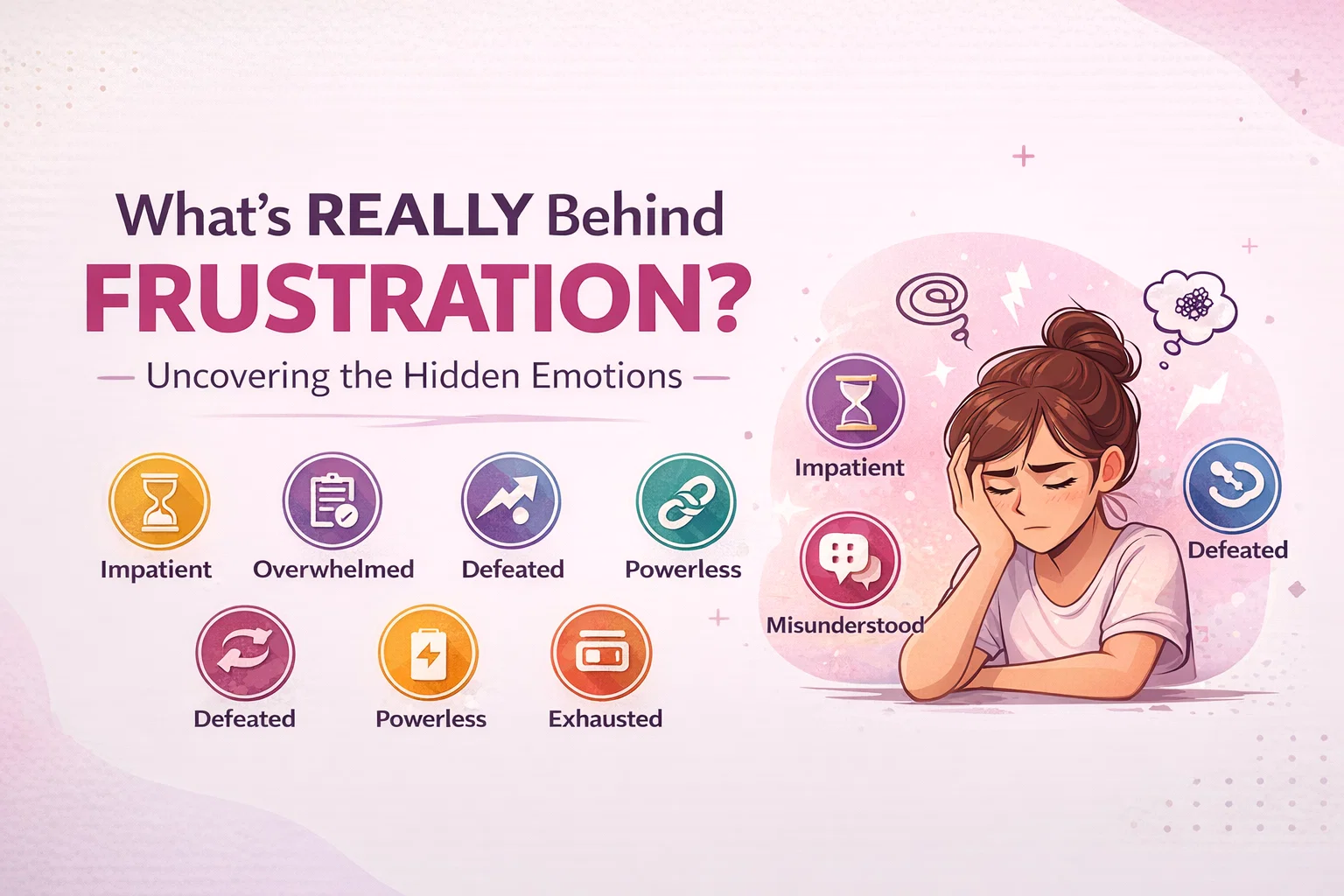
Understanding Frustration 12 Hidden Emotions Behind Your Stress How to Identify Them
Frustration is a universal human experience, yet it remains one of the most misunderstood emotions in our psychological toolkit. We often treat it as a final destination, a wall we hit when things do not go our way. However, if you look closer, frustration is rarely a single, isolated feeling. It acts more like a colorful mask or a protective shield, covering up more vulnerable emotions that we might not be ready to face. By deconstructing what is actually happening beneath the surface, we can transform a moment of agitation into a powerful opportunity for self-discovery and emotional growth.
The Anatomy of Frustration as a Protective Signal
When you feel that familiar heat of frustration rising, your brain is sending you a signal. In psychological terms, frustration is often a secondary emotion. This means it arrives on the scene to protect us from feelings that make us feel exposed or weak. It is much easier for the ego to feel “annoyed” or “impatient” than it is to admit to feeling “defeated” or “unheard.” Understanding this distinction is the first step toward high emotional intelligence. Instead of reacting to the surface level irritation, we can begin to ask what the frustration is trying to guard.
The Role of the Nervous System
Our bodies react to frustration much like they do to physical threats. The sympathetic nervous system kicks in, preparing us for a fight. This physiological response can cloud our judgment, making it difficult to see the nuances of our situation. When we identify the specific root of our frustration, we effectively signal to our nervous system that the threat has been identified and can be managed. This shift from reactive to proactive thinking is essential for maintaining mental wellness in a fast paced world.
Deconstructing the Twelve Shades of Frustration
To truly master your emotions, you must have a diverse vocabulary for them. Generalizing every negative experience as just being frustrated keeps you stuck in a loop. Let us break down the twelve common emotions that often hide behind that prickly exterior.
Impatience and the Need for Speed
Impatience is the specific frustration of wanting things to happen faster than they currently are. In our world of instant gratification, this is a frequent visitor. When you identify impatience, the solution is often found in practicing presence rather than forcing a result. It is a reminder that some processes simply require time to mature.
Overwhelmed: The Weight of Too Much
Feeling overwhelmed occurs when the demands on your time or energy exceed your perceived resources. It is the sensation of having too much to handle at once. When frustration masks overwhelm, the goal should not be to work harder, but to pause and prioritize. Identifying this allows you to set boundaries and break tasks into manageable pieces.
Stuck: The Invisible Barrier
Being stuck is the feeling of being unable to move forward despite significant effort. This is particularly draining because it involves a high output of energy with zero visible progress. Recognizing that you are stuck rather than just angry allows you to seek a new perspective or a different path altogether.
Annoyance and Flow Disruption
Annoyance is often triggered by someone or something disrupting your personal flow. It is a boundary-related emotion. When you are annoyed, your internal rhythm has been interrupted. Acknowledging this helps you communicate your need for focus or space more effectively to those around you.
The Social Dimensions of Frustration
Many of our most intense frustrations occur in the context of our relationships with others. When we feel misaligned with our peers, family, or colleagues, frustration becomes a loud advocate for our social needs.
Misunderstood: The Search for Connection
Feeling like no one gets your experience or point of view is a lonely place to be. This type of frustration is a deep craving for validation and empathy. When you realize you feel misunderstood, you can shift your strategy from being loud to being clear, or seeking out a different audience that is more aligned with your values.
Disrespected and the Violation of Boundaries
Disrespect hits hard because it suggests that your boundaries or needs are being ignored. This brand of frustration is a protective alarm telling you that your self-worth is being challenged. It is a call to reinforce your personal standards and speak up for your right to be treated with dignity.
Dismissed: The Pain of Being Unheard
Being dismissed is similar to being misunderstood, but it carries a heavier weight of being ignored or not taken seriously. This often leads to a cycle of trying harder to be heard, which only increases the exhaustion. Identifying this feeling helps you recognize when a situation or a person is not providing the respect you deserve.
When Frustration Turns Inward
Sometimes the most difficult forms of frustration are the ones we feel toward ourselves or our current life circumstances. These internal pressures can lead to significant mental fatigue if they are not addressed with compassion.
Powerless: The Lack of Control
Powerlessness is one of the most difficult human experiences. It is the feeling of lacking control over what is happening in your life. When frustration masks powerlessness, it often manifests as lashing out. By naming the powerlessness, you can begin to focus on the small things you actually can control, which builds a sense of agency.
Exhausted: The Drained Spirit
Mental and emotional exhaustion often look like a short temper or a lack of motivation. You are not just frustrated; you are empty. Trying to “power through” this type of frustration only leads to burnout. The remedy here is radical rest and self-care rather than more effort.
Judged: The Weight of Unfair Evaluation
Feeling criticized or evaluated unfairly can lead to a defensive type of frustration. We want to protect our image and our efforts. Recognizing that you feel judged allows you to separate your self-worth from the opinions of others and focus on your own internal compass.
Trapped: The Absence of Options
Feeling like there are no good options available creates a claustrophobic type of frustration. It is the feeling of being in a corner. When you identify that you feel trapped, you can begin the slow work of expanding your horizons and looking for unconventional solutions that were previously invisible.
Defeated: The Loss of Hope
Defeat is the heavy frustration that comes after repeated setbacks. It is the moment you feel like giving up. This is perhaps the most vulnerable emotion on the list. Naming defeat allows for the grieving process to begin, which is necessary before hope can be rebuilt.
Strategies for Moving Through Frustration
Once you have identified the core emotion hiding behind your frustration, you can take practical steps to resolve it. Moving through these feelings requires a mix of self-reflection, communication, and sometimes a change in environment.
- Journaling for Clarity: Write down exactly what happened and then look at the list of twelve emotions. Circle the ones that resonate. Often, seeing the word on paper reduces its power over you.
- Mindful Breathing: Since frustration is a physical response, use your breath to calm your nervous system. This creates the mental space needed to analyze your feelings.
- Communicating Needs: Use “I” statements to express the underlying emotion. Instead of saying “You are frustrating me,” try saying “I feel dismissed when my ideas are not considered.”
- Setting Micro-Goals: If you feel overwhelmed or stuck, set a goal so small it is impossible to fail. This helps rebuild your sense of momentum and control.
Conclusion: From Reactive to Resilient
Mastering your emotions is not about never feeling frustrated. It is about changing your relationship with that frustration. When you start viewing it as a protective signal rather than a nuisance, you unlock a wealth of information about your needs, your boundaries, and your desires. By peeling back the layers and identifying the disappointment, powerlessness, or anxiety underneath, you stop being a victim of your moods and start becoming the architect of your emotional landscape. The next time you feel that familiar spark of irritation, take a deep breath and ask what is really going on. The answer might just be the key to your next breakthrough in personal growth and mental wellness.