How to Start Building Discipline Daily Habit Tracker for Beginners
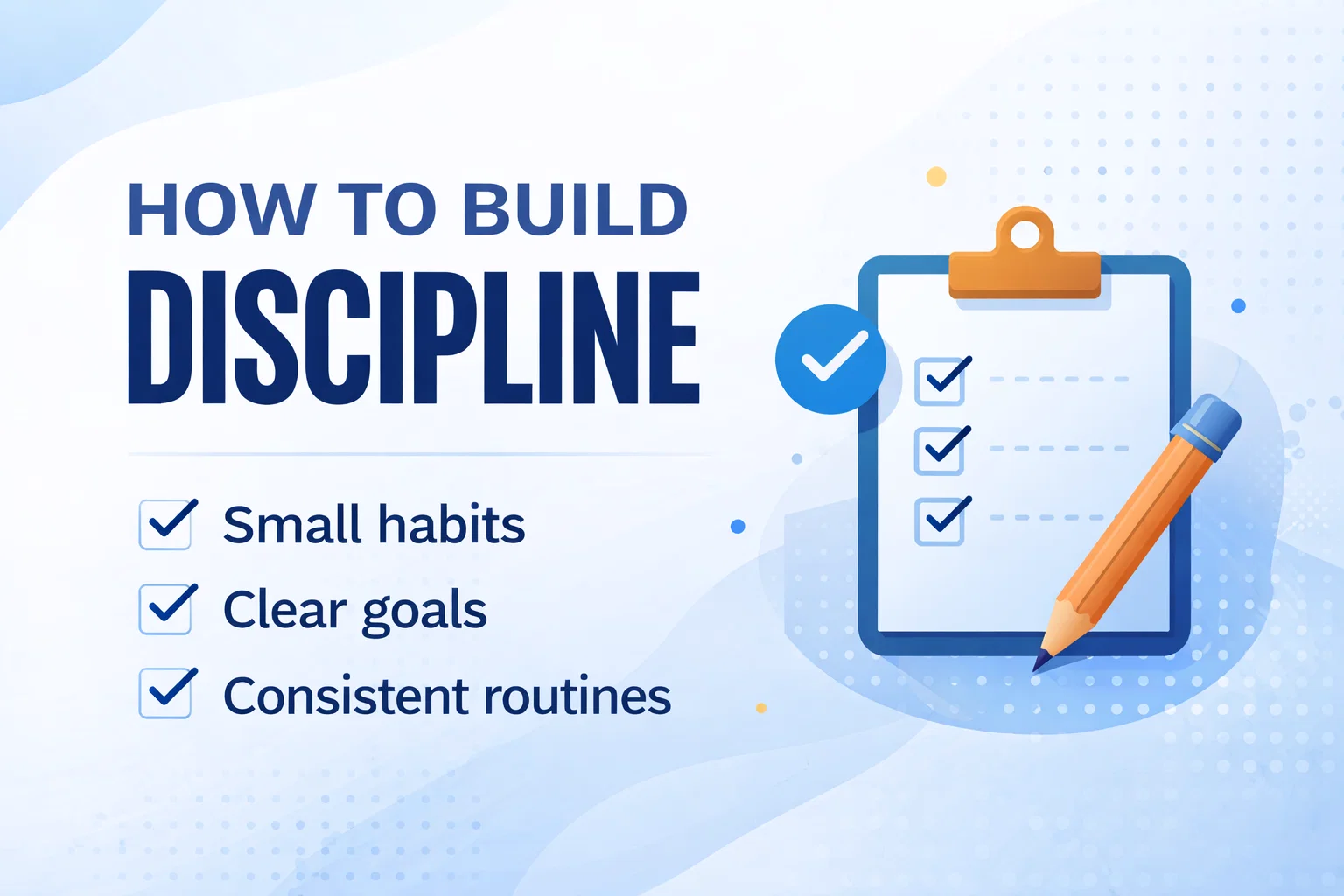
Building discipline is often portrayed as a grueling test of will, a visual of someone waking up at 4:00 AM to run through the rain. But the reality of long-term success is much quieter and far more accessible. It is about the systems we build and the small promises we keep to ourselves every single day. If you have ever felt like you lack the “spark” to get started, the checklist in this guide is your roadmap. We are moving away from the idea that discipline is a personality trait and toward the fact that it is a muscle anyone can grow with the right strategy.
The Philosophy of Small Wins
Most people fail at building new habits because they try to change everything at once. They want to overhaul their diet, start a marathon training plan, and learn a new language all in the same week. This leads to immediate burnout. The core of sustainable discipline is found in the phrase “start for just 5 minutes.” By lowering the barrier to entry, you bypass the brain’s natural resistance to change. When a task feels tiny, your mind has no reason to talk you out of it. This is how you stop overthinking and just begin.
Simplifying Your Environment
Your surroundings dictate your behavior more than you realize. If your desk is cluttered, your mind feels cluttered. Simplifying your space is the first step on the checklist because it removes visual friction. When your environment is organized, your brain can focus on the task at hand rather than the chaos around it. Think of your space as a partner in your productivity. If you want to read more, put a book on your pillow. If you want to work out, lay your clothes out the night before. This is what we call “prepping the night before,” and it is a game-changer for morning momentum.
Psychological Tools for Consistency
Discipline isn’t just about doing the work; it is about how you talk to yourself while you do it. The checklist highlights the importance of “kind self-talk.” When you miss a day or stumble, beating yourself up actually makes it harder to get back on track. Shame is a poor motivator. Instead, treat yourself like a coach would. Acknowledge the slip, analyze why it happened, and move forward. This shift in perspective allows you to let progress be imperfect while still staying committed to the long-term goal.
The Power of Identity-Based Habits
One of the most profound shifts you can make is moving from outcome-based goals to identity-based habits. Instead of saying “I want to run a 5k,” tell yourself “I am a runner.” When you view a habit as part of who you are, you are much more likely to follow through. This is why the checklist suggests saying “I don’t” instead of “I can’t.” Saying “I can’t eat that” implies a struggle against a restriction. Saying “I don’t eat that” implies a firm boundary based on who you are. It is a subtle linguistic shift that provides a massive boost to your willpower.
Tactical Strategies for Daily Success
To make discipline stick, you need practical tools that handle the heavy lifting for you. Habit stacking is one of the most effective methods mentioned. This involves taking a habit you already have, like brushing your teeth, and “stacking” a new habit on top of it, like doing five air squats. You are leveraging an existing neural pathway to build a new one. It makes the new behavior feel like a natural extension of your day rather than an extra chore.
Managing Digital Distractions
We live in an era of constant interruption. The checklist’s advice to “put your phone away” is not just about avoiding social media; it is about protecting your deep work state. Every time you check a notification, it takes significantly longer to regain your original level of focus. By physically removing the phone from your sight and using a timer to stay focused, you create a sanctuary for your mind to do its best work. This is where real discipline is forged, in the quiet moments of undistracted effort.
Designing for Resistance
There will be days when your energy is low and your motivation is non-existent. This is where “low-energy backup plans” come into play. Discipline isn’t about being a superhero every day; it is about never skipping twice. If your goal is a 30-minute workout but you are exhausted, your backup plan might be a 5-minute stretch. You are still showing up for the habit, which keeps the streak alive in your mind. This maintains the “identity” of being someone who exercises, even if the intensity varies.
Adding Friction to Bad Habits
Just as we want to make good habits easy, we want to make bad habits difficult. This is “adding friction.” If you spend too much time on TV, unplug it and put the remote in another room. If you snack on junk food, don’t keep it in the house. By adding just two or three extra steps to a negative behavior, you give your logical brain a chance to catch up with your impulsive brain and make a better choice.
Tracking and Celebrating Growth
Humans are visual creatures. We love to see progress. “Tracking progress visually” on a calendar or a dedicated tracker provides a hit of dopamine every time you check off a box. It turns your discipline into a game. You start to protect the “streak” because you don’t want to see a gap in your progress. This visual feedback loop is essential for the early stages of habit formation when the internal results aren’t yet visible in the mirror or the bank account.
- Follow through on small promises: Every time you do what you said you would do, you build self-trust.
- Eat before tough tasks: Decision fatigue is real; don’t try to be disciplined on an empty stomach.
- Pair habits with something fun: Listen to your favorite podcast only while you are cleaning the kitchen.
- Set start and stop times: Work expands to fill the time available; give yourself a deadline.
The Long-Term Vision
Discipline is ultimately about “picturing the person you are becoming.” It is a bridge between who you are now and who you want to be. When the daily tasks feel mundane, reconnect with your “why.” Keep that reason visible, whether it is a photo, a quote, or a note in your planner. This high-level perspective helps you navigate the “middle” phase of habit building, where the initial excitement has worn off but the results haven’t fully arrived yet.
Refining Your Weekly Plan
Building discipline is a proactive process, not a reactive one. “Planning your week ahead” allows you to anticipate obstacles before they happen. If you know Thursday is going to be a late night at the office, you can plan your workout for Wednesday morning. This level of intentionality removes the need for willpower in the moment because the decision has already been made. You are simply following the script you wrote for yourself when you were calm and focused.
Conclusion: The Path Forward
Building discipline is a journey of a thousand tiny steps. It is not about being perfect; it is about being consistent. By using the strategies outlined in this guide, you are not just checking boxes on a list; you are rewriting the story of what you are capable of achieving. Start today with one small habit. Set your timer for five minutes. Put your phone in the other room. Each small action is a vote for the person you want to become. Trust the process, embrace the imperfect progress, and watch as these small daily wins transform into a life of purpose and achievement. You have the tools, you have the plan, and now it is time to just begin.