Hormone Balance Foods for PCOS Anti-Inflammatory Nutrition Fertility Support Guide
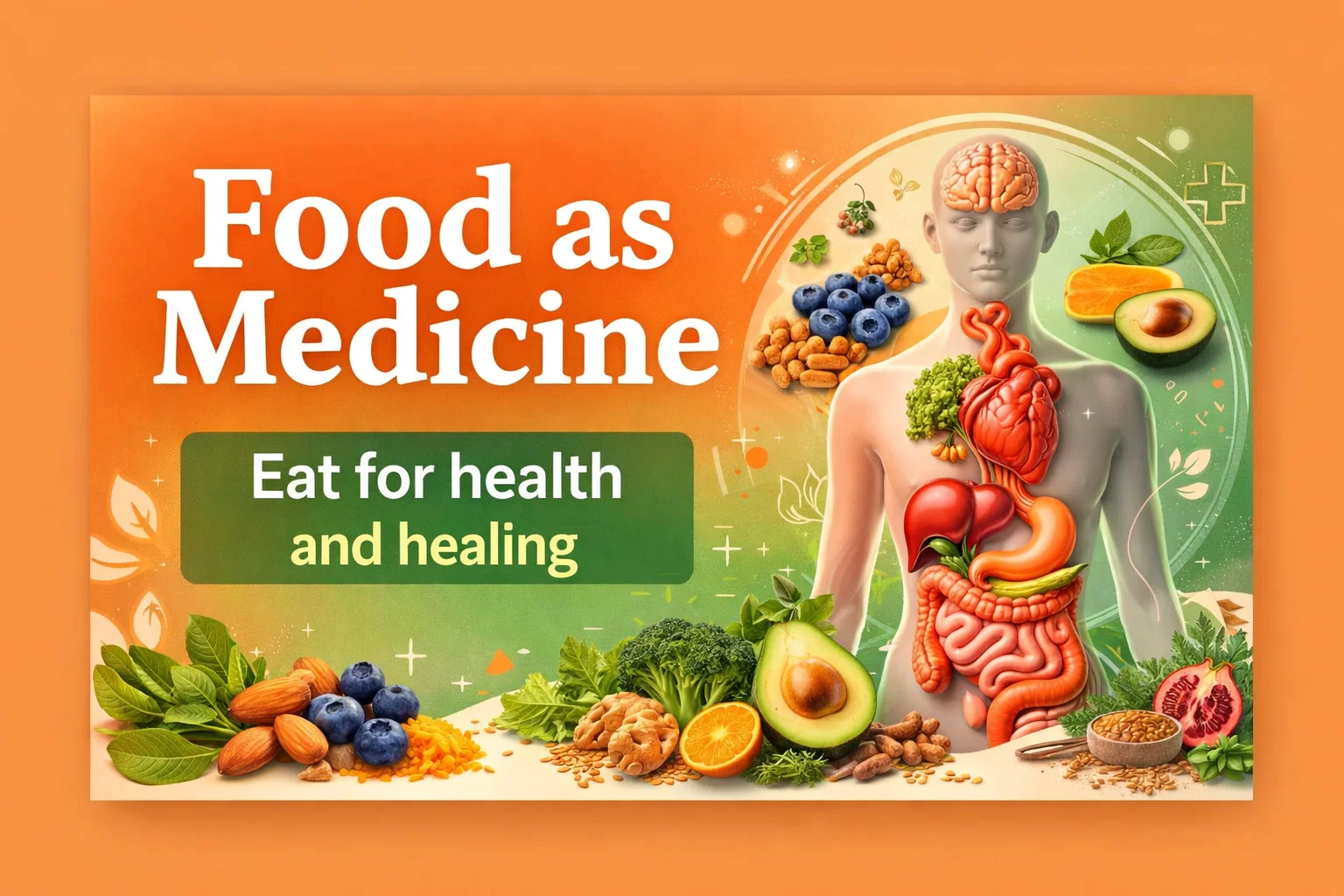
In a world where we often look to the pharmacy for solutions to our health woes, there is an incredible, age-old secret hiding right in our kitchens. The concept of food as medicine is not just a trendy catchphrase; it is a fundamental biological truth. Our bodies are complex machines that require specific high-quality fuels to function at their peak. When we align our nutritional intake with the specific needs of our organs, we unlock a level of vitality that no synthetic supplement can match. This guide explores the fascinating connection between the colorful produce in your grocery cart and the intricate systems working inside you right now.
The Brain and Cognitive Fuel: Sharpening the Mind
The human brain is an energy-hungry organ, consuming about twenty percent of the body’s total calories. To keep your cognitive functions sharp and prevent the dreaded brain fog, you need neuro-protective nutrients. Walnuts are perhaps the most visual reminder of this connection, as their shape uncannily resembles the human brain. They are packed with omega-3 fatty acids, which are essential for maintaining the structural integrity of neurons.
Superfoods for Mental Clarity
Blueberries are often called brain berries because they contain anthocyanins, which have antioxidant and anti-inflammatory effects. These compounds act against oxidative stress and inflammation, conditions that can contribute to brain aging and neurodegenerative diseases. Adding a sprinkle of flaxseeds to your morning oatmeal provides a boost of alpha-linolenic acid, further supporting your memory and mood regulation. Turmeric, with its active compound curcumin, has been shown to cross the blood-brain barrier and provide potent anti-inflammatory benefits that may help in clearing plaques associated with cognitive decline.
Vision and Eye Health: Protecting Your Internal Lens
We often take our eyesight for granted until it begins to fade. However, the eyes are highly susceptible to damage from blue light and environmental pollutants. The secret to vibrant vision lies in carotenoids like beta-carotene, lutein, and zeaxanthin. Carrots and sweet potatoes are famous for their orange hue, a direct indicator of high beta-carotene levels which the body converts into Vitamin A. This vitamin is crucial for maintaining a clear cornea and allowing you to see in low light conditions.
Leafy Greens and Citrus for Longevity
Spinach and kale are not just for muscle building; they are elite protectors for your macula. These greens act as an internal sunblock, filtering out harmful light waves. Meanwhile, oranges and blueberries provide the Vitamin C and antioxidants necessary to maintain the delicate blood vessels in the eyes, reducing the risk of cataracts and age-related macular degeneration. Integrating these vibrant colors into your daily diet ensures that your vision remains crisp well into your later years.
The Heart: The Engine of Vitality
Your heart beats about 100,000 times a day, pumping life-sustaining blood to every corner of your body. Supporting this tireless worker requires a diet rich in heart-healthy minerals and phytonutrients. Tomatoes are a standout here, specifically because of lycopene. Lycopene is a powerful antioxidant that helps lower bad cholesterol and keep blood pressure in check. Interestingly, cooking tomatoes actually increases the bioavailability of lycopene, making tomato sauces a heart-healthy staple.
Circulation and Blood Health
Beets are another cardiovascular powerhouse. They are rich in nitrates, which the body converts into nitric oxide. This molecule relaxes and dilates blood vessels, improving circulation and athletic performance. Pomegranates and garlic work in tandem to prevent arterial stiffness and reduce the buildup of plaque. By consuming a variety of leafy greens and red fruits, you are essentially providing your heart with the tools it needs to maintain a rhythmic, powerful beat.
The Gut Connection: Digestion and Nutrient Absorption
The stomach and intestines are often referred to as the second brain. If your digestion is off, your entire system suffers. Fiber is the unsung hero of the digestive tract. Foods like oats, pumpkin, and bananas provide the bulk needed for smooth transit, while also acting as prebiotics that feed the beneficial bacteria in your microbiome. Ginger is a legendary root for the stomach, known for its ability to soothe nausea and stimulate digestive enzymes.
Healing the Intestinal Lining
For those dealing with bloating or irregularity, focusing on fiber-rich foods like whole grains, onions, and asparagus is vital. These foods help maintain the integrity of the intestinal lining, preventing systemic inflammation. Aloe vera and herbal teas can provide a soothing effect on the stomach lining, making it easier for your body to extract the vitamins and minerals from the food you consume. A happy gut leads to a stronger immune system and improved mental health.
The Endocrine System: Thyroid and Hormonal Balance
The thyroid gland is a tiny, butterfly-shaped organ in your neck that controls your metabolism. It is incredibly sensitive to mineral deficiencies, particularly iodine. Seaweed is one of the best natural sources of iodine available. When combined with selenium-rich sesame seeds and the alkalizing power of lemon, you create an internal environment where your hormones can thrive. Avoiding processed salts in favor of iodized salt or sea minerals can make a world of difference in your energy levels and weight management.
Liver Detoxification: Your Natural Filter
The liver is responsible for over 500 vital functions, including detoxifying the blood and processing nutrients. In our modern world, the liver is often overworked due to environmental toxins and processed foods. To support this hard-working organ, you need cruciferous vegetables. Broccoli and beans are excellent for providing the fiber and sulfur compounds necessary for phase two detoxification.
Green Support for Regeneration
Avocados and leafy greens provide glutathione, often called the master antioxidant, which helps the liver filter out harmful substances. Adding turmeric to your meals can help reduce liver inflammation and stimulate bile production, which is essential for fat digestion. By eating a diet rich in these greens and healthy fats, you allow your liver to regenerate and function efficiently, leading to clearer skin and higher energy.
Reproductive Health: Supporting the Uterus and Pancreas
For women, reproductive health is closely tied to hormonal fluctuations and blood sugar stability. The pancreas plays a critical role in managing insulin, which in turn affects ovarian health. Sweet potatoes and ginger help stabilize blood sugar levels, preventing the insulin spikes that can lead to hormonal imbalances. Flaxseeds are particularly beneficial for the uterus as they contain lignans, which help balance estrogen levels in the body.
Fertility and Hormonal Nourishment
Pomegranates, lentils, and kale provide the folate and iron necessary for a healthy reproductive system. Sesame seeds are a great source of zinc and calcium, supporting bone density and hormonal synthesis. Whether you are focused on fertility or simply want to manage your monthly cycle with less discomfort, these nutrient-dense foods provide the foundation for hormonal harmony.
The Power of Healthy Fats and Mushrooms
Not all fats are created equal. The body requires healthy fats to absorb fat-soluble vitamins like A, D, E, and K. Olive oil, nuts, and avocados are essential for cellular health and glowing skin. These fats provide the building blocks for cell membranes and hormones. On the other side of the nutritional spectrum, medicinal mushrooms like Shiitake, Reishi, and Maitake offer incredible immune-boosting properties. They contain beta-glucans that “train” the immune system to respond more effectively to threats.
Incorporating Medicinal Fungi
Adding mushrooms to your diet is like giving your immune system a sophisticated software update. They help manage stress through their adaptogenic qualities and provide a unique savory flavor to meals without the need for excess sodium. When you combine healthy fats with these powerful fungi, you create a meal that is both satisfying and deeply therapeutic.
Conclusion: Building Your Plate for a Vibrant Life
Transitioning to a food-as-medicine lifestyle doesn’t require a radical overnight overhaul. Instead, it starts with a shift in perspective. Every time you sit down to eat, you have an opportunity to nourish a specific part of yourself. Whether you are reaching for walnuts to boost your focus or sipping ginger tea to calm your stomach, you are taking an active role in your own healthcare. The vibrant colors of fruits and vegetables are not just for show; they are biological signals of the medicine contained within. By prioritizing whole, unprocessed foods and listening to the needs of your body, you can create a foundation of health that lasts a lifetime. Remember, the most powerful tool you have for changing your health is your fork. Start small, eat seasonally, and enjoy the journey toward a more vibrant, energized version of you.