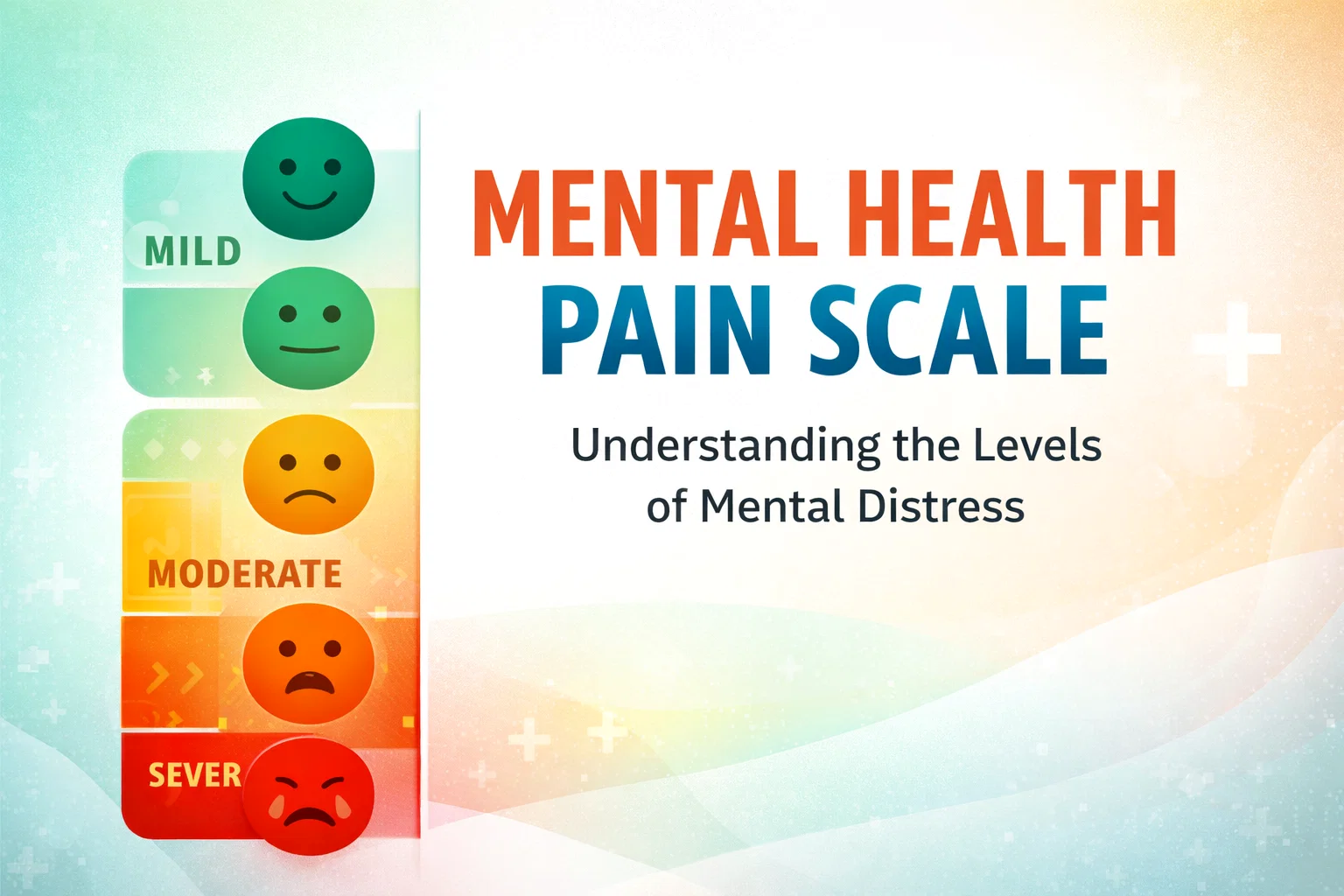
1-10 Mental Health Pain Scale Infographic Understanding Your Emotional Wellbeing Guide
Understanding our internal landscape is often the hardest part of personal growth. We are taught from a young age how to describe physical pain, whether it is a sharp sting or a dull ache, but we rarely receive the same education for our emotional wellbeing. The mental health pain scale serves as a vital bridge between feeling overwhelmed and finding the words to explain why. By breaking down the complex spectrum of human emotion into a manageable 1 to 10 system, we can begin to treat our mental health with the same urgency and care as our physical bodies.
Defining the Mild Range: Levels 1 through 3
The green zone of the mental health scale represents our baseline. At level 1, everything feels aligned. This is the state of flow where challenges feel like opportunities and your energy is consistent. However, mental health is dynamic, and level 2 introduces the normal fluctuations of life. You might experience a restless night of sleep or a brief moment of irritation that passes quickly. These are not signs of a crisis but rather the natural ebb and flow of being human.
The Emotional Headache
Level 3 is what many professionals call the emotional equivalent of a headache. Just as you might take an aspirin and rest your eyes for a physical headache, level 3 requires a minor intervention. You might feel slightly withdrawn or less talkative than usual. Recognizing this stage is crucial because it is the earliest point where proactive self-care can prevent a slide into more difficult territory. It is a signal to slow down, hydrate, and perhaps spend a quiet evening at home.
Navigating Moderate Distress: Levels 4 through 6
When we move into the orange and yellow zones, the impact on daily life becomes more noticeable. Level 4 is often described as simply having a bad day. You might feel a lingering sense of loneliness or sadness that doesn’t immediately dissipate with a good meal or a distraction. At this stage, your resilience is being tested, and it takes more conscious effort to stay present and engaged with your responsibilities.
The Rise of Irritability and Nervousness
Level 5 marks a shift toward agitation. Nervousness and irritability start to color your interactions. You might find yourself snapping at loved ones or feeling a flutter of anxiety in your chest for no specific reason. This is a significant indicator that your nervous system is becoming overtaxed. It is no longer just a bad day; it is a state of being that requires intentional grounding exercises or perhaps a conversation with a trusted friend to vent the pressure.
The Barrier to Daily Functioning
Level 6 is a critical turning point. This is where you start to notice that you cannot seem to do the things you usually do. Maybe the laundry is piling up, or you find yourself staring at a computer screen for hours without completing a single task. The feeling of being unsettled and anxious becomes a constant companion. At level 6, your mental health is actively interfering with your productivity and your ability to enjoy your hobbies. This is often the loudest wake up call for many people to seek external support.
Identifying Severe Struggles: Levels 7 through 10
The red zone represents a state of emergency for the mind. At level 7, social withdrawal is no longer a choice but a defense mechanism. You might find yourself constantly avoiding social invitations, ignoring phone calls, and feeling a deep sense of exhaustion that sleep cannot fix. This isolation often feeds into a cycle of loneliness, making the climb back down the scale feel increasingly difficult.
When Every Part of Life is Affected
Level 8 is characterized by a visible struggle in all areas of life. Difficulty sleeping, eating, and working are the primary markers here. When your basic biological functions are disrupted by your mental state, it is a sign that your system is under immense duress. You might feel like you are moving through molasses, where every small action requires a monumental amount of willpower. At this stage, professional intervention is often necessary to help stabilize your environment and your internal state.
Reaching the Critical Point and Meltdown
Level 9 is the breaking point. This is a state of total meltdown where functioning is no longer possible. The emotions are so loud and all consuming that they drown out logic and reason. You may feel a sense of hopelessness or a complete loss of control over your reactions. It is a painful and frightening place to be, but it is important to remember that even at level 9, recovery is possible with the right resources and support systems in place.
The Importance of Immediate Care
Level 10 represents ultimate mental, emotional, and physical distress. At this peak, you can no longer take care of yourself. This is a crisis that requires immediate attention from medical or mental health professionals. Just as a physical injury that prevents self-care would require an emergency room visit, a level 10 mental health day requires a safe environment where experts can provide the necessary stabilization and care. Recognizing level 10 is about honoring the severity of your pain and allowing others to step in and help carry the burden.
Using the Scale for Better Communication
One of the greatest benefits of the mental health pain scale is its ability to facilitate communication. It can be incredibly difficult to tell a partner or a boss that you are struggling without feeling like you are oversharing or being dramatic. By using a numbered scale, you can provide a quick and clear update on your capacity. Saying “I am at a level 6 today” conveys a wealth of information about your needs without requiring a long, exhausting explanation of your symptoms.
Building a Vocabulary for Wellness
When we use tools like this scale, we are building a more robust vocabulary for our wellness. This language allows us to track patterns. If you notice that you consistently hit a level 5 every Tuesday, you might realize that a specific weekly meeting is a major stressor. This data driven approach to mental health helps demystify our moods and gives us back a sense of agency. We are no longer victims of unpredictable emotions; we are observers of our own mental patterns.
Natural Strategies for Managing the Scale
As we move between these levels, there are various natural strategies we can employ to help nudge ourselves back toward the green zone. For the mild range, simple lifestyle adjustments like increasing outdoor time, practicing mindfulness, and ensuring consistent sleep hygiene can be incredibly effective. Nature has a profound way of grounding the nervous system and reminding us of the larger cycles of life beyond our immediate stresses.
The Power of Routine and Herbal Support
In the moderate range, more structured interventions may be helpful. Establishing a predictable daily routine can provide a sense of safety when internal feelings are chaotic. Additionally, exploring natural supports like calming herbal teas or magnesium supplements can help manage the physical symptoms of nervousness and irritability. Of course, it is always wise to consult with a professional before adding new supplements to your routine, but many find that gentle, natural remedies offer a helpful boost during those difficult level 5 and 6 days.
Creating a Mental Health First Aid Kit
Every home has a first aid kit for cuts and bruises, and we should all have one for our mental health as well. This kit doesn’t have to be physical. It can be a list of go to activities that help you de-escalate when you feel yourself moving up the scale. This might include a specific playlist of music, a favorite book, a heavy blanket, or the phone number of a friend who is a particularly good listener. Having these resources identified before you reach a level 7 or 8 ensures that you have a plan in place when your decision making abilities are clouded by distress.
Journaling and Self-Reflection
Journaling is a powerful tool for navigating the mental health scale. By writing down your thoughts and noting your “number” each day, you create a historical record of your resilience. On days when you are at a level 2, you can look back at the times you were at a level 7 and remind yourself that you are capable of getting through the hard parts. This perspective is vital for maintaining hope during the darker periods of the human experience.
The Path Toward Long Term Balance
The goal of understanding the mental health pain scale is not to stay at level 1 every day. That is an impossible standard that leads to further frustration. Instead, the goal is to develop the awareness and the tools to navigate the full range of the scale with grace and self-compassion. When we stop judging ourselves for being at a level 4 or a level 8, we free up the energy we need to actually move toward healing.
Final Thoughts on Emotional Awareness
Your mental health is just as real as your physical health, and your pain deserves to be acknowledged. Whether you are currently enjoying the peace of level 1 or navigating the storm of level 9, please know that your feelings are valid and you are not alone. By using tools like the mental health pain scale, we can take the mystery out of our moods and begin to build a life that honors our emotional needs. Take a moment today to check in with yourself. What number are you at? What is one small thing you can do to support yourself at that level? Remember that every small step toward self-awareness is a victory in the journey of wellness.