How to Lower Cortisol Levels at Night for Better Sleep and Stress Relief
Have you ever found yourself lying wide awake at three in the morning, staring at the ceiling while your mind races through every conversation you had three years ago? It is a frustrating cycle that many of us know all too well. You try the classic tricks like sipping chamomile tea, hiding your phone in another room, or even counting sheep until you lose track, yet sleep remains elusive. The culprit behind these restless nights is often a spike in cortisol, the body’s primary stress hormone. When cortisol levels stay high during the hours you should be resting, your nervous system remains in a state of high alert, making true relaxation nearly impossible. Moving beyond surface level fixes requires a deeper look at how we can actually regulate these internal signals to reclaim our peace of night.
The Science of the Midnight Cortisol Spike
To understand why traditional relaxation methods sometimes fail, we have to look at the biological rhythm of the human body. Under normal circumstances, cortisol should be at its lowest point around midnight, allowing melatonin to take the lead and usher you into deep sleep. However, modern lifestyles, chronic stress, and poor dietary habits can flip this switch. When your body perceives a constant state of emergency, it pumps out cortisol at the wrong times. This creates a wired but tired sensation where your muscles feel heavy, but your brain is clicking at a hundred miles per hour. This is not just a lack of willpower; it is a chemical imbalance that needs a physical solution.
Why Melatonin and Hot Baths Often Fall Short
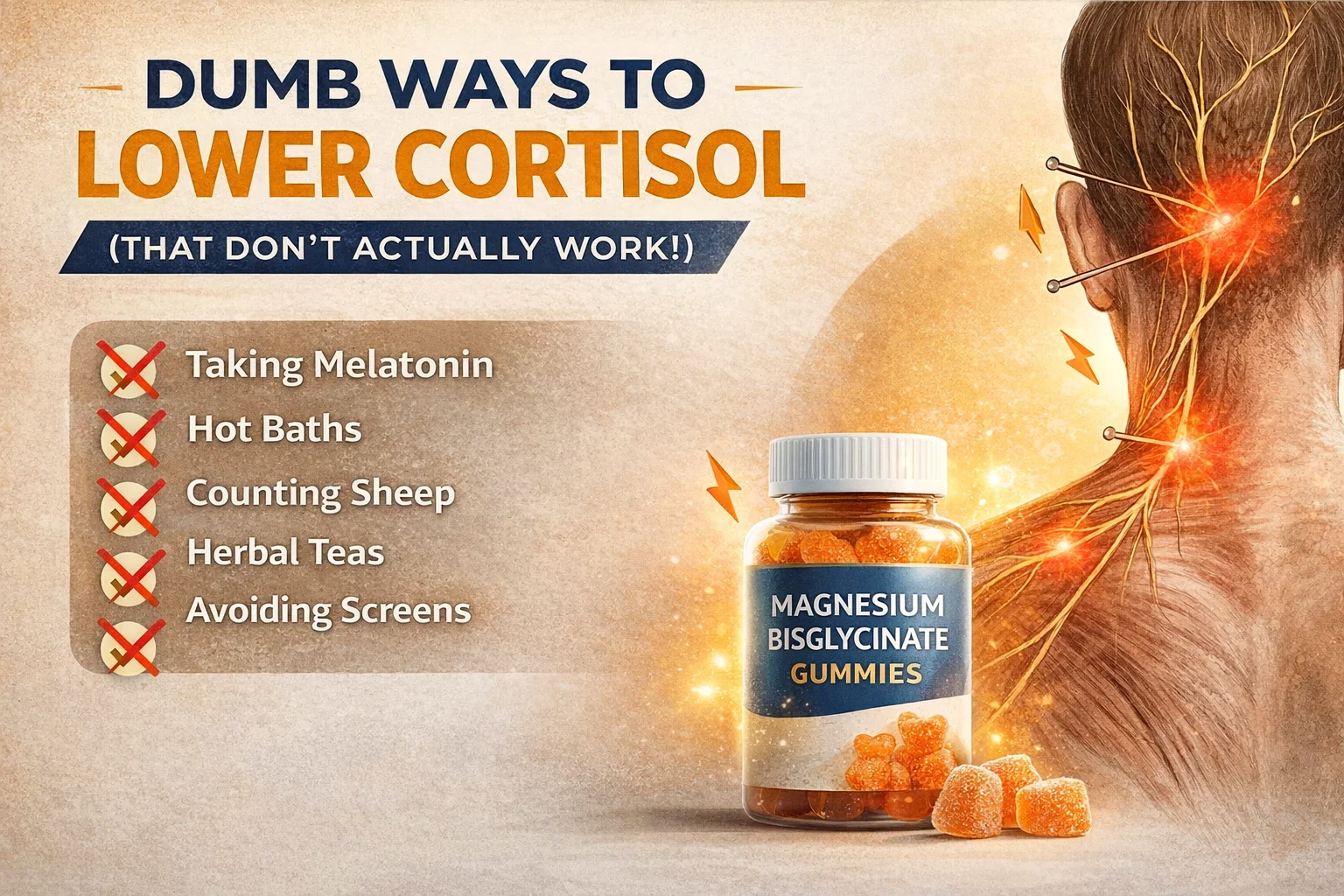
Many people reach for melatonin supplements the moment they struggle with sleep. While melatonin is a vital hormone, taking it as a supplement only addresses the sleep signal, not the underlying stress signal. If your cortisol is high, it acts like a loud siren that drowns out the quiet whisper of melatonin. Similarly, while a hot bath feels wonderful in the moment, it primarily relaxes the surface muscles and does little to quiet the adrenal glands. To stop the 3am wake-up calls, you need to address the nervous system from the inside out. This is where specific minerals play a starring role in hormonal regulation.
Introducing Magnesium Bisglycinate: The Relaxation Mineral
If you have explored the world of natural health, you have likely heard of magnesium. However, not all forms of this mineral are created equal. Magnesium bisglycinate is a specific form where magnesium is bound to glycine, an amino acid known for its calming effects on the brain. This combination is a powerhouse for anyone dealing with high stress and poor sleep quality. Because it is highly bioavailable, your body can absorb it efficiently without the digestive upset often associated with cheaper forms like magnesium oxide. It works by sticking to GABA receptors in the brain, which effectively tells your nervous system that it is safe to turn off for the night.
The One Week Mark: Switching Off the Mind
The beauty of starting a targeted magnesium routine is that the results often build over time. In the first week, most people notice a significant shift in their ability to transition from a busy day to a restful evening. Instead of the usual mental chatter that begins the moment your head hits the pillow, you might find that your thoughts feel heavier and less intrusive. This initial phase is all about lowering the baseline of your central nervous system. By providing the body with the tools it needs to regulate stress hormones, you are essentially giving your brain permission to exit the fight or flight mode that characterizes a stressful workday.
Two Weeks In: Ending the 3am Wake-Up Cycle
The dreaded 3am wake-up is usually caused by a drop in blood sugar or a sudden surge in cortisol as the liver tries to manage energy levels. By the second week of consistent supplementation, your mineral levels begin to stabilize. This consistency helps prevent those sharp hormonal spikes in the middle of the night. Users often report that even if they do wake up to use the restroom, they are able to fall back asleep almost instantly rather than lying awake for hours. This is a sign that your adrenal glands are beginning to find their natural rhythm again.
How to Incorporate Magnesium Gummies into Your Routine
While pills and powders are common, magnesium bisglycinate gummies have become a favorite for many because they turn a health chore into a small evening treat. Consistency is the most important factor when trying to lower cortisol. Having a delicious gummy waiting for you as part of your nighttime ritual makes it much easier to stick to the plan. Taking two gummies approximately thirty to sixty minutes before bed provides a steady stream of glycine and magnesium to prepare your body for the various stages of sleep. It becomes a psychological cue as much as a physical one, signaling to your brain that the day is officially over.
Creating a Holistic Sleep Sanctuary
While magnesium is a incredible tool, it works best when supported by a solid environment. Think of your bedroom as a sanctuary for recovery. Dimming the lights an hour before bed helps stimulate natural melatonin production, while keeping the room cool encourages the drop in core body temperature necessary for deep sleep. When you combine these environmental cues with the internal support of magnesium bisglycinate, you create a dual approach that cortisol simply cannot ignore. It is about stacking the deck in your favor so that sleep becomes an automatic process rather than a nightly struggle.
The Importance of Bioavailability and Quality
When choosing a supplement, the form matters more than the dosage on the label. Many standard supplements use magnesium citrate or oxide, which can have a laxative effect and are not as effective at crossing the blood-brain barrier. Bisglycinate is specifically chosen for its ability to impact neurological health and muscle relaxation simultaneously. By choosing a high quality gummy form, you ensure that you are getting a dose that actually reaches your cells. This efficiency is why many people see dramatic results in their sleep quality within just a month of consistent use.
Long Term Benefits of Lower Cortisol
Lowering your cortisol levels does much more than just help you sleep. Chronic high cortisol is linked to inflammation, weight gain around the midsection, and a weakened immune system. By addressing your sleep health, you are actually investing in your long term longevity. When you wake up feeling calm and refreshed, you have better emotional regulation throughout the day, which prevents you from feeling as stressed by minor inconveniences. It creates a positive feedback loop: better sleep leads to less stress, and less stress leads to even better sleep.
The Four Week Transformation: Waking Up Calm
By the time you reach a full month of supporting your nervous system, the transformation is often profound. This is the stage where you stop thinking about your sleep and simply start enjoying it. Waking up before your alarm with a sense of clarity and ease is a world away from the groggy, frantic feeling of a cortisol-heavy morning. Your body has had twenty eight days of deep, restorative cycles, allowing it to repair tissues, balance hormones, and clear out metabolic waste from the brain. This is what true wellness feels like: a body that functions in harmony with its natural cycles.
Final Thoughts on Reclaiming Your Rest
Living in a constant state of high stress has become normalized in our culture, but it does not have to be your personal reality. If you have tried the basic tips and still find yourself struggling, it is time to look at the chemistry of your stress response. Magnesium bisglycinate offers a gentle, effective, and natural way to quiet the internal noise and give your body the deep rest it deserves. By making small, consistent changes to your evening routine, you can break the cycle of exhaustion and finally experience the joy of a full night of sleep. Your health, your mood, and your energy levels will thank you for it. So, take a deep breath, prioritize your minerals, and get ready to finally sleep through the night.