20 Brutal Truths for Living Well in Your 70s Essential Senior Health Longevity Tips
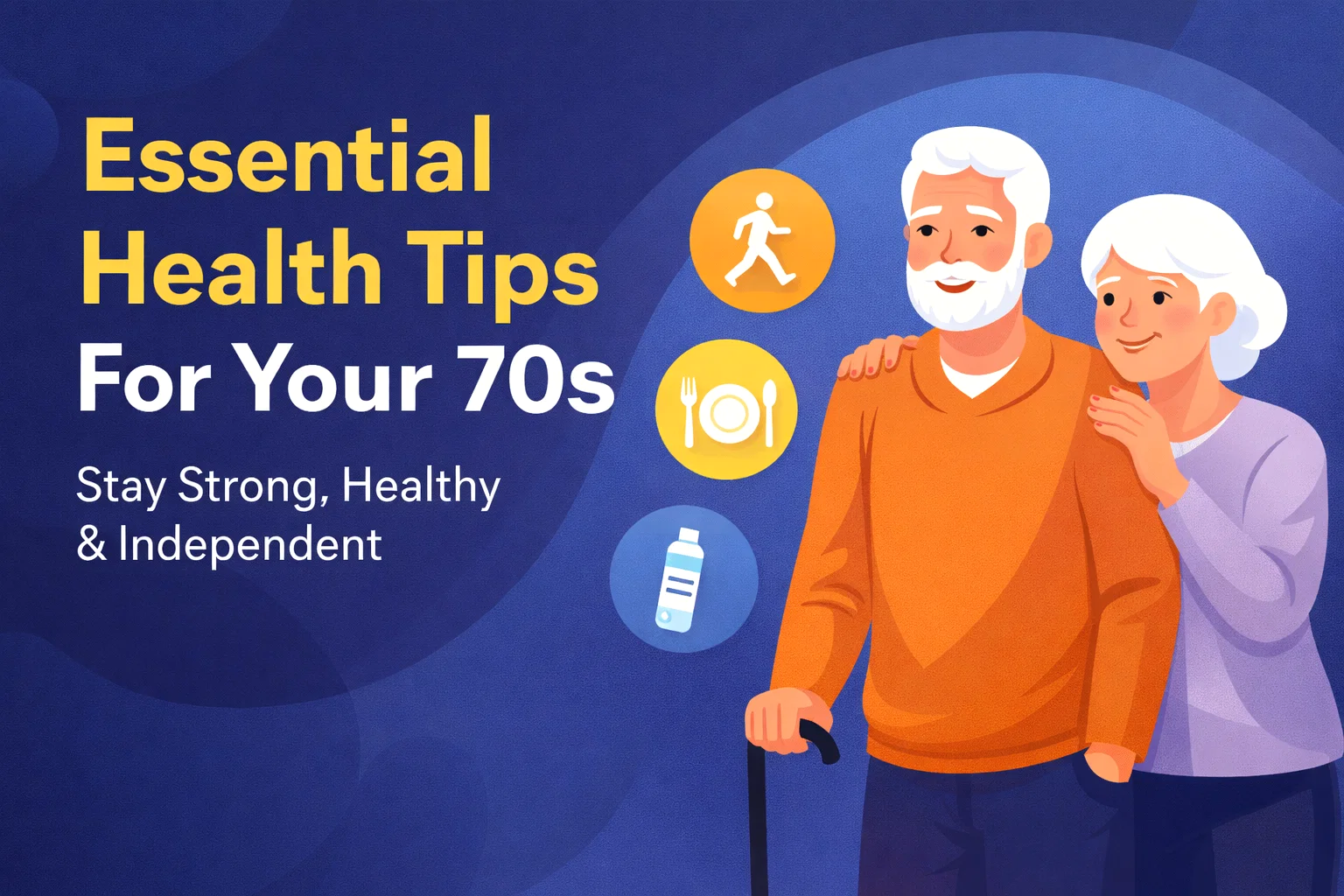
Embracing your 70s is not about slowing down; it is about shifting gears to ensure the ride stays smooth, vibrant, and fulfilling. Many people view this decade with a sense of trepidation, but with the right roadmap, these years can be some of the most rewarding of your life. The image we are analyzing today offers what it calls “brutal advice,” but in reality, these are the golden rules of longevity. They are the small, non-negotiable habits that separate a life of restriction from a life of freedom. If you want to maintain your independence, keep your mind sharp, and wake up feeling capable every single day, it is time to look closely at the daily rituals that define your physical and mental health.
The Foundation of Mobility: Protecting Your Movement
One of the most significant challenges as we cross the threshold into our 70s is the gradual loss of balance and muscle mass. However, this is not an inevitable slide into frailty. It is a biological process that can be managed and even reversed with consistent effort. The advice to walk a little every day is perhaps the most powerful tool in your arsenal. Walking is not just about cardiovascular health; it is about proprioception, which is your body’s ability to sense its position in space. By walking on different surfaces, you are training your brain and your nervous system to stay alert, significantly reducing the risk of stumbles.
Stretching and Morning Stiffness
Do you wake up feeling like your joints are made of rusted iron? That morning stiffness is often a result of decreased synovial fluid circulation during sleep. Incorporating a gentle stretching routine as soon as you get out of bed acts like oil for your joints. You do not need to be a yoga master to benefit from this. Simple reaches, neck rotations, and ankle circles tell your body that it is time to move. This habit reduces the tension in your muscles and prepares your fascia for the day ahead, making every subsequent movement feel easier and less painful.
Strengthening the Lower Body and Grip
Falls are one of the leading causes of injury for seniors, but they are largely preventable through targeted strength training. Your legs are the pillars of your independence. Strengthening your quadriceps, hamstrings, and calves through simple chair squats or heel raises provides the stability needed to navigate stairs and uneven sidewalks. Equally important is your grip strength. Science has shown a direct correlation between grip strength and overall longevity. A strong grip means you can open jars, carry groceries, and, most importantly, catch yourself if you do lose your balance. These are the functional movements that keep you in your own home longer.
Fueling the Silver Decade: Nutrition and Digestion
As we age, our metabolism shifts and our digestive system becomes more sensitive. The “brutal truth” here is that you can no longer eat like a teenager and expect to feel great. Transitioning to smaller, lighter meals is a strategy for sustained energy. Large, heavy meals require a massive amount of blood flow to the gut for digestion, which can leave you feeling lethargic and bloated. By eating smaller portions more frequently, you maintain steady blood sugar levels and avoid the “food coma” that often follows a heavy Sunday roast.
The Critical Role of Protein
Sarcopenia, the age related loss of skeletal muscle mass, is a silent thief of vitality. To combat this, you must increase your protein intake. Many seniors inadvertently lower their protein consumption just when they need it most. Protein provides the amino acids necessary to repair tissues and maintain the muscle you have worked so hard to build. Whether it is lean meats, beans, Greek yogurt, or a high quality protein shake, ensuring every meal has a protein source is essential for staying strong and resilient.
Hydration Beyond Thirst
Did you know that the thirst mechanism becomes less sensitive as you age? By the time you feel thirsty, you are likely already dehydrated. Dehydration in your 70s can lead to confusion, urinary tract infections, and increased fatigue. This is why the advice to drink water on a schedule is so vital. Carry a reusable bottle and aim for specific milestones throughout the day. Hydrating your cells keeps your skin resilient, your digestion moving, and your brain functioning at its peak. Do not wait for your body to scream for water; give it what it needs before it asks.
Mastering the Internal Clock: Sleep and Recovery
Sleep architecture changes as we get older. You might find yourself waking up earlier or having trouble staying asleep through the night. Protecting your sleep is not a luxury; it is a biological necessity for cognitive health and physical repair. The brain uses sleep to flush out toxins and consolidate memories. To get the best rest possible, you must honor your body’s natural rhythm. This means getting morning sunlight as soon as possible after waking up. Sunlight helps regulate your circadian rhythm by suppressing melatonin in the morning and setting a timer for its release in the evening.
The Power of a Quiet Evening
Just as your morning routine sets the tone for the day, your evening routine sets the stage for recovery. Keeping your evenings quiet and low-stimulant allows your nervous system to shift from “fight or flight” mode into “rest and digest” mode. Limiting blue light from screens and avoiding heavy, late night meals ensures that your body can focus on cellular repair rather than processing sugar or responding to digital stress. If your body asks for rest during the day, listen to it. A twenty minute power nap can be a wonderful tool for rejuvenation, provided it does not interfere with your nighttime slumber.
Creating a Safe and Stimulating Environment
Your home should be your sanctuary, not a series of obstacles. As our reaction times naturally slow down, our environment needs to step up. Keeping your home bright and clutter-free is a simple but effective safety measure. Proper lighting prevents trips over hidden objects, and removing loose rugs or electrical cords from walkways significantly lowers the risk of accidents. Think of it as “proactive adult proofing” your space so you can move through it with total peace of mind.
The Importance of Support Tools
There is often a lingering stigma around using support tools like canes, walkers, or grab bars in the bathroom. It is time to let that go. Using a support tool is not a sign of weakness; it is a sign of intelligence and a commitment to your own safety. A cane is simply a tool that allows you to walk further and more confidently. Using support tools without guilt ensures that you continue to engage with the world rather than staying home out of fear. Prioritize your comfort and stability over the perceived “speed” or “look” of your movement.
The Mental and Social Pillar of Longevity
Physical health is only one side of the coin. Your mental and emotional well-being are just as critical for a high quality of life. Human beings are social creatures, and isolation is one of the biggest risks to health in your 70s. Staying socially connected protects your mental health by keeping your brain engaged and providing emotional support. Whether it is a weekly card game, a walking club, or simply calling a friend every day, these interactions keep your cognitive faculties sharp and your spirit high.
Breathing and Stress Management
Chronic stress is hard on a body at any age, but it can be particularly taxing later in life. Practicing gentle breathing exercises is a fast way to communicate with your autonomic nervous system. Deep, diaphragmatic breathing lowers cortisol levels and heart rate, helping you stay calm during life’s inevitable challenges. It is a portable, free tool that you can use anywhere to find a moment of peace and centering.
Regular Health Checkups
Finally, being proactive about your health means staying ahead of “silent” issues. High blood pressure, bone density loss, and vision changes often happen without obvious symptoms. Regular checkups with your healthcare provider allow you to catch these issues early when they are most manageable. Think of these appointments as “maintenance checks” for your most valuable asset: your body. By staying informed, you can make minor adjustments to your lifestyle that prevent major complications down the road.
Conclusion: Living Your Best Life in Your 70s
The advice we have explored today might seem “brutal” because it requires discipline and a departure from old habits, but the rewards are incomparable. By focusing on mobility, nutrition, sleep, safety, and social connection, you are taking control of your aging process. You are choosing to be an active participant in your life rather than a bystander. Remember that it is never too late to start a new habit or refine an old one. Small, consistent changes lead to massive results over time.
Your 70s can be a decade of profound wisdom, joy, and adventure. By protecting your physical foundation and nurturing your mental well-being, you ensure that you have the energy and the health to enjoy everything this stage of life has to offer. Stand tall, move often, eat well, and stay connected. You have earned the right to live these years on your own terms, and with these twenty principles as your guide, you will do exactly that.
Would you like me to create an image showing some of these gentle morning stretches or perhaps a healthy meal plan specifically for seniors?