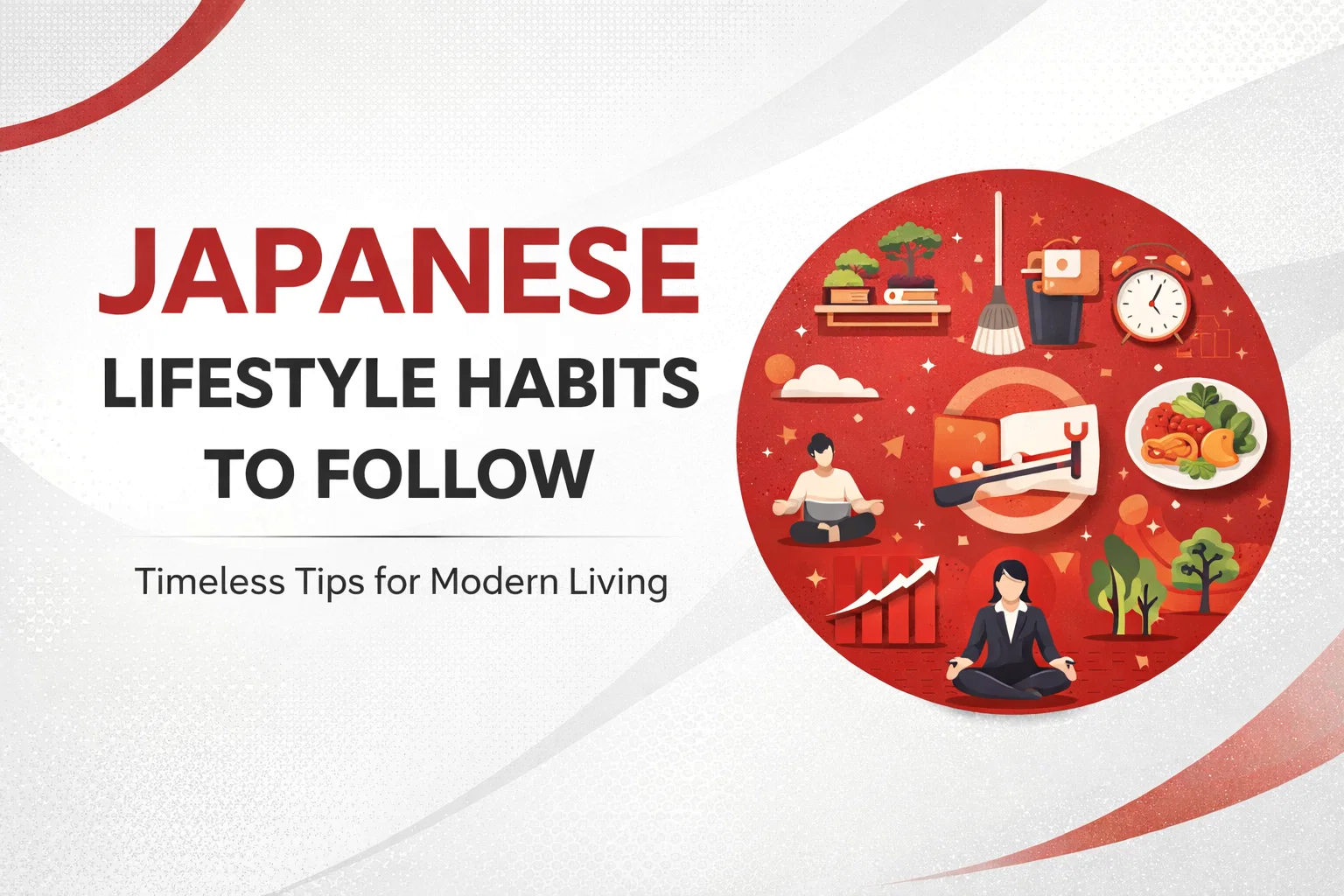
8 Japanese Lifestyle Habits for Personal Growth Kaizen, Minimalism Discipline
Embracing a new way of living often starts with a single step toward intentionality. In a world that feels increasingly fast paced and cluttered, many people are looking toward the East for guidance on how to find balance, peace, and productivity. The Japanese lifestyle is not just a set of rules but a deeply ingrained philosophy that prioritizes quality over quantity, respect over ego, and consistency over intensity. By integrating these timeless principles into your daily routine, you can transform your environment and your mindset, leading to a more fulfilling and centered existence.
The Essence of Japanese Minimalism
At the heart of a peaceful home and a clear mind lies the concept of minimalism. Unlike the modern trend of simply owning fewer things, Japanese minimalism is about intentionality. It encourages you to keep only what you need or truly love. This practice stems from the belief that our physical surroundings are a reflection of our internal state. When your home is filled with unnecessary items, your mind becomes crowded with the invisible weight of maintaining them.
Decluttering for Mental Clarity
Starting a minimalist journey begins with a thorough assessment of your belongings. Ask yourself if an object serves a purpose or brings you genuine joy. By removing the excess, you create space for the things that matter. This leads to reduced stress, as you spend less time cleaning, organizing, and worrying about material possessions. A minimalist space allows for better focus and a sense of calm that is hard to achieve in a cluttered environment.
The Power of Punctuality
In Japan, being on time is seen as a fundamental sign of respect for others. Punctuality is more than just a scheduling habit; it is a reflection of your reliability and your value for other people’s time. When you are consistently on time for work, social gatherings, or even personal deadlines, you build a reputation for being trustworthy and disciplined.
Building Discipline Through Time Management
To master punctuality, it helps to plan your day with realistic buffers. Arriving five minutes early allows you to settle in and prepare mentally for the task at hand. This habit reduces the anxiety of rushing and ensures that you start every interaction on a positive, composed note. Over time, this discipline spills over into other areas of your life, making you more effective and organized.
Cleanliness as a Spiritual Practice
Cleanliness in the Japanese context goes beyond basic hygiene; it is often viewed as a way to purify the soul. Whether it is the meticulous cleaning of schools by students or the pristine condition of public transport, there is a collective pride in maintaining a clean environment. Keeping your home, surroundings, and self clean is a way of showing gratitude for the space you occupy.
Creating a Harmonious Environment
A clean environment promotes a sense of order and tranquility. Small daily habits, such as making your bed every morning or wiping down kitchen surfaces after use, prevent chores from becoming overwhelming. When your surroundings are tidy, you feel more in control of your life, which directly boosts your mood and productivity levels.
Healthy Eating Habits for Longevity
The Japanese diet is world renowned for its health benefits and its contribution to longevity. The core philosophy is to eat seasonal, fresh, and balanced meals in small portions. This approach ensures that the body receives a wide variety of nutrients while avoiding the lethargy that comes with overeating.
The Rule of Small Portions
Using smaller plates and bowls is a simple yet effective way to practice portion control. It allows you to appreciate the presentation of the food, which is a key element of Japanese culinary culture. By focusing on high quality ingredients like fresh vegetables, seafood, and fermented foods, you provide your body with the fuel it needs to thrive without the heavy processing found in many Western diets.
Cultivating a Deep Respect for Nature
Living in harmony with nature is a cornerstone of Japanese culture. This involves not only protecting the environment but also celebrating its changing seasons. Whether it is the cherry blossom festivals in spring or the vibrant colors of autumn leaves, there is a profound appreciation for the natural world’s beauty and its cycles.
Finding Peace Outdoors
Integrating this principle into your life can be as simple as taking a walk in a local park or bringing plants into your home. Practicing Shinrin-yoku, or forest bathing, has been shown to lower blood pressure and reduce stress. By reconnecting with nature, you remind yourself of the bigger picture and find a sense of peace that is often lost in urban living.
The Art of Politeness and Respect
Social harmony is highly valued in Japan, and this is achieved through politeness and respect. From the traditional bow in greetings to the use of honorifics, the way people interact is designed to minimize conflict and show consideration. Respecting elders and being mindful of your tone of voice are essential components of this lifestyle.
Improving Relationships Through Etiquette
Practicing politeness does not mean being overly formal; it means being aware of how your actions and words affect those around you. Small gestures, such as saying thank you sincerely or listening without interrupting, can significantly improve your relationships. When you lead with respect, you invite others to do the same, creating a more positive social circle.
Continuous Improvement: The Philosophy of Kaizen
Kaizen is the practice of continuous improvement in all aspects of life. It is the belief that small, incremental changes made consistently can lead to massive results over time. Instead of trying to overhaul your entire life overnight, Kaizen encourages you to focus on getting one percent better every day.
Implementing Small Changes
If you want to start a new habit, such as exercising or learning a language, start with just five minutes a day. The key is to make the task so small that it is impossible to fail. As you build consistency, you can gradually increase the intensity. This approach removes the fear of failure and builds lasting momentum toward your long term goals.
Developing a Strong Work Ethic
A strong work ethic in the Japanese tradition involves being dedicated, honest, and responsible. It is about taking pride in your work, regardless of the task. This level of commitment ensures that you produce high quality results and contribute meaningfully to your community or organization.
Finding Meaning in Responsibility
When you approach your work with honesty and dedication, you find a greater sense of purpose. Being responsible means taking ownership of your mistakes and constantly looking for ways to do better. This mindset not only leads to professional success but also provides a deep sense of personal satisfaction and integrity.
Integrating These Lessons Into Modern Life
While these principles are rooted in Japanese tradition, they are incredibly relevant to modern life across the globe. We live in an era of constant distraction and excess, making the call for minimalism and punctuality more important than ever. By adopting even a few of these habits, you can begin to see a shift in your daily experience.
Starting Your Journey
Do not feel pressured to adopt all eight principles at once. Choose one that resonates with you the most. Perhaps you start with decluttering your workspace (Minimalism) or committing to being five minutes early for your meetings (Punctuality). As these habits become second nature, you can slowly integrate others, like Kaizen or Healthy Eating. The goal is progress, not perfection.
Conclusion: The Path to a Balanced Life
The Japanese lifestyle offer a beautiful blueprint for anyone seeking a more meaningful and disciplined existence. By focusing on simplicity, respect, and continuous growth, you create a foundation for lasting happiness and success. These habits are not just about doing more; they are about being more. They encourage us to slow down, appreciate the present moment, and treat ourselves and others with the highest level of care. As you move forward, carry these principles with you as a guide to living a life that is balanced, purposeful, and profoundly peaceful. Start today by making one small change, and watch as it ripples through every area of your world.