17 Essential Etiquette Habits for Social Success and Professional Manners
In a world where digital communication often takes precedence over face-to-face interaction, the finer points of social etiquette can sometimes feel like a lost art. However, the way we conduct ourselves in person remains one of the most powerful tools for building trust, showing respect, and creating a lasting positive impression. Etiquette is not about rigid rules or being exclusionary; it is about the intentional practice of making others feel comfortable and valued. When you master these subtle habits, you transform from a passive participant in a room to a person of influence and grace.
The Power of First Impressions and Physical Presence
The first few seconds of any encounter set the tone for the entire relationship. Many people focus on what they are going to say, but your physical presence often speaks louder than your words. One of the most overlooked habits is the simple act of standing up when someone enters a room. This gesture signals immediate respect and acknowledges the presence of the newcomer. It bridges the gap between being a bystander and being an active, welcoming host or colleague.
Similarly, the way we navigate physical spaces reflects our consideration for others. Letting people walk out of an elevator, a room, or a building before you step in is a foundational rule of spatial awareness. It prevents awkward collisions and shows that you are not just focused on your own schedule. These small physical adjustments demonstrate a level of situational awareness that is highly prized in both social and professional circles.
Mastering the Art of Greeting
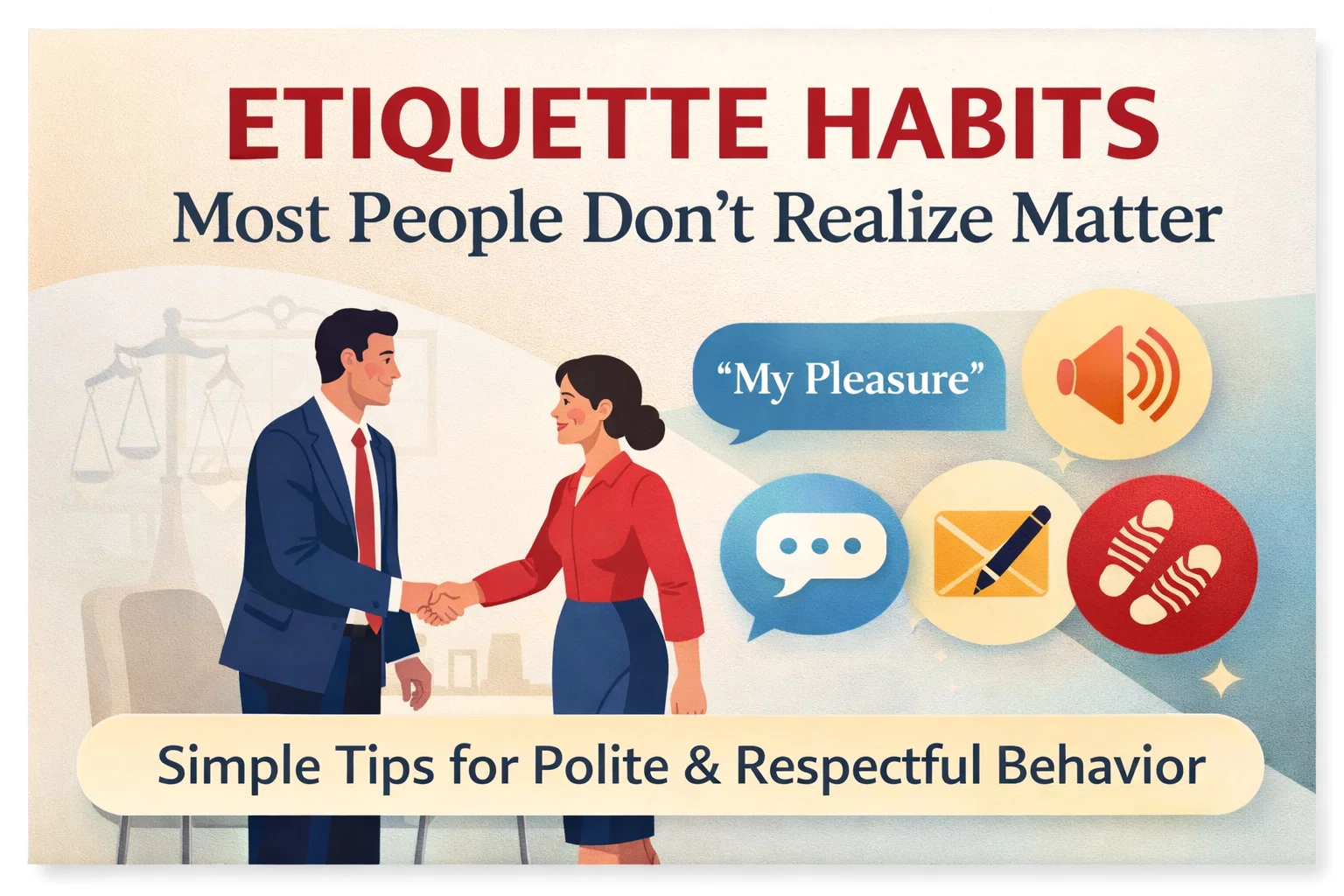
A handshake is more than just a formality; it is an exchange of energy and intention. Maintaining steady eye contact while shaking hands is essential for building a connection. It conveys honesty and confidence. If you look away or focus on the floor, you might inadvertently signal insecurity or a lack of interest. Combined with a clean appearance, specifically ensuring your shoes are well maintained, these habits create a visual narrative of a person who pays attention to detail and takes pride in their presentation.
Transforming Your Communication Style
The way we speak and, more importantly, the way we listen, defines the quality of our relationships. In an age of constant distraction, listening fully before responding has become a rare and valuable skill. Most people listen with the intent to reply rather than the intent to understand. By waiting until a person has finished their thought before you begin yours, you validate their perspective and ensure your response is actually relevant to the conversation.
Choosing Your Words with Intention
Your vocabulary can subtly shift the atmosphere of a room. For instance, replacing the common phrase “No problem” with “My pleasure” changes the dynamic of a favor or a task. “No problem” implies that there was a potential for a problem, whereas “My pleasure” centers the focus on the joy of being helpful. It elevates the interaction from a mere transaction to a genuine moment of connection.
Furthermore, the habit of speaking only when your words add value is a mark of true maturity. This does not mean being silent or antisocial; rather, it means being mindful of the weight your words carry. In group settings, ensuring that everyone has the space to speak prevents the conversation from being dominated by a single voice and fosters a more inclusive and productive environment.
Digital Etiquette in a Connected World
Perhaps the most significant challenge to modern etiquette is the presence of the smartphone. While these devices keep us connected to the world, they often disconnect us from the people sitting right in front of us. Keeping your phone off the table during meals or meetings is a powerful statement of priority. It tells your companions that they have your undivided attention and that nothing on your screen is more important than the current moment.
When serious moments arise, the tone of your voice becomes a critical tool for empathy. Lowering your tone during sensitive or professional discussions shows that you understand the gravity of the situation. It prevents the environment from feeling chaotic or disrespectful and allows for a more focused and calm resolution to any issues at hand.
The Social Graces of Dining and Hosting
The dinner table has historically been the primary setting for practicing etiquette. While modern dining is often casual, certain habits remain timeless. Waiting until everyone is served before you start eating is a fundamental sign of patience and communal respect. It ensures that no one feels rushed or left out. This habit is especially important in formal settings where the pacing of a meal is part of the overall experience.
Walking with Your Guests
When you are hosting or guiding someone, your position relative to them matters. Walking beside your guest, rather than ahead of them, creates a sense of equality and companionship. It allows for natural conversation and ensures your guest never feels like they are struggling to keep up or being led like a child. This simple adjustment makes any transition from one place to another feel like a shared journey rather than a chore.
Building Character through Praise and Recognition
While it is easy to compliment someone on their appearance, high level etiquette encourages us to look deeper. Praising someone for their character, their hard work, or their integrity leaves a much deeper impact than a comment on their outfit. It shows that you are observant and that you value who they are as a person. This kind of validation builds stronger bonds and encourages a culture of mutual respect.
The Value of Formal Acknowledgement
In professional or highly formal environments, waiting to be acknowledged before speaking or taking action is a sign of deference to the established order. This is not about being submissive, but about showing that you understand the hierarchy and the flow of the event. It prevents you from appearing overeager or disruptive and ensures that when you do speak, you have the full attention of the room.
The Timeless Impact of the Handwritten Note
In a world of instant emails and text messages, the handwritten thank you note remains a pinnacle of social grace. Taking the time to select stationery, write a thoughtful message, and mail a letter shows a level of effort that digital communication simply cannot match. Whether it is for a gift, an interview, or a kind gesture, a handwritten note is often kept and remembered long after a digital message has been deleted.
Dressing for the Occasion
What we wear is a form of non verbal communication. Dressing appropriately for a situation shows respect for the host and the event itself. The goal should be to fit the context of the environment rather than seeking attention through flashy or inappropriate choices. When you dress with the situation in mind, you remove a potential distraction and allow your personality and contributions to take center stage.
A Holistic Approach to Personal Growth
Adopting these seventeen habits is not just about social polish; it is about personal development. Each of these behaviors requires self discipline and a focus on the needs of others. By practicing these daily, you cultivate a mindset of mindfulness and empathy. You begin to notice the small details in your environment and the subtle cues from the people around you, leading to more meaningful interactions and a more fulfilling social life.
Developing Emotional Intelligence
At its core, etiquette is a manifestation of emotional intelligence. It is the ability to read a room, understand the feelings of others, and respond in a way that is supportive and appropriate. Showing interest in others before talking about yourself is a prime example of this. By asking questions and genuinely listening to the answers, you create a space where others feel heard and valued, which is the foundation of any strong relationship.
Conclusion: Living with Intention and Grace
The habits of etiquette are far more than just a list of things to do and avoid. They represent a way of moving through the world with intention, kindness, and respect. While some of these practices may seem small or even outdated in our fast paced society, their impact is timeless. When you choose to stand up for a newcomer, put your phone away during dinner, or send a handwritten note, you are choosing to prioritize human connection over convenience.
Incorporating these behaviors into your daily routine will not only improve how others see you but will also boost your own self confidence. You will find that you are more at ease in social situations, more effective in your professional life, and more connected to your community. Etiquette is a gift you give to others, but ultimately, it is a practice that enriches your own life. Start with just one or two of these habits today and watch as your world begins to reflect the grace and respect you put into it.