15 Habits to Build Mental Strength and Resilience Self-Improvement Tips
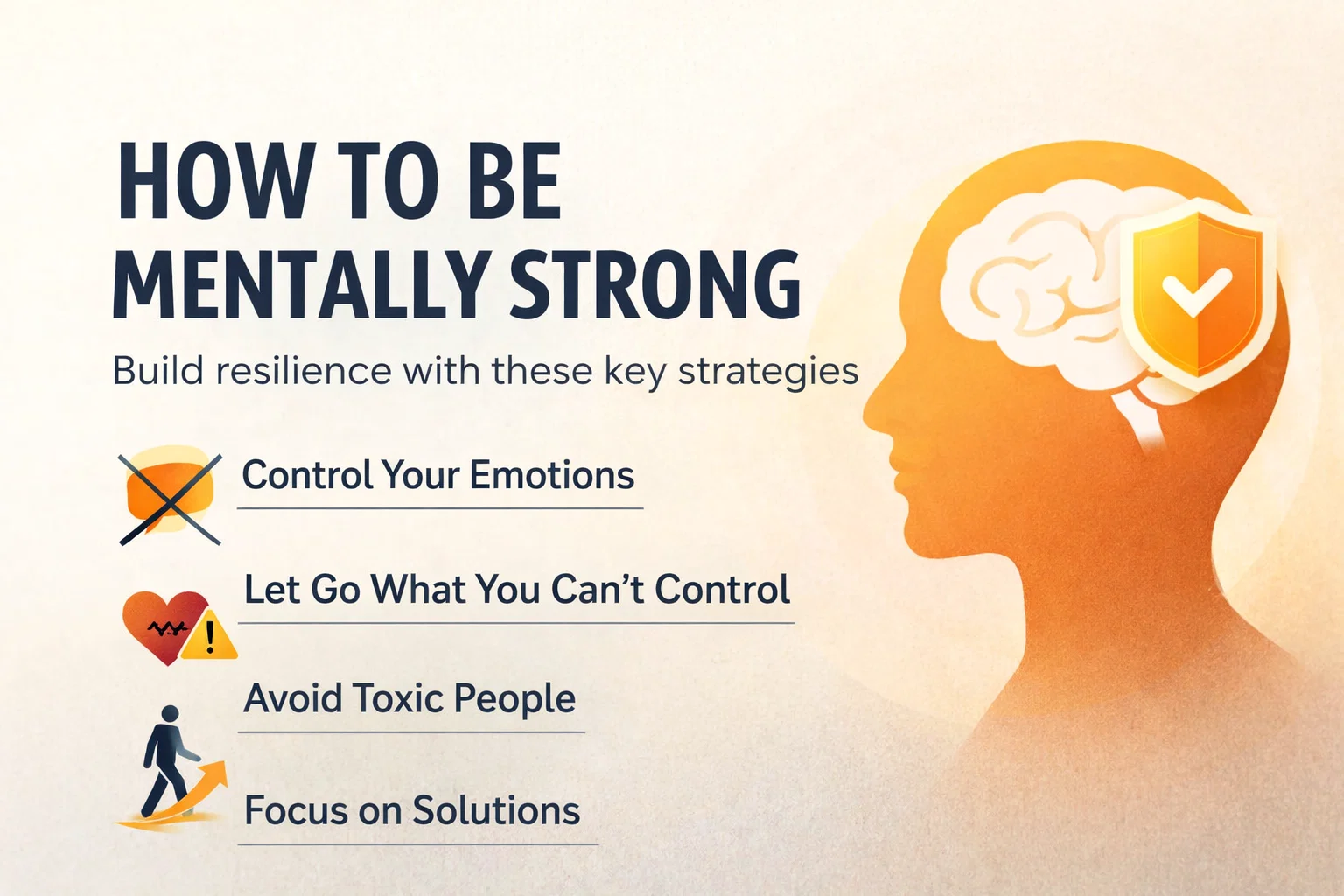
Building a resilient mind is one of the most transformative journeys a person can undertake. In a world that often feels chaotic and unpredictable, the ability to remain grounded and composed is not just a personality trait but a vital life skill. The strategies outlined in the visual guide for mental strength provide a foundational roadmap for anyone looking to navigate life with more grace and authority. Mental strength is about much more than just being tough. It is about the discipline of the mind, the regulation of emotions, and the conscious choice to prioritize long-term peace over short-term comfort. by adopting these fifteen core principles, you can begin to shift your perspective from being a passenger in your life to being the intentional driver of your own destiny.
The Power of Realistic Expectations
One of the most common drains on our mental energy is the weight of unmet expectations. We often move through the world assuming that others will react, work, or care in the exact same way that we do. However, mental strength begins with the realization that everyone has a different emotional and cognitive capacity. When you stop expecting specific outcomes from every person you meet, you liberate yourself from constant disappointment. This does not mean lowering your standards for your own life, but rather accepting the reality of others without letting their limitations dictate your happiness.
Accepting the Fairness Gap
We are taught from a young age that hard work and kindness should result in fairness. While these are noble pursuits, the reality of life is that it isn is not always fair. Mentally strong individuals understand that dwelling on the unfairness of a situation is a circular trap that prevents progress. Instead of asking why something happened, the focus shifts to how to move forward. Acceptance is not about liking the situation; it is about acknowledging it so you can use your energy to build a better future rather than grieving a past you cannot change.
Mastering Emotional Regulation and Calm
At the heart of mental resilience lies the ability to control your emotions rather than letting them control you. It is natural to feel anger, sadness, or frustration, but mental strength is the bridge between the feeling and the reaction. When you allow your emotions to take the wheel, you often make decisions based on temporary states that have long-term consequences. Learning to sit with an emotion, understand its root, and then choose a logical response is a hallmark of a disciplined mind.
Finding Peace in the Midst of Chaos
Real strength is often quiet. It is the ability to stay calm when everything around you is falling apart. In moments of high stress, the body naturally enters a fight-or-flight mode. Training yourself to breathe through the chaos and maintain a level head allows you to see solutions that others might miss. This calm is not a sign of indifference; it is a tactical advantage. By protecting your internal peace, you ensure that your external actions are effective and deliberate.
The Art of Not Taking Things Personally
Most of what people say and do is a reflection of their own internal struggle, history, and perspective. It rarely has anything to do with you. When you take things personally, you give others power over your self-esteem and your mood. Mentally strong people recognize that a coworker’s bad attitude or a friend’s forgetfulness is usually a symptom of their own life. By maintaining this distance, you can interact with the world with more empathy and less ego, which ultimately keeps your emotional battery charged.
Walking Away Without Guilt
There is a persistent myth that being a strong person means enduring toxic environments or people until they change. In reality, one of the strongest things you can do is walk away. Protecting your environment is essential for mental health. If a relationship or a setting consistently drains your peace and offers nothing but negativity, you have the right to leave without feeling guilty. Your first responsibility is to your own well-being, because you cannot be a source of light for others if your own flame is being extinguished by toxicity.
Solution-Oriented Thinking for Better Outcomes
It is incredibly easy to get stuck in a loop of analyzing problems. While understanding a problem is important, staying focused on it leads to stagnation. Mental strength involves a conscious pivot toward solutions. Every time you find yourself complaining or worrying about a hurdle, challenge yourself to come up with three potential steps toward a resolution. This proactive approach builds confidence and reminds you that you have agency over your circumstances.
Self-Belief Against the Grain
There will be times when your goals or your path do not make sense to the people around you. Believing in yourself when no one else does is the ultimate test of mental fortitude. This self-belief is not about arrogance; it is about a deep-seated trust in your own intuition and abilities. It requires silencing the external noise and focusing on your internal compass. When you are your own biggest advocate, you become much harder to discourage.
Forgiveness as a Tool for Growth
Forgiveness is often misunderstood as an act of weakness or an admission that what happened was okay. In the context of mental strength, forgiveness is a tool for your own freedom. Holding onto grudges is like carrying a heavy stone; it only tires the person holding it. By forgiving, you release the emotional tie to a past hurt. However, the second part of this habit is crucial: remember the lesson. You can let go of the anger while still using the experience to set better boundaries and make wiser choices in the future.
Growth in Solitude
Many people fear being alone because it forces them to confront their own thoughts. However, solitude is the laboratory of the soul. It is where you can reflect, plan, and truly get to know yourself without the influence of others. Using time alone to grow, learn a new skill, or practice mindfulness turns a potential fear into a powerful asset. When you are comfortable in your own company, you are no longer dependent on others for validation or entertainment.
Control the Internal, Release the External
A major source of anxiety is the attempt to control things that are outside of our influence. You cannot control the weather, the economy, or the actions of other people. You can, however, control your reactions. Mentally strong individuals spend their energy on their own habits, their own words, and their own effort. Letting go of the rest is an act of profound liberation. When you stop trying to micromanage the universe, you find that you have much more energy to manage your own life effectively.
The Choice of Discipline Over Comfort
Growth and comfort rarely coexist. If you want to build mental strength, you must be willing to choose discipline. This might mean waking up early to exercise when you would rather sleep, or having a difficult conversation instead of avoiding it. Discipline is the practice of honoring what you want most over what you want right now. Each time you choose the harder, more productive path, you reinforce the neural pathways of resilience and self-control.
Protecting Your Peace Above All
Your peace of mind is your most valuable asset. It affects your physical health, your relationships, and your career success. Protecting your peace means being selective about what news you consume, what social media accounts you follow, and what conversations you engage in. It is about creating a sanctuary within your mind that remains undisturbed by the volatility of the outside world. This is not about hiding from the world, but about being intentional regarding what you allow to enter your mental space.
Conclusion: The Journey Toward Mindset Mastery
Becoming mentally strong is not a destination that you reach and then stop. It is a daily practice that requires consistency, patience, and self-compassion. By implementing these fifteen habits, you are not just changing your behavior; you are rewiring your entire approach to life. You will find that as your mental strength grows, your stress levels decrease and your sense of fulfillment rises. Remember that every challenge you face is an opportunity to practice these principles. Start small, stay consistent, and watch as your world begins to reflect the strength and peace you have cultivated within yourself. The journey toward a resilient mind is the greatest investment you will ever make.