How to Sew Perfect Sunburst Pleats Sewing Machine Tips Tricks
Mastering the art of fabric manipulation is what separates a standard garment from a high fashion masterpiece. If you have ever looked at a designer gown or a sophisticated sunburst skirt and wondered how those perfectly radiating lines are achieved, you are in the right place. Today, we are diving deep into the world of creative stitching, focusing on the mesmerizing technique of sunburst pleating on a sewing machine. This method involves gathering fabric at a single point and allowing it to fan out, creating a dynamic sense of movement and professional texture that instantly elevates any DIY project.
Understanding the Magic of Sunburst Pleats
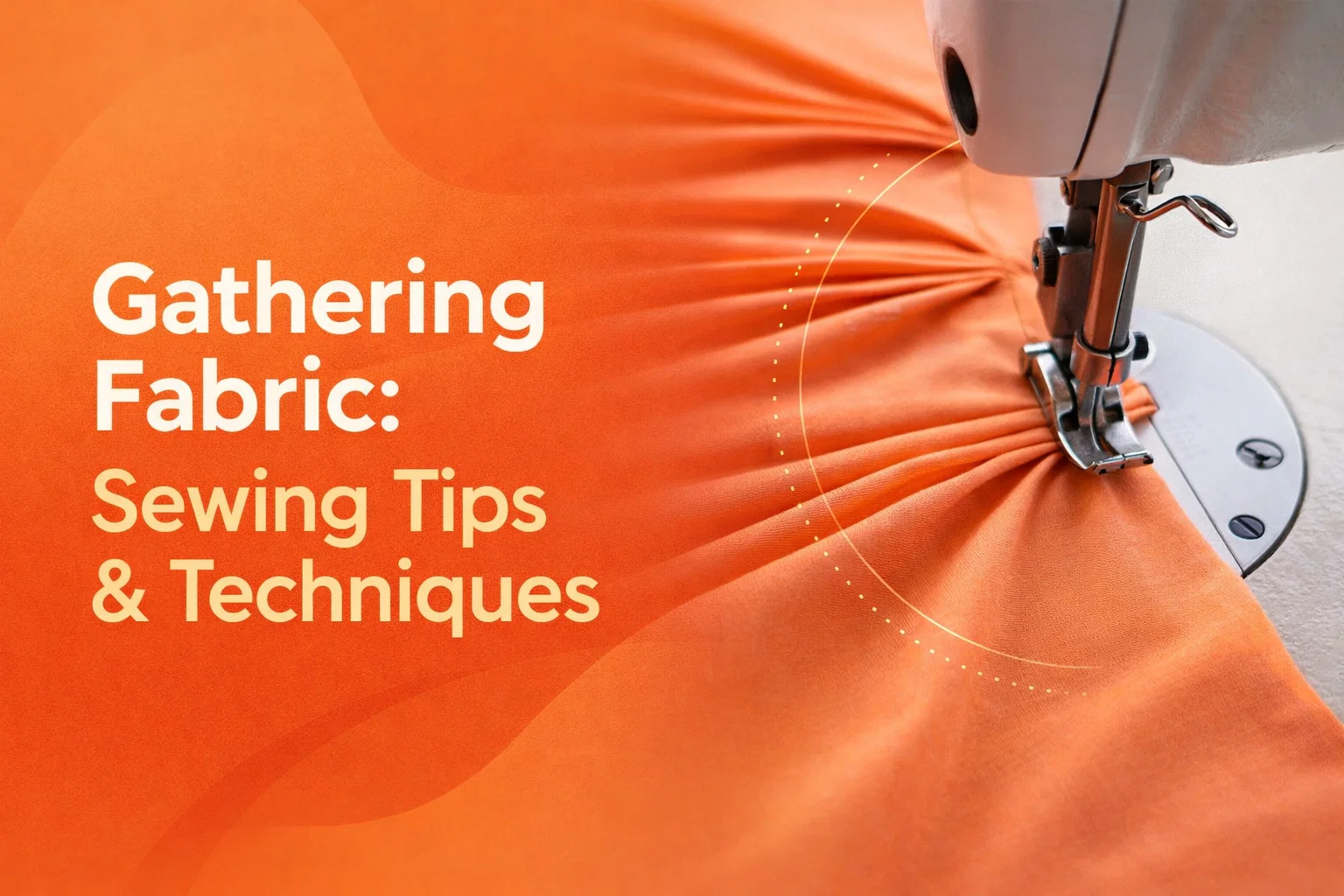
Sunburst pleats, often referred to as radiating or fan pleats, are a decorative sewing technique where multiple folds of fabric converge at a central point. Unlike standard box pleats or knife pleats that run parallel to each other, sunburst pleats create a triangular or conical shape. In the image provided, we see a beautiful example of this technique being executed on a vibrant orange fabric. The precision required to align each fold under the presser foot is what gives the final piece its architectural beauty.
This technique is frequently used in couture fashion to create dramatic necklines, structured waistbands, or decorative sleeve caps. By controlling the depth and spacing of each fold, you can manipulate how the fabric hangs and catches the light. Whether you are working with a lightweight chiffon for a breezy summer look or a structured poplin for a more avant-garde silhouette, mastering this stitch will significantly expand your sewing repertoire.
Essential Tools for Precision Stitching
To achieve the crisp, uniform lines seen in professional garment construction, you need more than just a standard sewing machine. Having the right setup ensures that your pleats stay in place while you navigate the converging angles. Here are the must-have tools for this specific technique:
- An Industrial or High-Quality Home Sewing Machine: As seen in the visual, an industrial machine provides the stability and speed needed for consistent tension across multiple layers of fabric.
- A Fine Point Chalk or Vanishing Ink Marker: Marking your pivot points is crucial. Since all pleats meet at a single line, you need accurate guide marks to ensure they don’t overlap haphazardly.
- Specialized Presser Feet: An edge-stitching foot or a compensating foot can be incredibly helpful for keeping your topstitching perfectly aligned with the edge of the fold.
- Thin, Sharp Pins: Use glass-head pins or silk pins to secure the folds. Standard pins can be too bulky and might distort the fabric as it passes under the needle.
- A Reliable Steam Iron: Pleating is fifty percent sewing and fifty percent pressing. A good iron helps set the memory of the fabric so the pleats stay sharp even after washing.
Choosing the Right Fabric for Radiating Folds
Not all fabrics are created equal when it comes to pleating. The orange fabric in our example appears to be a mid-weight cotton or a synthetic blend with enough body to hold a crease but enough softness to drape. If you are a beginner, starting with a crisp cotton or linen is ideal because these natural fibers take a press very well and do not slip easily under the sewing foot.
If you are looking for a more fluid movement, silks and rayons are excellent choices, though they require a bit more pinning and a slower sewing speed. Avoid extremely heavy fabrics like thick denim or upholstery weight materials for this specific radiating style, as the bulk at the convergence point can become too thick for a standard sewing machine needle to penetrate safely.
Step by Step Guide to Sewing Sunburst Pleats
Creating this look requires patience and a methodical approach. Follow these steps to replicate the professional finish shown in the image:
1. Preparation and Marking
Start by cutting your fabric larger than your final pattern piece. Pleating consumes a significant amount of material, often requiring three times the width of the finished area. Mark a horizontal line where you want the pleats to be secured. Then, mark vertical points along the edge of the fabric to indicate where each fold will begin.
2. Folding and Pinning
Fold the fabric toward your central marking point. In the sunburst style, each fold should be slightly angled so that the distance between the folds increases as you move away from the stitch line. Use your iron to press each fold as you go. This creates a crisp edge that is much easier to guide through the machine.
3. Aligning Under the Presser Foot
As shown in the image, position your fabric so that the converging points are lined up directly under the needle. Notice how the fingers are used to maintain tension and keep the folds flat. This is critical because the machine feed dogs will naturally try to pull the bottom layer faster than the top. Use a slow, steady pace and a medium stitch length.
4. Securing the Folds
Stitch across the gathered edges to lock the pleats in place. In many designs, this is followed by a decorative waistband or a facing to hide the raw edges. Ensure your backstitching is secure at both ends to prevent the tension of the pleats from pulling the thread loose over time.
Creative Applications for Your Projects
Once you have mastered the basic sunburst technique, the creative possibilities are endless. You can incorporate this into various parts of a handmade wardrobe to add a touch of sophistication.
Decorative Bodices and Necklines
Imagine a simple shift dress transformed by a sunburst pleat design radiating from the center of the neckline. This draws the eye upward and creates a flattering, elongated silhouette. It is a fantastic way to add detail to a solid-colored fabric without needing to add lace or embroidery.
Architectural Sleeves
Dramatic sleeves are a major trend in modern fashion. By applying radiating pleats to the shoulder cap of a sleeve, you create volume and structure that stays in place. This works particularly well with fabrics that have a bit of sheen, as the pleats create a beautiful play of light and shadow.
Home Decor Accents
This technique is not just for clothing. You can use sunburst pleating to create stunning throw pillows or custom lampshades. A round pillow with pleats radiating from a central button is a classic mid-century modern look that you can easily recreate at home with your sewing machine.
Common Challenges and How to Fix Them
Even experienced sewists can run into trouble when dealing with multiple layers of folded fabric. If you find that your pleats are shifting or looking uneven, consider these troubleshooting tips:
Bulk at the Needle: If the fabric is too thick at the convergence point, try grading your seam allowances. This involves trimming the inner layers of the folds to different lengths to reduce the overall thickness that the needle has to pass through.
Uneven Spacing: If your fan shape looks lopsided, go back to the drawing board with a ruler. Precise marking is the only way to ensure perfect symmetry. Use a drafting compass or a protractor if you want to be scientifically accurate with your angles.
Skipped Stitches: When sewing over the bumps of the pleats, your presser foot might tilt. Use a “hump jumper” or a folded piece of scrap fabric under the back of the presser foot to keep it level. This ensures the needle enters the fabric straight and prevents skipped stitches.
Elevating Your Craft Through Detail
The beauty of sewing lies in the details. A simple stitch can join two pieces of fabric, but a thoughtful pleat can create art. The image of the orange fabric under the needle is a reminder that fashion is a manual craft that requires focus and a keen eye. By practicing techniques like the sunburst pleat, you transition from being someone who just follows patterns to someone who understands the architecture of clothing.
Don’t be afraid to experiment with different scales. You can make tiny, delicate micro-pleats for a doll dress or giant, sweeping folds for a dramatic skirt. Each variation tells a different story and gives the fabric a new life. The more you experiment, the more intuitive the process becomes.
Conclusion: Bringing It All Together
Sewing is a journey of continuous learning, and mastering sunburst pleats is a significant milestone for any enthusiast. This technique brings a sense of luxury and high-end design to your home studio. By following the right preparation steps, using the proper tools, and maintaining a patient hand at the machine, you can achieve results that look like they came straight off a Parisian runway.
The next time you sit down at your sewing machine, look at your fabric not just as a flat surface, but as a medium to be sculpted. Whether you are making a bold statement piece or a subtle accent, the radiating lines of a sunburst pleat will always add a touch of elegance and professional flair. Grab your pins, heat up your iron, and start folding your way to a more beautiful handmade wardrobe today.