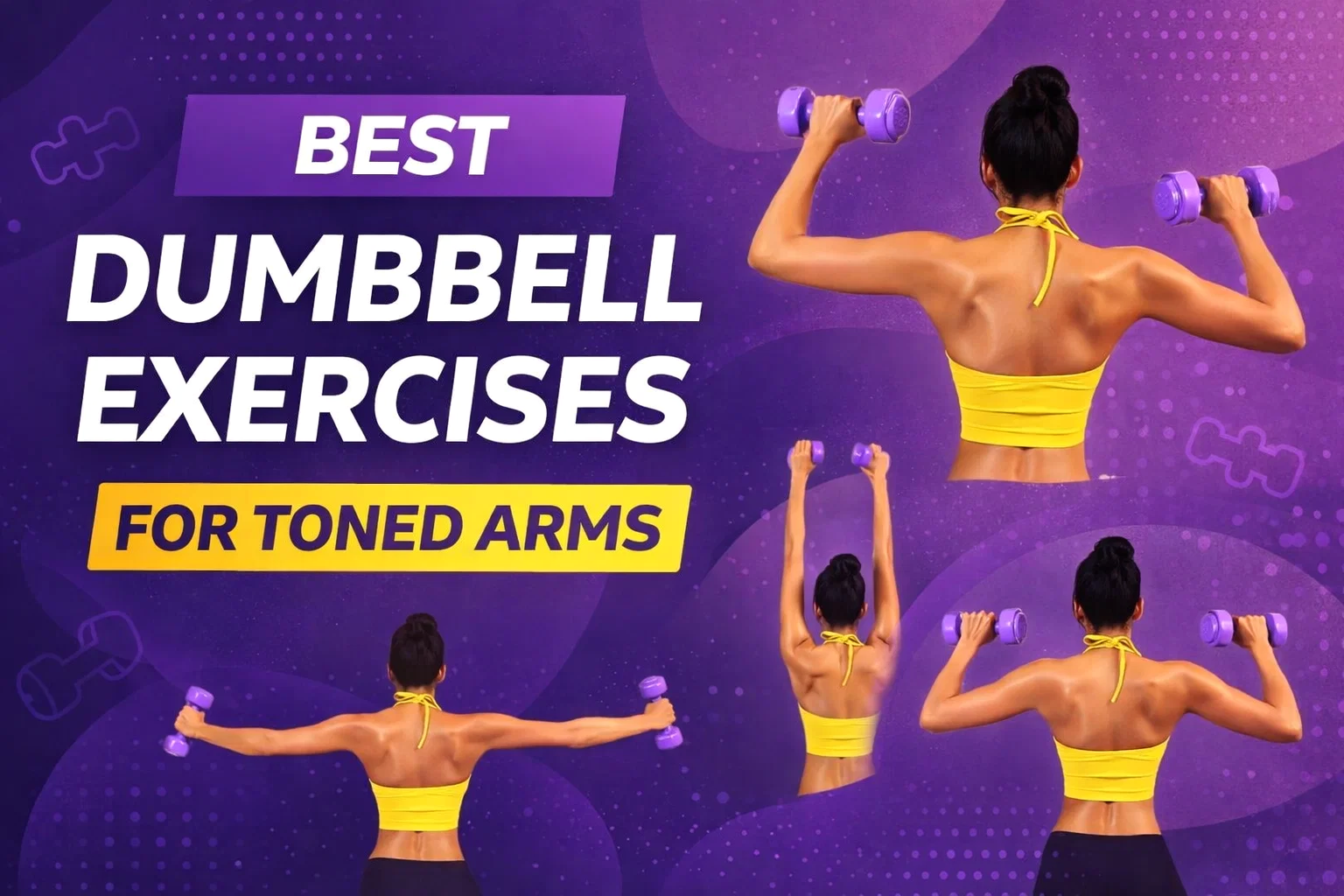
Dumbbell Back Workout for Women 8 Exercises for a Toned Back and Shoulders
Achieving a sculpted, strong back is about more than just aesthetics. While a toned posterior looks incredible in a sundress or a gym tank, the functional benefits of back training are what truly transform your quality of life. Many of us spend our days hunched over laptops or scrolling through smartphones, leading to rounded shoulders and nagging aches. The workout routine highlighted in the visual guide above is specifically designed to counteract these modern habits. by focusing on high volume and targeted resistance, you can develop the muscle density needed to support your spine and improve your silhouette from every angle.
The Importance of Training Your Back Muscles
The back is a complex network of muscles that work together to provide stability, power, and movement. When we talk about a back workout, we are really talking about several different muscle groups, including the latissimus dorsi, the rhomboids, the trapezius, and the erector spinae. Strengthening these areas creates a natural corset for your torso, which keeps your internal organs protected and your skeleton aligned.
One of the biggest mistakes people make in their fitness journey is focusing too much on the muscles they can see in the mirror, such as the biceps and chest. This creates a muscle imbalance that pulls the body forward. By prioritizing your back, you pull your shoulders back and down, which immediately makes you look taller and more confident. The routine shown in our guide uses dumbbells to ensure each side of your body works independently, preventing your stronger side from overcompensating for the weaker one.
Building Posture and Preventing Pain
Poor posture is a silent thief of energy and health. When your back muscles are weak, your chest muscles tighten, and your head shifts forward. This puts immense pressure on your neck and lower back. Incorporating these eight specific dumbbell movements into your weekly routine helps to reset your alignment. Over time, you will find that sitting at a desk for eight hours feels less taxing because your muscles have the endurance to hold your frame upright without effort.
Detailed Breakdown of the 8 Exercise Routine
The beauty of the workout in the image is its simplicity and accessibility. You do not need a room full of machines to see results. With just a pair of dumbbells and a commitment to three sets of fifteen repetitions for each move, you can trigger significant muscle growth and toning. Let us dive into the specifics of how to perform these movements for maximum impact.
1. Overhead Squeeze and Pull
Starting with your hands overhead allows for a full stretch of the lats. As you bring the dumbbells down towards your chest, focus on squeezing your shoulder blades together as if you are trying to hold a pencil between them. This movement targets the mid back and helps widen the lats for that sought after V taper shape.
2. The Lateral Raise Variation
While lateral raises are often seen as a shoulder exercise, the variation shown in the guide engages the upper trapezius and the rear deltoids. Keeping a slight bend in the elbow and focusing on pulling the weight with your back rather than your wrists ensures the tension stays where it belongs.
3. Single Arm Circles
Working one arm at a time is fantastic for identifying muscle weaknesses. By rotating the weight in a controlled arc, you engage the rotator cuff and the smaller stabilizing muscles around the scapula. This is a secret weapon for shoulder health and preventing future injuries.
4. Reverse Flys for Rear Delts
The back of the shoulder is often neglected. The reverse fly, performed with a slight hinge at the hips, hits the rear deltoids and the rhomboids. This exercise is the gold standard for fixing rounded shoulders because it strengthens the muscles responsible for pulling the shoulders back into a neutral position.
Why 3 Sets of 15 Reps is the Sweet Spot
You might notice that the guide recommends a consistent volume of 3 sets and 15 repetitions. This is not a random suggestion. In the world of exercise science, this rep range falls perfectly into the category of hypertrophy and muscular endurance. Because the back is made of many postural muscles that need to work all day long, training them with higher repetitions prepares them for the rigors of daily life.
Lower repetitions with extremely heavy weights are great for raw strength, but for those looking to “tone” and “sculpt” while maintaining joint health, the 15 rep range is ideal. It allows you to focus on the mind muscle connection. If the weight is too heavy, your form will likely break down, and you will start using momentum rather than muscle. By choosing a weight that feels challenging by the 12th rep, you ensure that the final 3 reps are the ones that actually force your body to change and adapt.
The Mind Muscle Connection
Since we cannot see our back while we work it, it is easy to let the arms do all the work. To get the most out of this dumbbell routine, imagine your hands are just hooks. The movement should start from your elbows and your shoulder blades. Before you even move the weight, give your back muscles a little squeeze to “wake them up.” This mental focus can double the effectiveness of your workout without adding a single pound of extra weight.
How to Integrate This Workout into Your Week
Consistency is the secret ingredient to any fitness transformation. You cannot do this workout once and expect a transformed physique. For the best results, aim to perform this routine two to three times per week. Give yourself at least 48 hours of rest between sessions to allow the muscle fibers to repair and grow stronger.
- Monday: Back Workout and 20 minutes of light cardio.
- Tuesday: Lower body focus or rest.
- Wednesday: Back Workout and core stability exercises.
- Thursday: Rest or active recovery like yoga.
- Friday: Back Workout and a brisk walk.
Using this frequency ensures that you are hitting the muscles often enough to trigger growth but not so often that you risk overtraining. Remember that your muscles grow while you sleep, not while you are at the gym. Pair this routine with a diet rich in protein and stay hydrated to see the best possible muscle definition.
Nutrition for Muscle Definition
You have likely heard the phrase that “abs are made in the kitchen,” and the same applies to your back. You can have the strongest muscles in the world, but if they are covered by a layer of inflammation or excess body fat, you won’t see the definition you are working so hard for. Focus on whole foods, lean proteins like chicken, fish, or lentils, and plenty of leafy greens.
Anti inflammatory foods are particularly helpful for back health. Omega 3 fatty acids found in walnuts and flaxseeds can help reduce joint pain, making it easier to stick to your exercise routine. Also, don’t forget water. Your spinal discs are largely made of water, and staying hydrated keeps them plump and cushioned, which prevents that stiff feeling after a workout.
Progressive Overload
Once the 15 reps start to feel easy, do not just stop there. To keep seeing changes, you must implement progressive overload. This could mean slightly increasing the weight of your dumbbells, slowing down the tempo of each rep, or decreasing the rest time between sets. Always keep your body guessing so that it never has a chance to plateau.
Safety Tips for Home Workouts
Training at home is convenient, but it requires a bit of extra attention to safety. Since you don’t have a coach watching your every move, you must be your own monitor. Perform these exercises in front of a mirror if possible so you can check your alignment. Keep your core engaged during every movement to protect your lower spine. If you ever feel a sharp pain rather than a dull muscle burn, stop immediately and check your form.
It is also helpful to warm up before starting the dumbbell movements. Spend five minutes doing arm circles, cat cow stretches, or light jumping jacks to get the blood flowing to your muscles. A warm muscle is a flexible muscle, and a flexible muscle is much less likely to strain or tear under pressure.
Conclusion: Your Journey to a Stronger Silhouette
The journey to a toned and healthy back is a marathon, not a sprint. By following the eight movements outlined in this guide and sticking to the 3×15 rep scheme, you are setting yourself up for long term success. You will start to notice the small wins first: perhaps your clothes fit a bit better, or you realize you haven’t had a tension headache in a week. Eventually, the visual changes will follow, and you will have the confidence of knowing your body is as strong as it looks.
Take this guide, grab your dumbbells, and start today. There is no better time to invest in your physical health and your posture than right now. Remember to save the image to your phone or Pinterest board so you always have a quick reference guide ready for your next session. Your future self will thank you for the effort you put in today. Stay consistent, stay focused, and enjoy the process of becoming the strongest version of yourself.