DIY Upcycled Denim Tote Bag Easy No-Sew Jeans Repurposing Idea
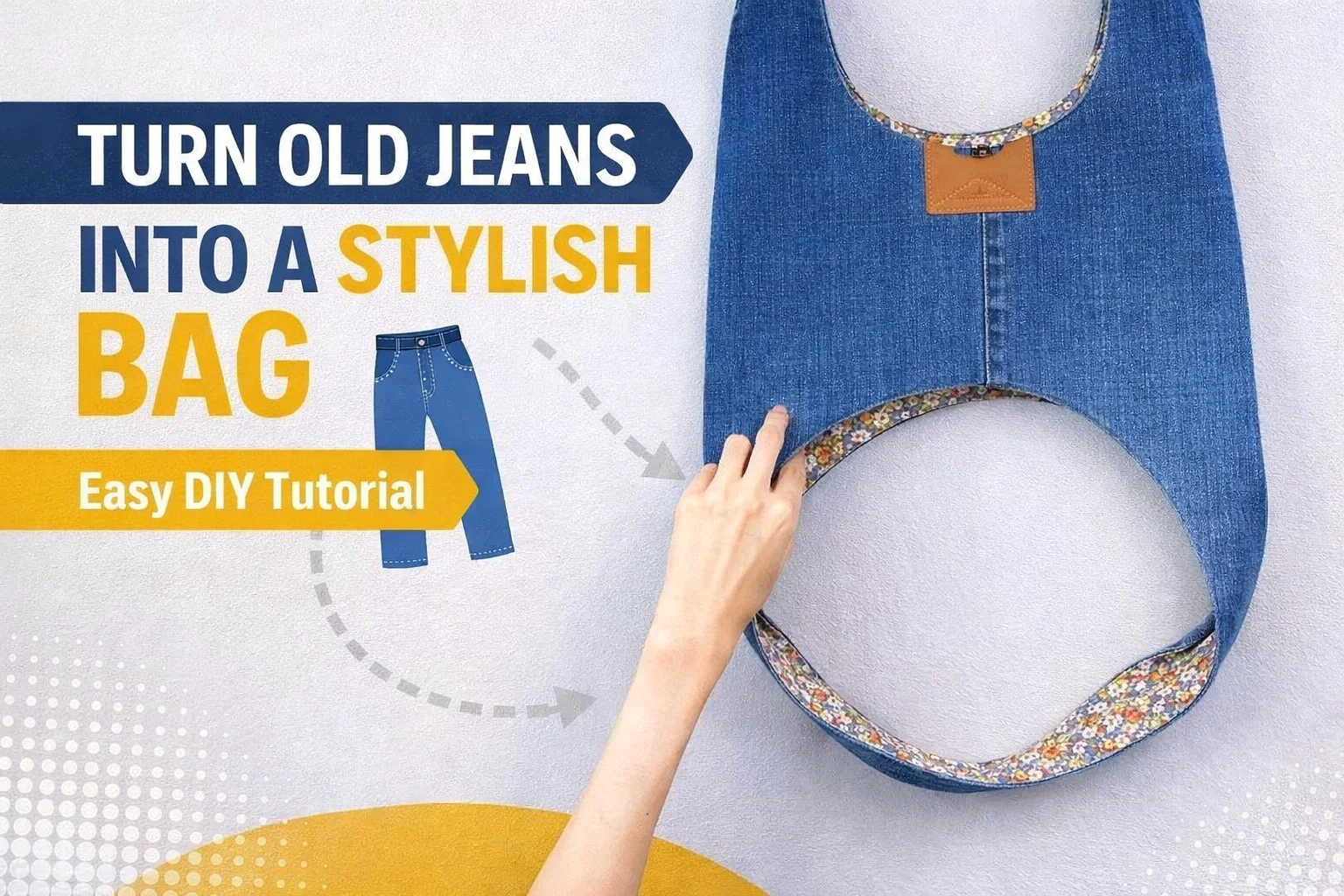
Have you ever looked at a stack of old jeans sitting in the back of your closet and wondered if they could be something more? We have all been there. Denim is one of the most durable, versatile, and timeless fabrics ever created, yet millions of pairs end up in landfills every year. The image above captures a beautiful moment of transformation: taking the rugged, familiar texture of blue denim and marrying it with a delicate, colorful floral lining to create a functional piece of art. Upcycling is not just a trend; it is a movement toward a more sustainable and creative lifestyle. By repurposing your old denim into a stylish tote bag, you are not only saving money but also reducing your environmental footprint while gaining a one-of-a-kind accessory that tells a story.
The Rising Popularity of Denim Upcycling
The fashion industry is currently undergoing a massive shift. Consumers are moving away from fast fashion and toward pieces that have character and longevity. Denim upcycling has become a cornerstone of this movement because the material actually gets better with age. The fading, the soft frayed edges, and the unique wash of a pair of well-worn jeans provide a depth that new fabric simply cannot replicate. When you decide to turn a pair of pants into a tote bag, you are participating in a tradition of resourcefulness that has existed for generations, updated for the modern aesthetic.
One of the best things about working with denim is its structural integrity. Unlike thinner cotton fabrics, denim can hold its shape and withstand significant weight, making it the ideal candidate for a market bag, a book tote, or an everyday carryall. When you add a contrasting lining, like the floral pattern seen in our inspiration image, you create a professional finish that makes people stop and ask, “Where did you buy that?” The satisfaction of responding with “I made it” is unparalleled.
Essential Tools and Materials for Your Project
Before you dive into the cutting and sewing process, it is important to gather the right supplies. Working with heavy fabrics requires a bit more preparation than your standard sewing project. Here is what you will need to get started:
- A pair of old jeans: Look for denim with a high cotton content. Stretchy denim can be used, but 100 percent cotton denim provides a sturdier structure for a bag.
- Lining fabric: A lightweight cotton or canvas with a fun print. Florals, polka dots, or geometric patterns work beautifully against the blue of the denim.
- Heavy duty needles: Ensure your sewing machine is equipped with a denim needle (size 90/14 or 100/16) to prevent snapping.
- Strong thread: Use a high quality polyester or heavy duty topstitching thread.
- Fabric scissors or a rotary cutter: Denim is thick, so you need sharp blades for clean lines.
- Pins or sewing clips: Clips are often easier to use with thick layers of denim.
- An iron: Pressing your seams is the secret to a professional-looking handmade bag.
Selecting the Right Denim
Not all jeans are created equal when it comes to upcycling. For a tote bag like the one pictured, you want to look at the legs of the jeans. The wider the leg, the more seamless fabric you have to work with. However, do not throw away the pockets or the waistband! These elements can be repurposed as external organizers for your bag, perfect for holding a phone or a set of keys. If your jeans have unique distressing or a specific wash, try to incorporate those features into the front panel of your bag to give it more personality.
Step by Step Guide to Creating Your Denim Tote
Creating a bag might seem intimidating, but if you break it down into manageable steps, it becomes a fun weekend activity. The process involves preparing the denim exterior, creating the lining, and then joining them together to hide the raw edges.
Preparing the Exterior Panels
Start by cutting the legs off your jeans. Open the inner seam of the legs so you have two large rectangular pieces of fabric. Depending on the size of the tote you want, trim these into two equal rectangles. If you want a deeper bag, you can sew multiple strips of denim together to create a patchwork effect. This is also a great time to sew on any decorative elements, like a leather patch or the original back pockets from the jeans.
Crafting the Floral Lining
The lining is what gives the bag its “wow” factor. Cut two pieces of your floral fabric to the exact same dimensions as your denim panels. This lining acts as a mirror to the exterior. If you want internal pockets, sew them onto the right side of the lining pieces now. This ensures that all the messy stitching is hidden between the layers of the finished bag.
Constructing the Bag Body
Place your two denim pieces with their “right sides” facing each other and sew along the sides and the bottom. Repeat this exact process with your lining pieces, but leave a small four-inch opening at the bottom of the lining. This hole is crucial because it allows you to turn the bag right side out later. Once both “pouches” are sewn, you can box the corners by pinching the bottom seams together to create a flat base for the bag. This allows it to stand up on its own.
Adding the Finishing Touches
The magic happens in the assembly. You will place the denim exterior inside the lining (with right sides touching), align the top edges, and sew all the way around the rim. Through that small hole you left in the lining, you will pull the denim bag through. It feels like a magic trick! Suddenly, you have a bag with no visible raw seams. Topstitch around the top edge to keep the lining from rolling outward and to give it a crisp, high-end look.
Choosing Handles and Straps
For the handles, you have several options. You can use the leftover denim to sew sturdy fabric straps, or you can go for a more modern look with leather or cotton webbing. If you want to stay true to the upcycling theme, consider using the waistband of the jeans as a strap. It is already reinforced and often features interesting stitching and belt loops that can serve as attachment points for charms or carabiners.
Why Handmade Bags Are Better Than Store Bought
In a world of mass production, owning something handmade is a luxury. When you make your own bag, you control the quality. You can reinforce the stress points where handles meet the body, ensuring the bag lasts for years. Furthermore, you are creating a piece that is perfectly tailored to your needs. Need a specific pocket for your tablet? You can add it. Want a longer strap for cross-body wear? You can adjust it. This level of customization is something you simply cannot find on a retail shelf.
Beyond the practical benefits, there is the emotional connection. Every time you use the bag, you will be reminded of the creative process. It serves as a visual reminder of your ability to solve problems and create beauty out of something discarded. It is a conversation starter that allows you to share your passion for sustainability with others.
Tips for Maintaining Your Upcycled Denim Bag
Because your bag is made of denim and cotton, it is incredibly easy to care for. Most upcycled bags can be tossed into the washing machine on a gentle cycle. To keep the colors vibrant, especially the floral lining, wash it in cold water and hang it to dry. Avoid the dryer if you used leather accents or heavy interfacing, as high heat can cause those materials to warp or stiffen. A quick steam or press with an iron will bring back its shape and keep it looking brand new.
Conclusion: Start Your Upcycling Journey Today
Upcycling a pair of jeans into a floral lined tote bag is more than just a craft project; it is a step toward a more intentional way of living. It encourages us to look at our possessions with fresh eyes and to find value in things that have been labeled as “old.” The image of the denim bag with its bright, cheery interior is a perfect symbol of how we can take the rugged parts of life and line them with something beautiful and unexpected. So, go ahead and grab those old jeans, find a fabric that makes you smile, and start sewing. You will be amazed at what you can create with just a little bit of imagination and a sewing machine.