Bench Dip Form How to Target Triceps and Avoid Shoulder Pain Effective Arm Workout
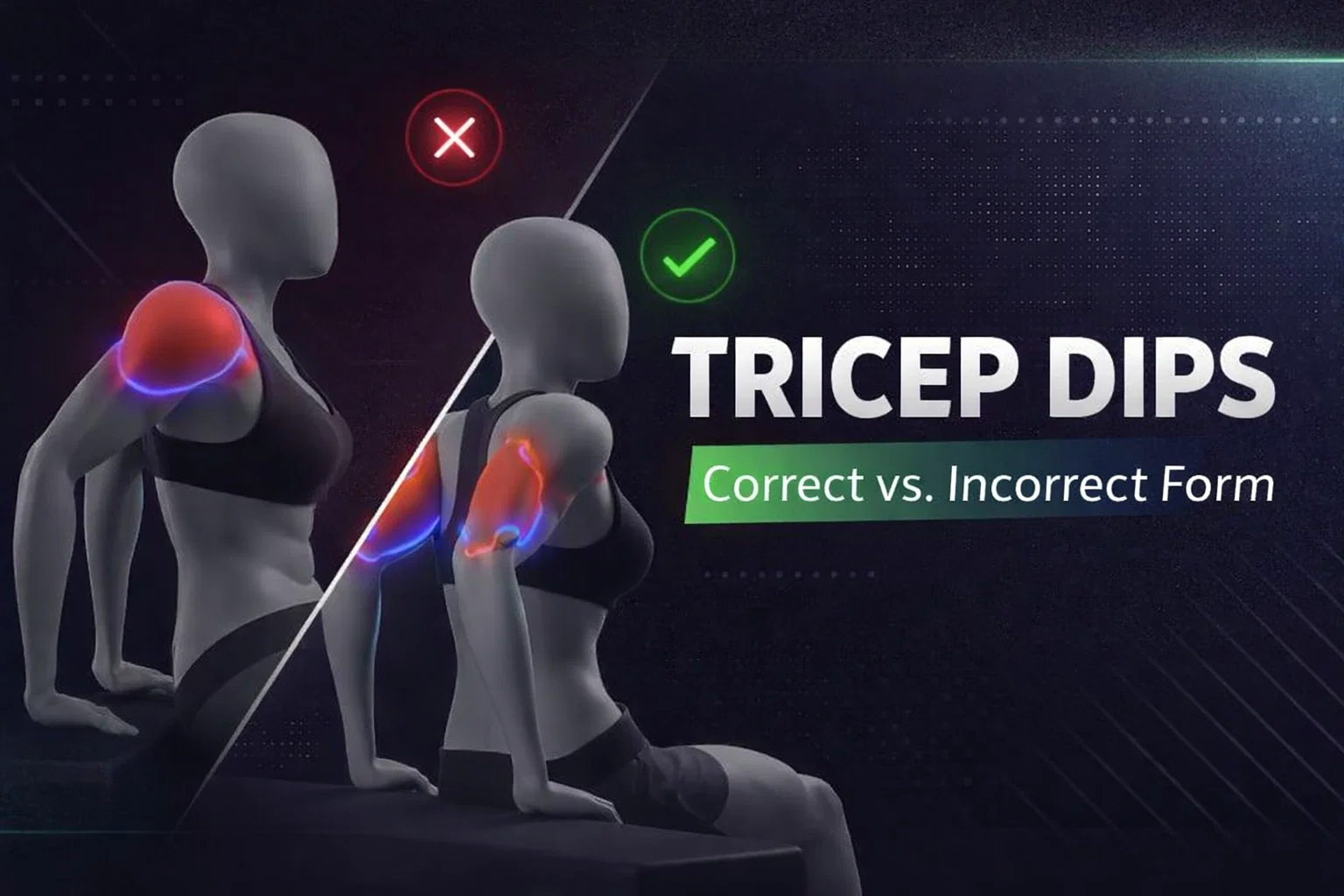
Mastering the bench dip is a rite of passage for anyone looking to build impressive arm strength and definition. However, as the visual guide above clearly demonstrates, there is a massive difference between performing this move for maximum muscle growth and accidentally putting your shoulder joints in the line of fire. When done correctly, the bench dip is one of the most effective bodyweight exercises for isolating the triceps. When done poorly, it becomes a recipe for impingement and frustration. Understanding the subtle shifts in body positioning shown in the comparison can be the turning point in your upper body training routine.
The Anatomy of a Perfect Bench Dip
To understand why the right way works so much better than the wrong way, we have to look at the anatomy of the triceps brachii. This muscle group makes up about two thirds of your upper arm mass. It consists of three heads: the long, lateral, and medial heads. While compound movements like the bench press or overhead press involve the triceps, the bench dip allows for a unique level of horizontal abduction that really zeroes in on that horseshoe shape everyone after. In the correct illustration, you can see the tension highlighted specifically in the triceps, whereas the incorrect version shows the stress radiating into the anterior deltoid and shoulder capsule.
Why Shoulder Position Matters Most
In the top portion of the image marked with a red X, notice how the torso is drifted far away from the bench. This is the most common mistake beginners make. When your hips move forward, your shoulders are forced into an extreme range of internal rotation and extension. This puts immense pressure on the small stabilizing muscles of the rotator cuff. By contrast, the bottom image shows the back skimming the edge of the bench. This vertical path keeps the center of gravity directly over the triceps, allowing them to do the heavy lifting while keeping the shoulder joint in a much safer, more neutral plane.
Step by Step Breakdown of Proper Form
If you want to move from the red X to the green checkmark, you need a repeatable setup. Follow these steps to ensure every rep counts toward your gains rather than your aches.
- The Setup: Sit on the edge of a sturdy weight bench or a stable chair. Place your hands shoulder width apart, gripping the edge of the bench with your palms.
- The Slide: Shift your weight forward off the bench, supported only by your hands and feet. This is where most people go wrong. Ensure your glutes are almost touching the bench.
- The Descent: Lower your body by bending your elbows until they reach an angle of about 90 degrees. Focus on keeping those elbows tucked in and pointing straight back behind you.
- The Drive: Push through your palms to return to the starting position. At the top of the movement, give your triceps a hard squeeze for a second before starting the next repetition.
Common Mistakes That Kill Your Progress
Aside from the distance from the bench, there are several other pitfalls that can hinder your results. Many lifters treat the bench dip as a fast, bouncy movement. This momentum might help you pump out more reps, but it does very little for muscle hypertrophy. Slowing down the eccentric phase (the way down) creates more micro tears in the muscle fibers, which leads to more growth during recovery.
Flaring the Elbows
When the triceps get tired, your body naturally tries to recruit other muscles to help. This often manifests as the elbows flaring out to the sides. When your elbows flare, you shift the load onto your chest and shoulders. Not only does this reduce the effectiveness for your arms, but it also creates an awkward shearing force in the elbow joint itself. Think about keeping your elbows parallel to each other throughout the entire range of motion.
Shrugging the Shoulders
If you find your ears touching your shoulders at the bottom of the dip, you are losing your postural integrity. You want to keep a long neck and depressed shoulder blades. Depressing the scapula ensures that the triceps remain the primary mover. If you feel a pinching sensation in the front of your shoulder, it is a sign that you need to reset your posture and pull your shoulder blades back and down.
Scaling the Bench Dip for Your Level
One of the best things about this exercise is its versatility. You do not need a gym full of equipment to get a world class arm workout. Depending on where you are in your fitness journey, you can adjust the difficulty easily.
Beginner Variation: Knees Bent
If you are just starting out, keep your knees bent at a 90 degree angle and your feet flat on the floor. This allows your legs to take some of the weight off your arms. It is the perfect way to practice the vertical path shown in the green checkmark image without being overwhelmed by your full body weight.
Intermediate Variation: Legs Straight
Once you can perform 15 to 20 reps with bent knees using perfect form, straighten your legs out in front of you. By resting only on your heels, you increase the percentage of your body weight that the triceps have to move. This significantly increases the intensity and the stimulus for growth.
Advanced Variation: Feet Elevated
For those who find standard dips too easy, place your feet on a second bench or a stable box in front of you. This levels out your body and forces the triceps to work against almost your entire body weight. You can even place a weight plate on your lap for added resistance, but be sure you have mastered the vertical bar path first to avoid injury.
The Role of Mobility in Bench Dips
Sometimes, the reason a person performs the dip like the red X in the image is not lack of knowledge, but lack of mobility. If your chest is tight and your shoulders are rounded forward from sitting at a desk all day, it can be physically difficult to keep your back close to the bench. Incorporating chest stretches and thoracic spine mobility work into your warm up can make a world of difference. When your joints can move through their full range of motion without restriction, your form naturally improves.
Warm Up for Success
Never jump straight into weighted or advanced dips without a proper warm up. Start with some arm circles, light push ups, or even some high rep triceps press downs with a light band. Getting blood flow into the elbow joint and the muscle belly prepares the tissues for the high tension of the dip. This simple five minute investment can prevent the tendonitis that often plagues frequent lifters.
Integrating Bench Dips Into Your Routine
Bench dips are incredibly effective, but they should be used strategically. Because they can be taxing on the elbows and shoulders, they are often best used as a “finisher” at the end of a chest or arm workout. After you have done your heavy compound lifts like the bench press or shoulder press, use 3 sets of bench dips to failure to completely exhaust the triceps fibers.
Pairing with Other Exercises
Try supersetting bench dips with bicep curls for a massive arm pump. By alternating between the front and back of the arm, you allow one muscle group to rest while the other works. This keeps the intensity high and the heart rate up, making your workout more efficient. Another great pairing is the “mechanical dropset,” where you perform feet elevated dips until failure, then immediately move your feet to the floor to squeeze out a few more reps.
Conclusion: Quality Over Quantity
The image we analyzed today serves as a powerful reminder that in the world of fitness, how you move is far more important than how much you move. Doing ten reps with the form shown in the green checkmark will yield better results and a longer lifting career than doing fifty reps with the form shown in the red X. By keeping your back close to the bench, tucking your elbows, and focusing on the squeeze, you turn a simple bench into a powerful tool for body transformation.
Take a moment during your next workout to film yourself from the side. Compare your silhouette to the one in this guide. If you see yourself leaning too far forward or drifting away from the bench, don’t be afraid to take a step back and correct it. Your triceps will grow faster, and your shoulders will thank you for years to come. Consistency and attention to detail are the keys to unlocking your full physical potential. Now, get out there and put this knowledge into practice!