Healthy Food as Medicine Daily Nutrition Tips Recipes for Better Eating
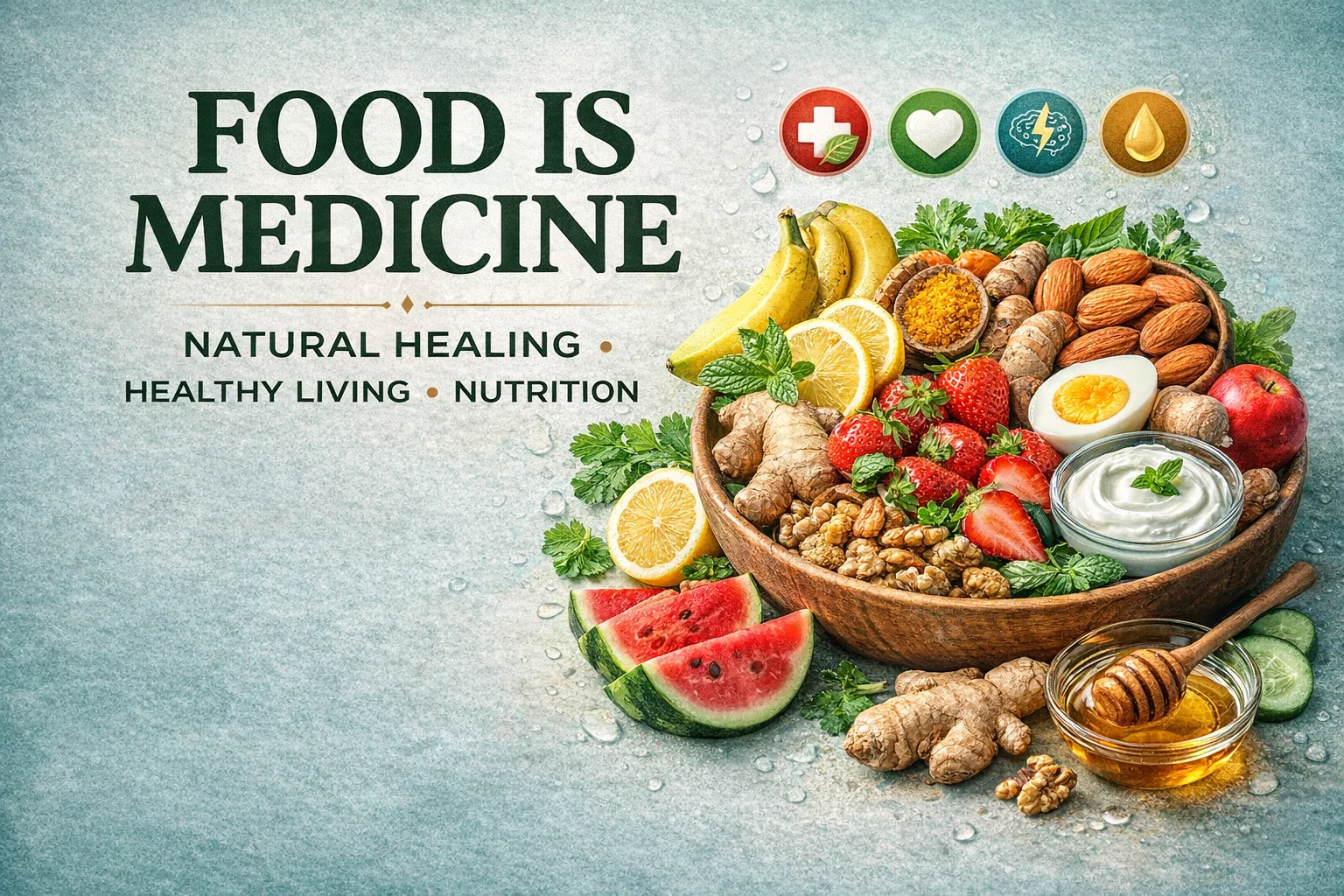
We have all heard the age old saying that you are what you eat, but have you ever stopped to consider that your kitchen pantry might actually be a functional medicine cabinet? In a world filled with processed snacks and quick fixes, returning to the simplicity of whole foods is a radical act of self care. The concept of food as medicine is not just a trendy catchphrase; it is a fundamental truth that ancient civilizations understood for millennia. From the anti inflammatory power of golden turmeric to the heart healthy fats found in a simple walnut, every bite we take offers an opportunity to heal, fuel, and protect our bodies. This guide explores how you can use everyday ingredients to manage everything from muscle cramps to high blood pressure, turning your daily meals into a powerful tool for longevity.
The Philosophy of Food as Medicine
Modern nutrition often focuses on calories, macros, and weight loss, but the medicinal approach to eating shifts the focus toward how specific nutrients interact with our biological systems. When we view food through a therapeutic lens, we start to see chemical compounds like curcumin, anthocyanins, and potassium as natural remedies. This perspective encourages us to eat with intention, choosing ingredients that target our specific health needs while providing the energy we need to thrive.
Building a Healing Foundation
To start your journey with functional eating, you do not need an expensive organic grocery store or rare superfoods from across the globe. Most of the most powerful healing agents are already sitting in your local produce aisle. The key is consistency and variety. By incorporating a wide spectrum of colors and textures into your diet, you ensure that your body receives a diverse array of phytonutrients designed to keep your systems in balance.
Natural Remedies for Pain and Inflammation
Physical discomfort, whether it is from a tough workout or chronic inflammation, can significantly impact your quality of life. Instead of reaching for the medicine cabinet immediately, consider how these specific foods can provide relief from the inside out.
Turmeric: The Golden Healer
Turmeric is perhaps the most famous anti inflammatory spice in the world. Its active compound, curcumin, has been studied extensively for its ability to block inflammatory enzymes. It is particularly effective for joint health and reducing systemic inflammation. To get the most benefit, always pair turmeric with a pinch of black pepper, which contains piperine to increase curcumin absorption by up to 2,000 percent.
Ginger for Muscle Pain and Recovery
If you struggle with sore muscles after exercise, ginger is your best friend. It contains gingerols, which act as natural analgesics. Consuming fresh ginger tea or adding grated ginger to your stir fry can help reduce muscle pain and improve circulation, allowing your body to recover faster after physical exertion.
Bananas for Muscle Cramps
Muscle cramps are often a sign of electrolyte imbalance, particularly a lack of potassium. Bananas are a convenient, portable source of this essential mineral. Potassium helps your muscles contract and relax properly, making a banana the perfect pre or post workout snack to keep those painful charley horses at bay.
Boosting Brain Power and Mental Clarity
Your brain is the most energy hungry organ in your body, consuming about 20 percent of your daily calories. Feeding it the right fats and antioxidants can improve memory, focus, and overall cognitive longevity.
Almonds for Brain Function
Almonds are packed with Vitamin E, an antioxidant that helps prevent cognitive decline and improves memory retention. They also contain healthy unsaturated fats and fiber, which provide a steady stream of energy to the brain rather than the quick spike and crash associated with sugary snacks. A handful of almonds in the afternoon can be the perfect cure for that mid day brain fog.
Walnuts for Heart and Mind
It is no coincidence that a walnut looks exactly like a human brain. These nuts are exceptionally high in DHA, a type of Omega 3 fatty acid that is crucial for brain health. Regular walnut consumption has been linked to better mental performance and a reduced risk of age related cognitive issues. They are also fantastic for heart health, reducing oxidative stress in the cardiovascular system.
The Secret to Healthy Digestion and Gut Health
A healthy gut is the foundation of a strong immune system and a balanced mood. When your digestion is sluggish, it affects everything from your skin to your energy levels. These kitchen staples are designed to keep things moving smoothly.
Yogurt and the Power of Probiotics
Yogurt is a classic source of probiotics, the beneficial bacteria that live in your gut. These microbes help break down food, absorb nutrients, and fight off harmful pathogens. Choosing a plain, unsweetened yogurt with live active cultures is one of the easiest ways to support your digestive tract and improve your overall immunity.
Apples for Constipation Relief
Apples are rich in pectin, a type of soluble fiber that acts as a natural bulk forming laxative. Eating an apple a day really does keep the doctor away, especially the gastroenterologist. The fiber in apples helps soften stool and speed up its passage through the colon, making it an excellent natural remedy for occasional constipation.
Oats for Cholesterol Management
Oats contain a specific type of fiber called beta glucan. This fiber creates a gel like substance in the gut that binds to cholesterol and prevents it from being absorbed into the bloodstream. Starting your morning with a bowl of oatmeal is a proven way to lower LDL cholesterol levels and support long term heart health.
Hydration and Skin Health from Within
True hydration is about more than just drinking water; it is about the electrolytes and minerals that allow your cells to hold onto that moisture. These water rich foods help you glow from the inside out.
Watermelon for Deep Hydration
Watermelon is about 92 percent water, but it also contains essential salts and minerals like magnesium and potassium. This makes it more effective at hydrating your body than plain water alone. Plus, it is loaded with lycopene, which protects your skin cells from sun damage.
Cucumbers for Skin Hydration
Cucumbers are a powerhouse for skin health. Not only are they incredibly hydrating, but they also contain silica, a trace mineral that strengthens connective tissue and improves skin elasticity. If you want a clear, dewy complexion, adding cucumber slices to your water or salads is a must.
Lemons for Detoxification
While the word detox is often overused, lemons actually do support the liver, which is the body’s primary detoxification organ. The citric acid in lemons encourages the production of bile, which helps flush toxins and waste from your system. A glass of warm lemon water in the morning is a gentle way to wake up your digestive system and clear your skin.
Supporting Your Immune System and Energy
If you find yourself catching every cold that goes around or feeling constantly drained, your diet might be lacking the building blocks for a resilient immune response.
Strawberries for Immunity
When people think of Vitamin C, they usually think of oranges, but strawberries are an equally potent source. Vitamin C is essential for the production of white blood cells, which are your body’s first line of defense against infection. A bowl of fresh strawberries provides a sweet way to fortify your immune system during flu season.
Eggs for Sustained Energy
Eggs are often called nature’s multivitamin. They contain almost every nutrient your body needs, including B vitamins, which are crucial for converting food into usable energy. Unlike the temporary energy boost from caffeine, the protein and healthy fats in eggs provide long lasting satiety and stamina throughout the day.
Honey for a Sore Throat
Honey has been used as a natural antibiotic and anti inflammatory for centuries. If you feel a scratchy throat coming on, a spoonful of raw honey can coat the esophagus and reduce irritation. Its antimicrobial properties also help fight the underlying bacteria or virus causing the discomfort.
Managing Blood Pressure and Blood Sugar
Chronic conditions like hypertension and diabetes can often be managed or even improved through careful dietary choices. These specific foods act as natural regulators for your circulatory and metabolic systems.
Beets for Blood Pressure
Beets are rich in natural nitrates, which the body converts into nitric oxide. This compound helps relax and dilate your blood vessels, which improves blood flow and lowers blood pressure levels. Drinking beet juice or eating roasted beets can have a significant impact on your cardiovascular health.
Cinnamon for Blood Sugar Regulation
Cinnamon is much more than a tasty spice for baking. It has been shown to improve insulin sensitivity and lower blood sugar levels after meals. By slowing down the breakdown of carbohydrates in the digestive tract, cinnamon prevents the sharp insulin spikes that can lead to energy crashes and long term metabolic issues.
Conclusion: Your Path to a Healthier Life
Embracing the idea that food is medicine is one of the most empowering decisions you can make for your health. It shifts you away from a reactive mindset where you only address problems after they arise, and toward a proactive lifestyle where every meal is an investment in your future self. You do not have to change everything overnight. Start by picking one or two areas where you feel you need the most support, perhaps it is adding more ginger for your joints or swapping a sugary snack for almonds to help your focus. Over time, these small, intentional choices will add up to a vibrant, energetic life. Remember that your body is a complex biological machine that thrives on the fuel you provide it. Choose wisely, eat mindfully, and let your kitchen be your first line of defense in your wellness journey.
Would you like me to help you create a weekly meal plan based on these specific healing foods?