10 Surprising Water Facts Myths, Hydration Tips Weight Loss Truths
Water is the most fundamental element of life, yet it remains one of the most misunderstood components of our daily health regimen. While we all know that we need to drink it to survive, the nuances of how, when, and why we hydrate can significantly impact our energy levels, metabolic rate, and even our cognitive clarity. Understanding the science behind hydration goes far beyond the old advice of simply carrying a water bottle. It involves recognizing the subtle signals our bodies send and debunking the persistent myths that have circulated for decades.
The Hidden Science of Dehydration
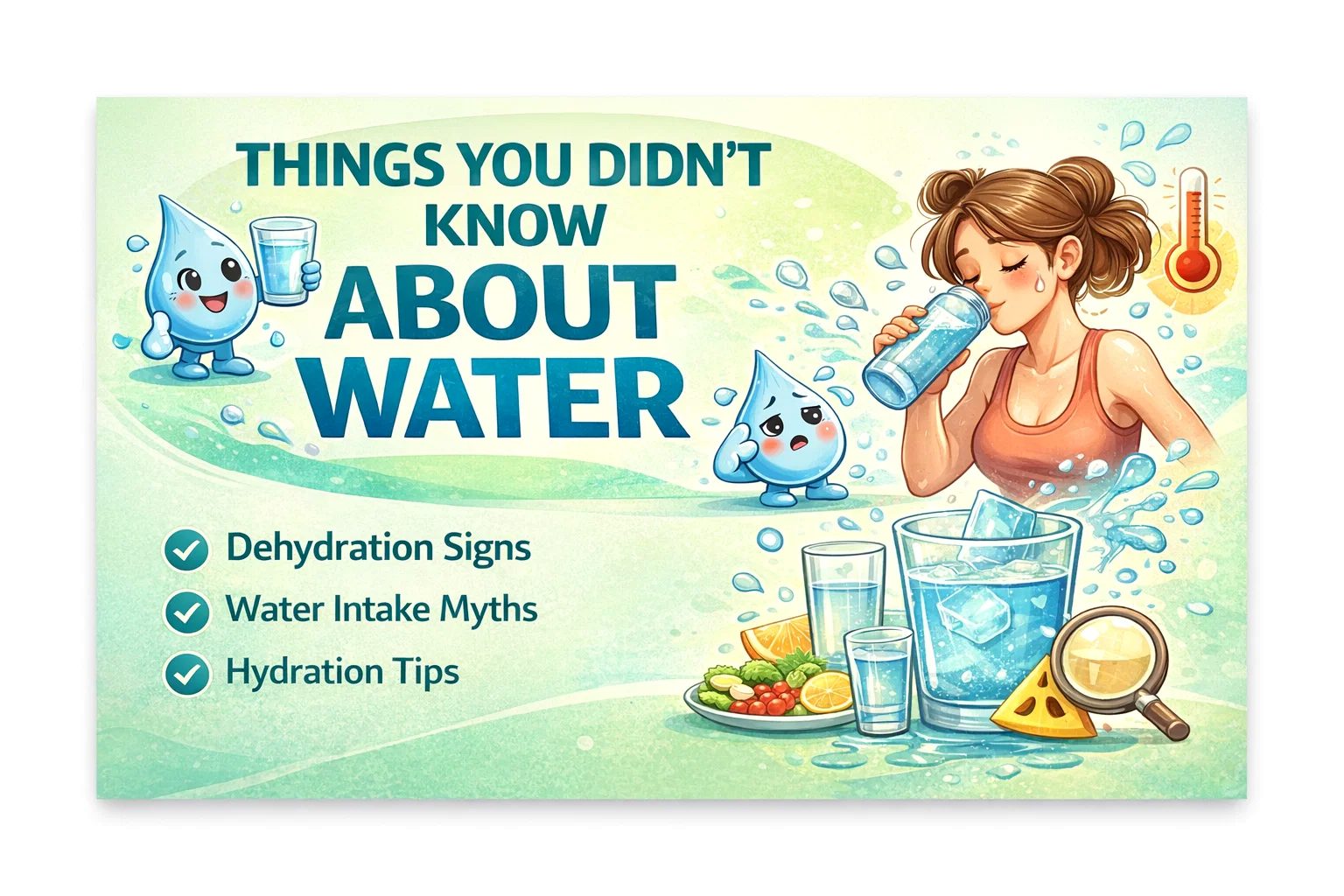
Many people wait until they feel a dry throat or a parched mouth before reaching for a glass of water. However, by the time the sensation of thirst registers in your brain, your body is already in the early stages of dehydration. This lag time exists because our bodies are incredibly efficient at managing resources, but once the thirst mechanism kicks in, you are already operating at a deficit. Staying ahead of this curve is essential for maintaining peak physical and mental performance throughout the day.
Cognitive Impact and Mental Clarity
It is startling to realize that a fluid loss of just two percent can lead to a measurable decline in cognitive performance. This level of dehydration often manifests as a foggy brain, difficulty concentrating on complex tasks, or a noticeable dip in short-term memory. When the brain is even slightly dehydrated, it has to work harder to achieve the same results, leading to quicker mental fatigue. By prioritizing consistent fluid intake, you are essentially providing the necessary lubrication for your neurological processes to function smoothly.
Debunking the Eight Glasses a Day Myth
For years, the standard advice was to consume eight glasses of water every single day, regardless of who you were or what you were doing. Modern nutritional science has moved past this one size fits all approach. Hydration needs are deeply personal and vary based on several key factors, including your body size, your activity level, and the climate you live in. Someone living in a humid, tropical environment will naturally require more fluids than someone in a temperate zone, just as an athlete will have different needs than a sedentary office worker.
Listening to Your Body Indicators
Instead of counting glasses, a more accurate way to monitor your status is by paying attention to biological indicators. The color of your urine is perhaps the most reliable and immediate feedback loop you have. Ideally, it should be a pale, straw-like yellow. If it is clear, you might actually be over-hydrating, and if it is dark amber, your body is screaming for more fluids. This simple check allows you to adjust your intake in real time based on your specific needs for that day.
Maximizing Your Metabolism Through Hydration
One of the most exciting aspects of proper hydration is its direct link to metabolic health. Drinking water, especially first thing in the morning, acts as a wake-up call for your internal systems. Research suggests that consuming water shortly after waking can jumpstart your metabolism by up to twenty-four percent. This process, known as water-induced thermogenesis, helps your body start burning energy more efficiently from the moment your day begins.
The Role of Water Temperature
There is often a debate about whether ice-cold or room-temperature water is better for the body. The truth is that both have their place depending on your goals. Cold water can actually help burn a very small amount of extra calories because your body must expend energy to heat the liquid up to its internal temperature. However, for those focused on digestive health, room-temperature water is often recommended. It is less of a shock to the system and can help the digestive tract move more naturally after a meal.
Hydration and Weight Management Strategies
Water is a powerful tool for those looking to manage their weight or improve their relationship with food. A common physiological quirk is that the human brain often confuses the signals for thirst and hunger. This means we frequently reach for a snack when what our body actually needs is a glass of water. By drinking a glass of water before reaching for a treat, you can accurately assess whether you are truly hungry or just slightly dehydrated.
Pre-Meal Hydration Habits
Incorporating water into your pre-meal routine can have a significant impact on portion control. Drinking a full glass of water about twenty minutes before sitting down to eat can help you feel more satiated. This practice naturally leads to consuming fewer calories during the meal without feeling deprived. It is a simple, non-invasive habit that supports long-term health goals while keeping your digestive system well-hydrated and ready to process nutrients.
The Dangers of Over-Hydration
While the focus is usually on getting enough water, it is possible to go too far in the opposite direction. Over-hydration, or water intoxication, occurs when you consume so much water that your kidneys cannot flush it out fast enough. This leads to a dilution of sodium levels in the blood, a condition known as hyponatremia. While rare, it is a serious reminder that balance is the key to health. You want to stay hydrated, but there is no need to force-feed your body excessive amounts of liquid beyond what is comfortable and necessary.
The Truth About Toxins and Organ Function
A common marketing claim is that drinking massive amounts of water will flush toxins out of your system. While water is vital for organ function, it is important to give credit where it is due. Your liver and kidneys are the primary organs responsible for filtering and removing waste from your body. Water supports these organs by providing the fluid necessary for them to operate, but the water itself isn’t doing the heavy lifting. Think of water as the delivery system that allows your natural biological filters to do their job effectively.
Practical Tips for Better Daily Hydration
- Start Early: Keep a glass of water on your nightstand and drink it as soon as you wake up.
- Eat Your Water: Incorporate hydrating foods like cucumbers, watermelon, and oranges into your diet.
- Set Reminders: Use an app or a simple timer to remind you to take a few sips every hour, especially during busy workdays.
- Flavor Naturally: If plain water feels boring, add slices of lemon, mint, or ginger to make it more refreshing.
- Carry a Reusable Bottle: Having water within arm’s reach makes it much more likely that you will sip throughout the day.
The Path to Mindful Hydration
Integrating these habits into your life is about more than just checking a box on a health list. It is about developing a mindful relationship with your body’s needs. When you start to view water as a vital nutrient rather than just a beverage, your perspective shifts. You begin to notice how much better you feel when your cells are fully hydrated, how your skin glows, and how your moods stabilize. This holistic approach ensures that you are not just surviving, but truly thriving.
Conclusion: Empowering Your Wellness Journey
Understanding the intricacies of water and hydration is a foundational step in any wellness journey. From boosting your brainpower to supporting your metabolic rate, the benefits of staying properly hydrated are vast and scientifically proven. By moving away from rigid rules and instead focusing on the unique needs of your own body, you can create a sustainable hydration habit that supports your lifestyle. Remember to listen to your body’s signals, monitor your progress through simple checks, and treat water as the life-giving resource it truly is. Start your next glass today and feel the difference that true hydration can make in your daily life.