9 Warning Signs Your Nails Are Sending You About Your Health Nail Health Meaning Guide
Your body is a complex, interconnected system that is constantly communicating with you. While we often look to how we feel or the results of a blood test to gauge our internal wellness, one of the most visible and accessible diagnostic tools is right at your fingertips. Your fingernails are more than just a canvas for polish or a tool for scratching an itch. They are biological windows that can reveal a wealth of information about your nutritional status, organ function, and overall systemic health. When you notice a change in the texture, color, or shape of your nails, it is rarely just a cosmetic fluke. Instead, it is often a gentle warning from your body that something deeper requires your attention.
Decoding the Language of Your Nails
Nail health is a specialized field often referred to as onychognomy. Because nail cells are produced in the matrix, which is located just under the cuticle, they require a constant and rich supply of blood, oxygen, and nutrients to grow correctly. Any interruption in this supply, whether due to a sudden illness, a chronic deficiency, or a metabolic shift, will manifest as a visible mark on the nail plate as it grows out. By learning how to read these signs, you can become a more proactive advocate for your own health.
White Spots and Zinc Deficiency
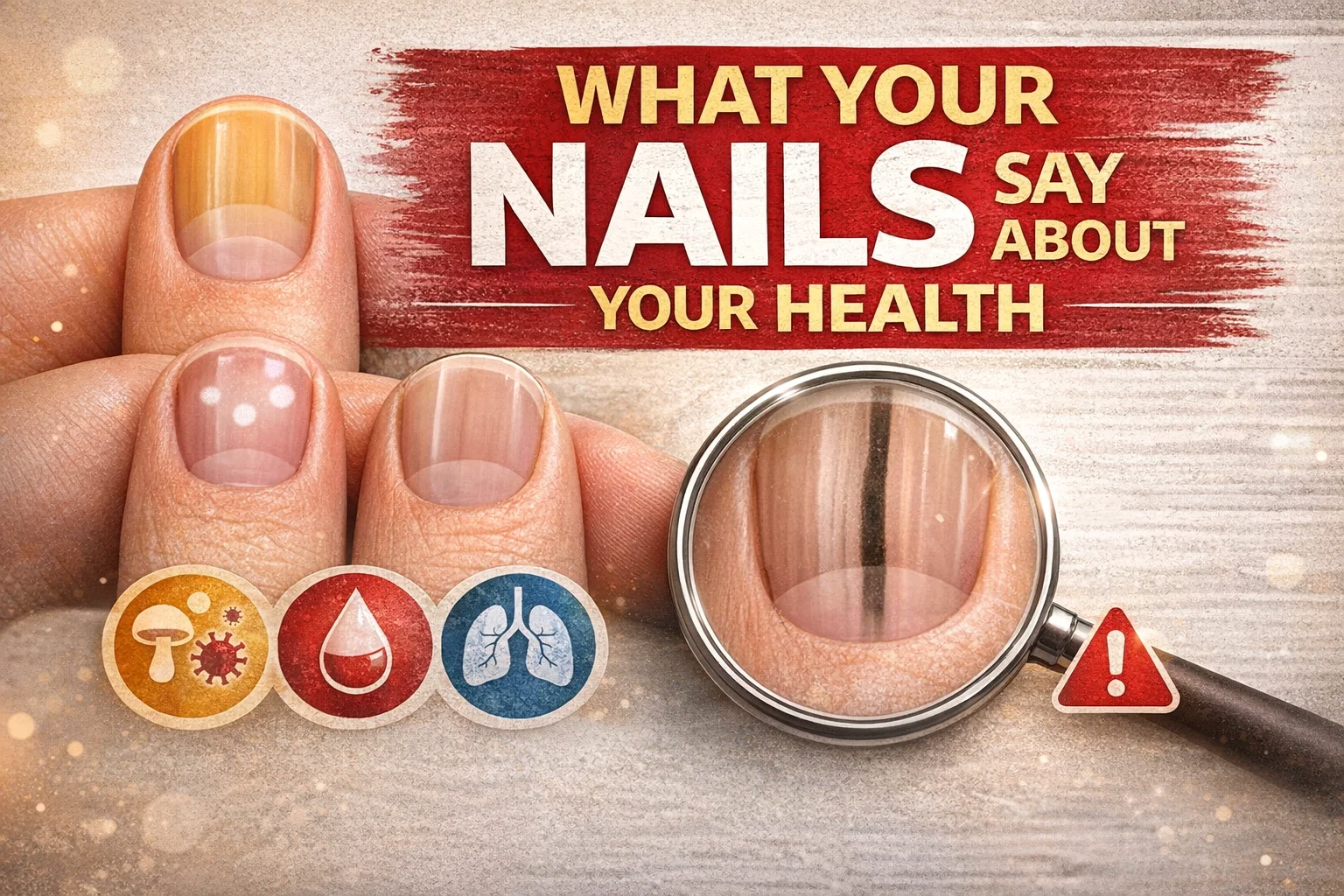
Perhaps the most common nail anomaly people notice are small, milky white spots scattered across the nail. While many people grew up hearing that these were caused by a calcium deficiency, the reality is often related to zinc. Zinc is a critical mineral for protein synthesis and cell division. When your levels are low, the nail plate can develop these small areas of incomplete keratinization, known as punctate leukonychia. Beyond your nails, a lack of zinc might also show up as a weakened immune system or slow wound healing. Increasing your intake of pumpkin seeds, oysters, or chickpeas can often help clear these spots up over a few months.
Yellowing Nails and Fungal Concerns
If your nails begin to take on a yellow, thickened, or brittle appearance, it is frequently a sign of a fungal infection, also known as onychomycosis. Fungi thrive in warm, moist environments and can slowly take over the nail bed, causing the nail to pull away or become discolored. However, yellow nails can sometimes point to more systemic issues. In rarer cases, persistent yellowing that affects all nails can be linked to respiratory conditions like chronic bronchitis or issues with the lymphatic system. If topical antifungal treatments do not seem to help, it is always wise to look closer at your internal health.
Structural Changes: Ridges and Shapes
The physical structure and silhouette of your nail can be just as telling as its color. Changes in the “topography” of the nail plate often mirror long-term nutritional trends or the body’s reaction to significant physiological stress.
Spoon-Shaped Nails and Iron Status
When nails become thin and concave, curving inward like a spoon to the point where they could hold a drop of water, the condition is called koilonychia. This is a classic hallmark of iron deficiency anemia. Iron is essential for producing hemoglobin, which carries oxygen to your tissues. When the nail matrix is starved of adequate oxygen, it loses its structural integrity, leading to this distinctive dipping. This is often accompanied by fatigue, cold hands, and pale skin. Addressing iron levels through diet or supplementation under medical supervision can eventually restore the nail’s natural convex shape.
Vertical Ridges and B12 Absorption
Many people notice fine vertical lines running from the cuticle to the tip of the nail as they age. While some vertical ridging is a natural part of the aging process, prominent or sudden ridges can be linked to a deficiency in Vitamin B12 or magnesium. B12 is vital for cell production, and a lack of it can cause the nail growth to become uneven. Furthermore, if these ridges are accompanied by brittleness, it might suggest that your body is struggling to absorb nutrients properly, perhaps due to low stomach acid or digestive imbalances.
Horizontal Lines: The Body’s Pause Button
Unlike vertical ridges, horizontal indentations known as Beau’s lines are usually a sign of a specific event. These lines occur when nail growth is temporarily interrupted by a severe illness, high fever, or intense period of malnutrition. It is as if the body decides to divert all its energy toward fighting an infection or healing an injury, putting “non-essential” functions like nail growth on hold. Because nails grow at a predictable rate, you can often trace a horizontal line back to a specific time when you were feeling unwell.
Color Shifts and Serious Warnings
Color changes are perhaps the most urgent signals your nails can send. While some are related to simple diet changes, others require immediate professional consultation.
Blue or Purple Hues and Oxygenation
A healthy nail bed should be a vibrant pink, reflecting the rich blood flow beneath the surface. If your nails take on a blue or purple tint, a condition called cyanosis, it typically indicates that your blood is not carrying enough oxygen. This can be a primary indicator of heart or lung problems. Whether it is a temporary reaction to extreme cold or a sign of a chronic condition like asthma or cardiovascular issues, persistent blue tones should never be ignored, as they suggest the body’s vital organs are struggling to get the oxygen they need.
The Black Line: A Critical Warning
One of the most important signs to watch for is a dark, vertical streak or black line appearing on the nail. While this can sometimes be a simple bruise from an injury, a dark line that appears without trauma and continues to grow can be a sign of subungual melanoma, a form of skin cancer that occurs under the nail. This is a serious warning that requires an immediate visit to a dermatologist. Early detection is absolutely key in treating melanoma, making this perhaps the most vital “warning” your nails can ever give you.
Clubbed Nails and Internal Health
Clubbing occurs when the fingertips enlarge and the nails curve steeply over the ends, often losing the normal angle between the nail and the cuticle. This change usually happens slowly over years. Clubbed nails are frequently associated with low oxygen levels in the blood and are often a sign of chronic lung disease, heart disease, or even inflammatory bowel disease. Because this change is so distinctive and linked to major organ systems, it is considered one of the most significant clinical signs in a physical examination.
Summary Table of Nail Signs
| Nail Sign | Potential Health Link |
|---|---|
| White Spots | Zinc Deficiency |
| Yellow Tint | Fungal Infection or Respiratory Issues |
| Spoon Shape | Iron Deficiency Anemia |
| Vertical Ridges | B12 Deficiency or Aging |
| Horizontal Lines | Acute Illness or Malnutrition |
| Blue/Purple Color | Heart or Lung Oxygenation Issues |
| Dark Vertical Line | Melanoma Warning |
| Clubbing | Chronic Heart or Lung Disease |
Nurturing Your Nails from the Inside Out
While it is fascinating to use your nails as a diagnostic tool, the best approach is to support them through consistent, healthy habits. A diet rich in biotin, silicon, and high-quality proteins provides the raw materials your body needs to build strong, resilient nails. Healthy fats, like those found in avocados and walnuts, help keep the nail bed lubricated and prevent brittleness. Additionally, staying hydrated is essential for maintaining the moisture balance of the nail plate.
External Care Matters Too
While internal health is paramount, how you treat your nails externally also plays a role. Frequent use of harsh chemicals, gel manicures, and acetone can weaken the keratin layers, making it harder to distinguish between a nutritional deficiency and simple external damage. Giving your nails a “breather” between treatments allows you to monitor their natural state and ensures that the signals they send are clear and easy to read.
Conclusion: Listening to Your Body
Our bodies are incredibly intelligent, using every available surface to give us clues about our well-being. Your nails are a constant, growing record of your health journey over the last several months. By paying attention to these nine warning signs, you are not just practicing good grooming, you are practicing deep self-care. Most changes in your nails are simple reminders to eat more greens, take your vitamins, or get more rest. However, because they can occasionally signal more serious conditions, staying observant is one of the easiest ways to catch potential health issues early. Next time you look down at your hands, take a moment to really see what your nails are saying. They might just be giving you the exact information you need to feel your best.
Would you like me to generate a specific supplement guide or a meal plan designed to improve nail health based on these findings?