16 Critical Body Warning Signs You Should Never Ignore Health Deficiencies Explained
Your body is a sophisticated communication system that never stops sending signals about your internal well-being. From the moment you wake up to the time you drift off to sleep, your physical self is constantly whispering or sometimes shouting messages about its needs. While many of us tend to brush off a sudden sugar craving or a bout of dizziness as a minor inconvenience, these are often the body’s way of flagging nutritional gaps or systemic imbalances. Learning to decode these warning signs is one of the most empowering steps you can take on your journey toward holistic health and long term vitality.
The Language of Your Body: Understanding Subtle Cues
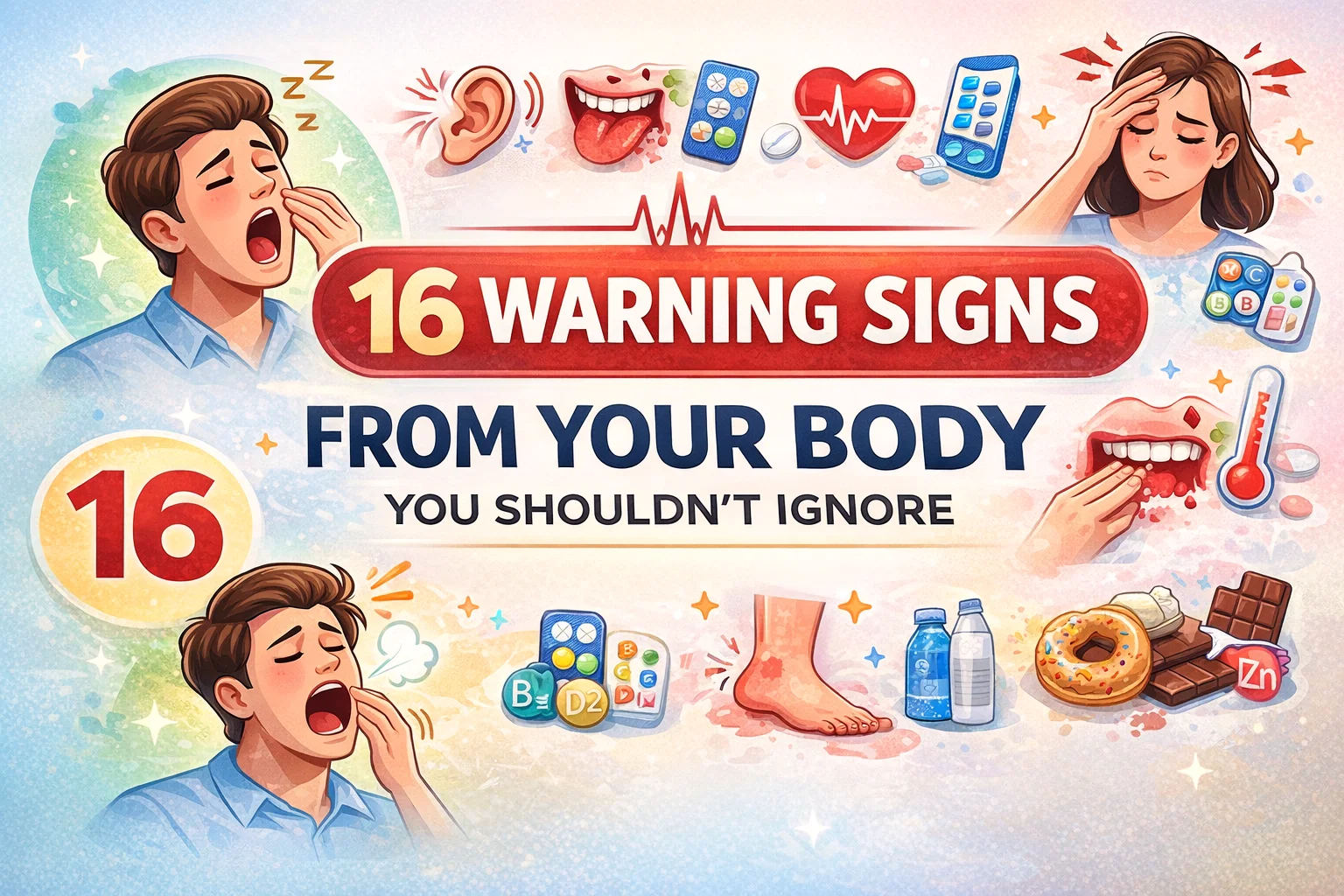
Physical symptoms are rarely random occurrences. Instead, they act as a biological dashboard, lighting up when a specific “fuel” is low or when a “part” needs attention. For instance, the image highlights how something as common as constant yawning might not just be a sign of boredom but could indicate low oxygen levels. Similarly, if your hands feel numb, your nervous system might be struggling with a Vitamin B12 deficiency. By shifting our perspective from seeing these signs as annoyances to viewing them as valuable data, we can move toward a more proactive and mindful way of living.
Nutritional Deficiencies and Their Common Indicators
A significant portion of the warning signs we experience daily can be traced back to what we are or are not putting into our bodies. Modern diets, while calorie rich, can often be nutrient poor, leading to specific deficiencies that manifest in surprising ways.
The Magnesium Connection: Cravings and Cramps
Magnesium is involved in over 300 biochemical reactions in the human body, so it is no surprise that a lack of it causes a ripple effect. If you find yourself reaching for a chocolate bar or a sugary snack every afternoon, your body might actually be asking for magnesium. This mineral is essential for glucose metabolism and energy production. Furthermore, if you experience sudden leg cramps at night, this is a classic secondary sign that your magnesium stores are depleted. Incorporating leafy greens, nuts, and seeds into your meals can often help bridge this gap naturally.
Vitamins for Energy and Nerve Health
Fatigue is a universal complaint, but when it becomes constant, it is often a red flag for Low Vitamin D. Often called the sunshine vitamin, Vitamin D plays a critical role in immune function and mood regulation. On the other hand, the health of your nervous system is heavily dependent on B vitamins. A burning sensation on the tongue or numbness in the hands and feet are frequently linked to B Vitamin and B12 deficiencies. These vitamins are the spark plugs of our cells, and without them, our energy levels and neurological signals begin to falter.
The Role of Trace Minerals: Zinc and Iron
Minerals like Zinc and Iron may only be needed in small amounts, but their absence is felt deeply. A loss of smell is a unique and telling sign of Zinc deficiency, an element vital for sensory perception and immune defense. Meanwhile, excess hair loss is a common indicator of Iron deficiency, which is essential for transporting oxygen to your cells. When your hair follicles do not receive enough oxygenated blood, they enter a resting phase, leading to thinning over time.
Circulation and Organ Function: Beyond the Surface
Not every warning sign is about a missing vitamin. Some indicators point toward how our internal systems are functioning as a whole. Poor circulation, often manifested through cold hands and feet, suggests that the heart is working harder to pump blood to the extremities. This can sometimes be improved through increased movement and hydration, but it remains a vital signal to monitor.
Oral Health as a Window to the Gut
The state of your mouth often reflects the state of your digestive system. Bad breath that persists despite good dental hygiene is frequently linked to gut problems or an imbalance in microbiome health. Additionally, bleeding gums are a classic hallmark of Vitamin C deficiency. This vitamin is crucial for collagen production and tissue repair, meaning that healthy gums are literally built on a foundation of adequate Vitamin C intake.
Hydration and Blood Pressure
Frequent headaches are one of the most common reasons people seek over the counter relief, yet the solution is often as simple as a glass of water. Dehydration reduces blood volume, which can lead to tension and throbbing in the head. More seriously, persistent ringing in the ears, known as tinnitus, can sometimes be an early warning sign of high blood pressure. These symptoms serve as reminders to prioritize hydration and monitor cardiovascular health through regular checkups.
Embracing a Holistic Approach to Wellness
When we recognize these signs, the goal should not just be to suppress the symptom, but to support the body’s natural healing processes. A holistic approach involves looking at the diet, stress levels, and environment to find the root cause of the imbalance. For many, this means returning to whole foods, practicing mindfulness to reduce stress, and spending more time in nature to regulate the body’s internal clock.
The Power of Whole Foods and Herbal Support
Nature provides an abundance of remedies for the signs mentioned above. Rather than reaching for synthetic supplements immediately, many find success by focusing on nutrient dense foods. Citrus fruits for Vitamin C, fatty fish for Vitamin D, and beans for Iron are excellent starting points. Additionally, herbalism offers gentle support for many of these issues, such as using peppermint for gut health or magnesium rich herbs like nettle to support mineral levels.
Listening to Your Intuition
Beyond the scientific explanations, there is an intuitive component to health. You know your body better than anyone else. If something feels off, even if it is a “minor” sign like dizziness or sugar cravings, it is worth investigating. Mindfulness practices, such as journaling about how you feel after certain meals or during different times of the month, can help you spot patterns that might otherwise go unnoticed.
Practical Steps for Better Daily Health
Taking action doesn’t have to be overwhelming. You can start by making small, sustainable changes to your daily routine that address several of these warning signs at once.
- Prioritize Hydration: Carry a water bottle and aim for consistent intake throughout the day to ward off headaches and support circulation.
- Diversify Your Plate: Eat a rainbow of vegetables to ensure you are getting a wide spectrum of vitamins and trace minerals.
- Get Outside: Even fifteen minutes of morning sunlight can significantly boost your Vitamin D levels and improve your mood.
- Practice Mindful Eating: Pay attention to your cravings. If you want sugar, try reaching for a handful of almonds or pumpkin seeds first to see if a mineral boost satisfies the urge.
Conclusion: Your Path to Vitality
Your body is incredibly resilient and possesses an innate wisdom that keeps you moving every day. By paying attention to the sixteen warning signs we have discussed, you are essentially learning a new language. Whether it is addressing a Vitamin C deficiency to stop bleeding gums or increasing your water intake to banish headaches, every small adjustment is an investment in your future self. Health is not a destination but a continuous process of listening, responding, and nurturing. Start today by giving your body the attention it deserves, and you will be amazed at how quickly it rewards you with increased energy, clarity, and overall well-being.