DIY Natural Homemade Deodorant for Dry Skin Easy 3-Step Gentle Nourishing Recipe
Switching to a natural lifestyle often starts with the products we use most frequently, and there is nothing more essential than our daily deodorant. If you have ever experienced the frustration of dry, itchy, or irritated underarms after using conventional sticks, you are not alone. Many store bought antiperspirants rely on harsh chemicals and aluminum salts that can strip the skin of its natural moisture. That is why crafting your own natural homemade deodorant for dry skin is such a game changer. It allows you to take full control of the ingredients, ensuring that every swipe provides nourishment rather than irritation. By focusing on gentle, food grade components like shea butter and coconut oil, you can create a formula that is as effective as it is soothing.
The Importance of Skin Health Under Your Arms
The skin under our arms is incredibly thin and sensitive. It is home to a high concentration of lymph nodes and sweat glands, making it a highly absorbent area of the body. When we apply products containing synthetic fragrances, parabens, or aluminum, those substances can cause long term dryness or even allergic reactions. For those with naturally dry skin, this area can become flaky and prone to redness, especially after shaving. Moving toward a DIY solution is not just about avoiding “the bad stuff,” it is about actively introducing “the good stuff” that supports your skin barrier.
Understanding Why Conventional Deodorants Fail Dry Skin
Most commercial deodorants are designed to be astringent. They aim to plug the sweat glands or dry out the surface of the skin to prevent moisture. While this might stop sweat, it often leaves the skin feeling tight and uncomfortable. Alcohol, a common ingredient in spray deodorants, evaporates quickly and takes the skin’s natural oils with it. When you make your own deodorant at home, you shift the focus from “drying” to “balancing,” using powders to absorb moisture and fats to protect the skin.
Breaking Down the Essential Ingredients
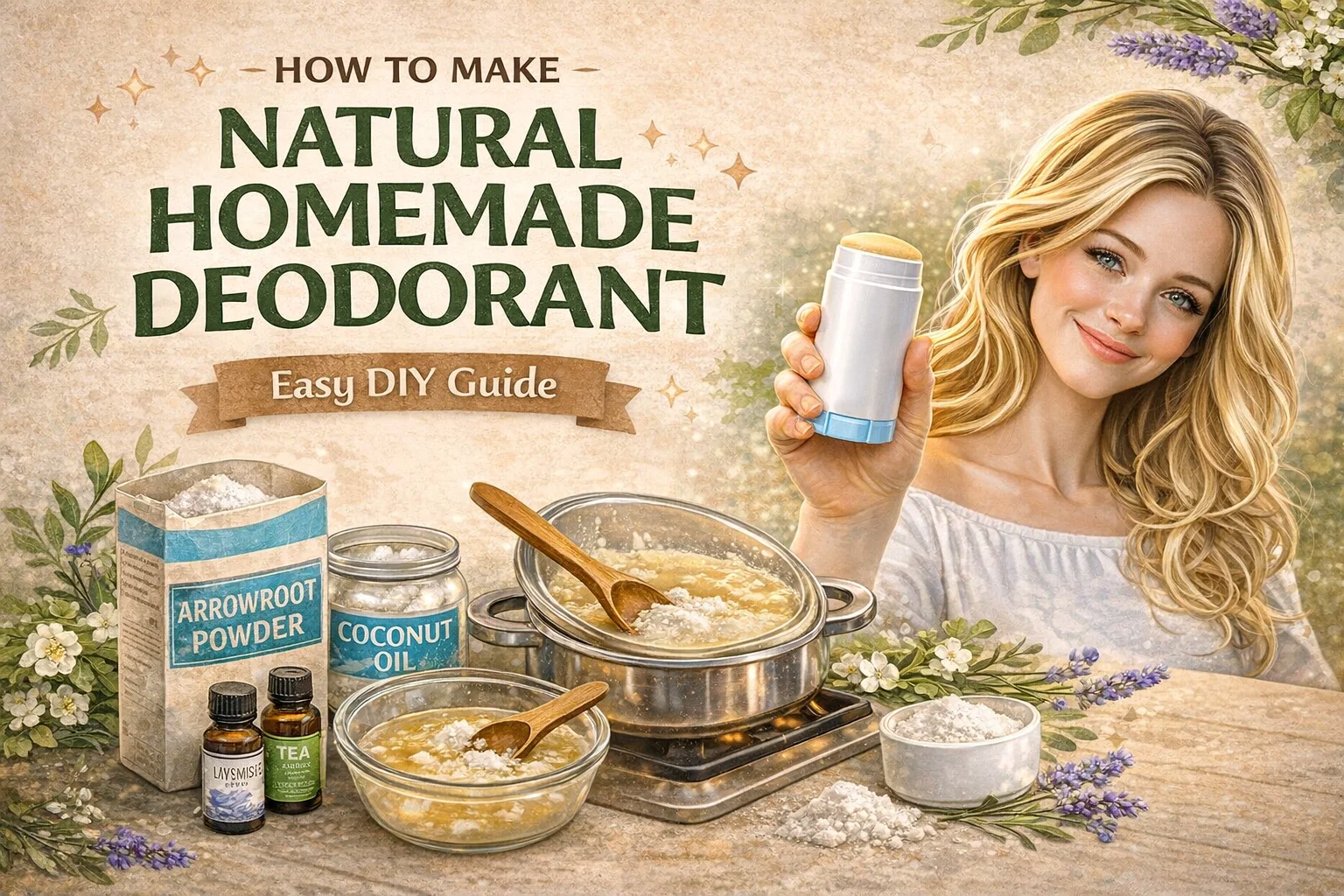
The beauty of the recipe featured in our guide lies in its simplicity. You do not need a chemistry degree to put this together. Each ingredient serves a specific purpose, working in harmony to keep you smelling fresh while treating your skin like a luxury spa guest.
- Coconut Oil: This is the backbone of many natural beauty products. It is naturally antibacterial and antifungal, which helps neutralize the bacteria that cause body odor. Plus, it melts at body temperature, making the deodorant easy to apply.
- Shea Butter: Known as “nature’s moisturizer,” shea butter is packed with vitamins A and E. It provides a creamy consistency and creates a breathable barrier that locks in moisture, which is vital for anyone prone to dryness.
- Arrowroot Powder: Unlike baking soda, which can be abrasive for some, arrowroot powder is silky and gentle. It works to absorb excess moisture throughout the day without clogging your pores or causing a pH imbalance.
- Essential Oils: These provide more than just a pleasant scent. Oils like lavender, tea tree, or peppermint offer additional antimicrobial properties, ensuring you stay fresh through a workout or a long day at the office.
Step by Step Guide to Crafting Your Deodorant
Creating this recipe is a therapeutic process that takes less than twenty minutes. The key is to use low, consistent heat to ensure all the fats and powders blend into a perfectly smooth silkiness. You will want to have a small glass jar or a recycled deodorant tube ready before you start, as the mixture begins to set fairly quickly once it is removed from the heat.
Phase 1: The Melting Process
Start by combining 1/4 cup of coconut oil and 1/4 cup of shea butter in a double boiler. If you do not have a double boiler, you can simply place a glass bowl over a pot of simmering water. This indirect heat is crucial because it prevents the oils from scorching, which could ruin their beneficial properties. Stir slowly with a wooden spoon until the mixture is a clear, golden liquid. This stage is where the magic starts, as the nutty aroma of the shea butter begins to fill the room.
Phase 2: Incorporating the Powders
Once your oils are fully melted, remove the bowl from the heat. This is the moment to whisk in your 1/4 cup of arrowroot powder. It is important to sift the powder in slowly to avoid clumps. Keep stirring until the liquid is completely smooth and opaque. If you notice any small white beads, continue stirring for another minute. The heat from the oils will help dissolve the powder, creating a uniform texture that will feel like velvet on your skin.
Phase 3: The Scent and Setting
Wait about two minutes for the mixture to cool slightly before adding your essential oils. Adding them while the liquid is boiling hot can cause the volatile compounds in the oils to evaporate, weakening the scent and the benefits. Use 10 to 15 drops of your favorite blend. Lavender and Lemon is a classic choice for a clean, floral finish, while Eucalyptus and Tea Tree offer a more medicinal, invigorating feel. Once stirred, pour the liquid into your container and let it sit at room temperature for several hours or in the fridge for thirty minutes until solid.
Customizing for Ultra Sensitive Skin
If you find that even natural deodorants sometimes cause a slight tingle or redness, you might have extra sensitive skin. A common “goodness hack” is to incorporate zinc oxide powder into the mix. Adding just one tablespoon of non nano zinc oxide can significantly reduce irritation and provide an extra layer of skin protection. Zinc is known for its skin healing properties and can actually help soothe razor burn while you wear your deodorant. It also adds a bit of “grip” to the formula, helping it stay in place during hot weather.
The Baking Soda Debate
You may have noticed that this specific recipe excludes baking soda. While baking soda is a powerful odor neutralizer, it has a high pH level that can be very irritating for people with dry or reactive skin. By relying on arrowroot powder and the antibacterial power of coconut oil and essential oils, we create a formula that is much kinder to the skin’s natural acid mantle. This makes it the perfect “starter” recipe for anyone worried about the “natural deodorant rash” that some people report when switching from traditional brands.
Tips for a Successful Transition to Natural Deodorant
If you are switching from a chemical antiperspirant to a homemade natural deodorant, your body might go through a short adjustment period. This is often called a “detox phase.” Since your pores are no longer being blocked by aluminum, your body may temporarily produce more sweat as it rebalances itself. Do not be discouraged! Usually, within one to two weeks, your body chemistry stabilizes, and you will find that you actually smell less than you did before. Staying hydrated and wearing natural fibers like cotton or linen can help during this transition.
How to Apply for Best Results
Because this recipe contains real butters and oils, a little goes a long way. Use a pea sized amount for each arm. If your deodorant is in a jar, use your fingertip to scoop it out and rub it into the skin until it disappears. If it is in a tube, hold it against your skin for a second to let your body heat soften the top layer before swiping. This ensures a smooth application without any tugging on the skin.
Maintaining Your Homemade Creation
Since this deodorant does not contain synthetic preservatives, it is best to keep it in a cool, dry place. In the height of summer, if your house gets very warm, the coconut oil might soften. If this happens, simply give it a quick stir and pop it in the fridge for a few minutes to firm it back up. Under normal conditions, your homemade deodorant will stay fresh and effective for six to twelve months, though it is so good you will likely use it up much faster than that.
Conclusion: Empower Your Beauty Routine
Taking the leap into DIY skincare is an empowering journey that connects you more deeply with the products you use every day. This natural homemade deodorant for dry skin is more than just a hygiene product; it is a nourishing balm that respects your body’s biology. By spending just a few minutes in the kitchen, you are choosing health, sustainability, and self care. You deserve to feel fresh and comfortable without compromising on your values or your skin’s well being. Give this recipe a try, experiment with your favorite scents, and enjoy the confidence that comes with knowing exactly what is going onto your skin. Your underarms will definitely thank you!