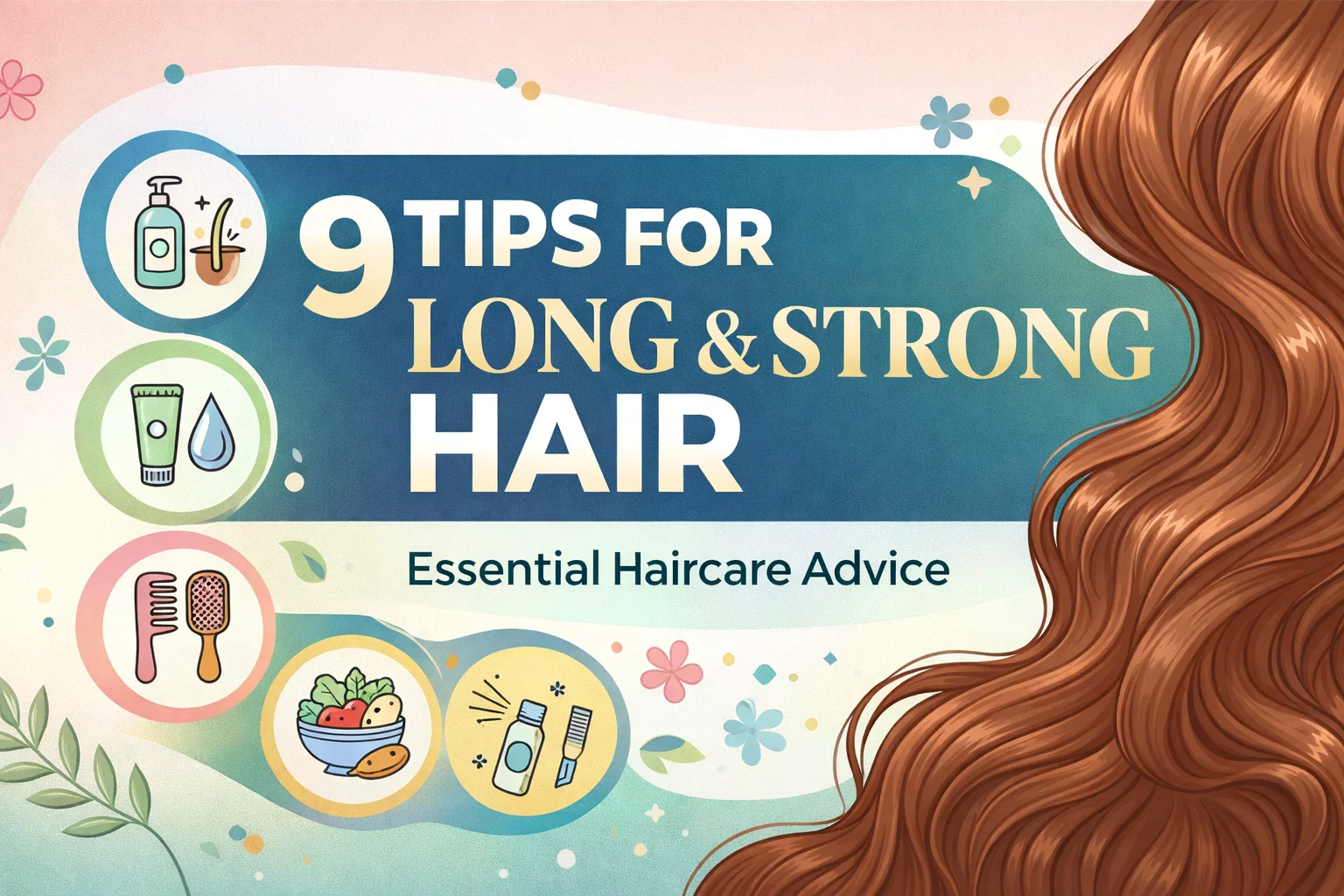
7 Tips for Long and Strong Hair Healthy Hair Growth Journey Care Guide
Have you ever looked in the mirror and wished your hair was just a little longer, a bit thicker, or significantly shinier? We have all been there. The journey to achieving luscious, flowing locks is not just about the products you pour on your head; it is a holistic process that involves patience, consistency, and a bit of science. Transforming your hair from brittle and stagnant to long and strong is a marathon, not a sprint. By adopting a dedicated hair care routine, you can unlock the full potential of your natural tresses and finally reach those length goals you have been dreaming about.
The good news is that healthy hair is attainable for everyone. It does not require a massive budget or a professional stylist on speed dial. Instead, it requires a fundamental understanding of how hair grows and what it needs to thrive. In this comprehensive guide, we are diving deep into the essential pillars of hair health, from the way you wash your scalp to the food you put on your plate. Let us explore the seven transformative tips that will redefine your hair journey.
Mastering the Art of Gentle Cleansing
The foundation of any great hair care routine starts in the shower. However, many of us are inadvertently damaging our hair before we even step out of the water. The primary culprit is often the very product we rely on to get clean: shampoo. Traditional shampoos are often packed with harsh sulfates, which are industrial strength detergents that strip away the natural oils your scalp produces to keep your hair hydrated.
Switch to Sulfate-Free Formulas
When you switch to a sulfate-free shampoo, you are making a commitment to your hair moisture levels. These gentler formulas cleanse the scalp without causing the cuticle to lift excessively, which leads to frizz and breakage. You might notice that sulfate-free options do not lather as intensely as traditional soaps, but do not let that fool you. They are still working hard to remove dirt and excess oil while leaving your hair integrity intact.
The Power of Scalp Massage
While you are washing your hair, do not just rush through the process. Take a few minutes to give yourself a vigorous yet gentle scalp massage. Using the pads of your fingers, move in circular motions across your entire head. This simple act does more than just feel good; it increases blood flow to the hair follicles. Improved circulation ensures that your roots are receiving the oxygen and nutrients they need to produce strong, healthy strands.
Finding Your Wash Frequency
Over-washing is one of the most common mistakes in hair care. Washing your hair every single day can lead to a dry, itchy scalp and brittle ends. For most hair types, washing two to three times a week is the sweet spot. This allows your natural oils to travel down the hair shaft, providing a built-in conditioning treatment that no bottled product can truly replicate.
Deep Hydration and Moisture Retention
Hair that lacks moisture is prone to snapping, especially when it reaches longer lengths. Think of your hair like a plant; without water, it becomes dry and breaks easily. To maintain elasticity and shine, you must prioritize hydration at every stage of your routine.
Conditioning and Hair Masks
Conditioner is not optional. Every time you cleanse, you must follow up with a high-quality conditioner to seal the hair cuticle. Once a week, swap your standard conditioner for a deep conditioning hair mask. These treatments are formulated with smaller molecules that can penetrate deeper into the hair shaft, providing an intensive boost of hydration that lasts for days.
Focusing on the Ends
The ends of your hair are the oldest part of the strand. They have endured months or even years of styling, weather, and friction. Consequently, they need the most love. When applying conditioners or oils, always start at the tips and work your way up to the mid-lengths. Avoid putting heavy conditioning products directly on your roots, as this can weigh your hair down and make it appear greasy faster.
Smart Styling and Protection
We all love a good hairstyle, but the way we manipulate our hair daily can have a massive impact on its longevity. Smart styling is about being conscious of the physical stress you are putting on your strands and finding ways to minimize it.
The Wide-Tooth Comb Advantage
Ditch the fine-tooth plastic brushes, especially when your hair is wet. Wet hair is in its most fragile state and is highly susceptible to stretching and snapping. A wide-tooth comb allows you to detangle knots gently without putting excessive tension on the hair. Always start detangling from the bottom and work your way up to the roots to prevent creating larger, more difficult knots.
Environmental Defense
We often remember to protect our skin from the sun, but we rarely think about our hair. UV rays can degrade the proteins in your hair and fade your color. Similarly, harsh winds can cause tangles that lead to breakage. If you are spending a long day outdoors, consider wearing a hat or using a hair mist that contains UV protection to keep your strands shielded from the elements.
Reducing Heat for Maximum Strength
Heat is the ultimate enemy of length retention. While blow dryers, flat irons, and curling wands provide instant gratification, they essentially cook the moisture out of your hair over time. If you are serious about growing your hair long and strong, you must re-evaluate your relationship with heat tools.
Embrace Air Drying
Whenever possible, let your hair air dry. If you are worried about frizz, use a microfiber towel or an old cotton t-shirt to gently blot the water out of your hair. Unlike regular towels, these fabrics do not have rough fibers that disturb the hair cuticle. You will be surprised at how much healthier your hair feels after just a few weeks of avoiding the blow dryer.
Use Heat Protectants Every Single Time
On those occasions when you absolutely must use heat, never do so on bare hair. A heat protectant spray acts as a barrier between the hot tool and your hair strand, distributing the heat more evenly and preventing the internal structure of the hair from burning. It is a non-negotiable step for anyone on a healthy hair journey.
Nourishing from the Inside Out
You can use the most expensive products in the world, but if your body is not getting the right nutrients, your hair will never reach its full potential. Your hair is an extension of your internal health, and it requires a specific set of vitamins and minerals to grow.
The Role of Protein
Hair is primarily made of a protein called keratin. If your diet is low in protein, your body will prioritize your vital organs and leave your hair out in the cold. Ensure you are consuming enough high-quality protein sources like eggs, fish, nuts, and legumes. These provide the building blocks necessary for your follicles to produce thick, resilient hair.
Vitamins and Hydration
Specific vitamins play a starring role in the hair growth cycle. Vitamin E protects against oxidative stress, Vitamin C aids in collagen production, and Biotin is well known for improving the hair keratin infrastructure. Furthermore, do not underestimate the power of water. Hydration starts internally; drinking plenty of water ensures that your scalp remains hydrated and your hair stays supple.
The Paradox of Regular Trims
It might seem counterintuitive to cut your hair when you are trying to grow it out, but regular trims are essential for length retention. When you develop split ends, they do not just stay at the tips. If left untreated, a split will travel up the hair shaft, causing the entire strand to break off much higher up.
By scheduling a trim every 8 to 12 weeks, you are removing the damaged ends before they can cause more significant problems. Think of it as maintenance. You are not losing length; you are ensuring that the length you do have is healthy, thick, and free of “see-through” ends that make hair look thin and ragged.
Protecting Your Hair While You Sleep
Many of us spend eight hours a night tossing and turning on cotton pillowcases. Cotton is an absorbent material that sucks the moisture out of your hair, and its rough texture creates friction that leads to morning frizz and tangles. To protect your hair at night, consider these simple changes.
- Silk or Satin Pillowcases: These smooth fabrics allow your hair to glide over the surface without friction, preserving your hairstyle and preventing breakage.
- Loose Hairstyles: Never sleep with a tight ponytail or bun. This puts constant tension on your hairline and can lead to traction alopecia. Instead, try a loose braid or a “pineapple” bun with a silk scrunchie.
- Avoid Wet Hair at Bedtime: Sleeping on wet hair can lead to fungal issues on the scalp and makes the hair more prone to stretching and snapping as you move in your sleep.
Your Path to Vibrant Hair
Achieving long and strong hair is a rewarding journey that involves a blend of external care and internal nourishment. By implementing these seven tips, you are creating an environment where your hair can truly flourish. Remember that results do not happen overnight. It takes time for new, healthier hair to grow in and for you to see the cumulative effects of your efforts.
Stay consistent with your gentle cleansing, prioritize moisture, and be mindful of how you style your hair each day. Combine these habits with a nutrient-rich diet and protective sleep measures, and you will be well on your way to the best hair of your life. Start today, be patient with your progress, and enjoy the confidence that comes with a healthy, vibrant mane.