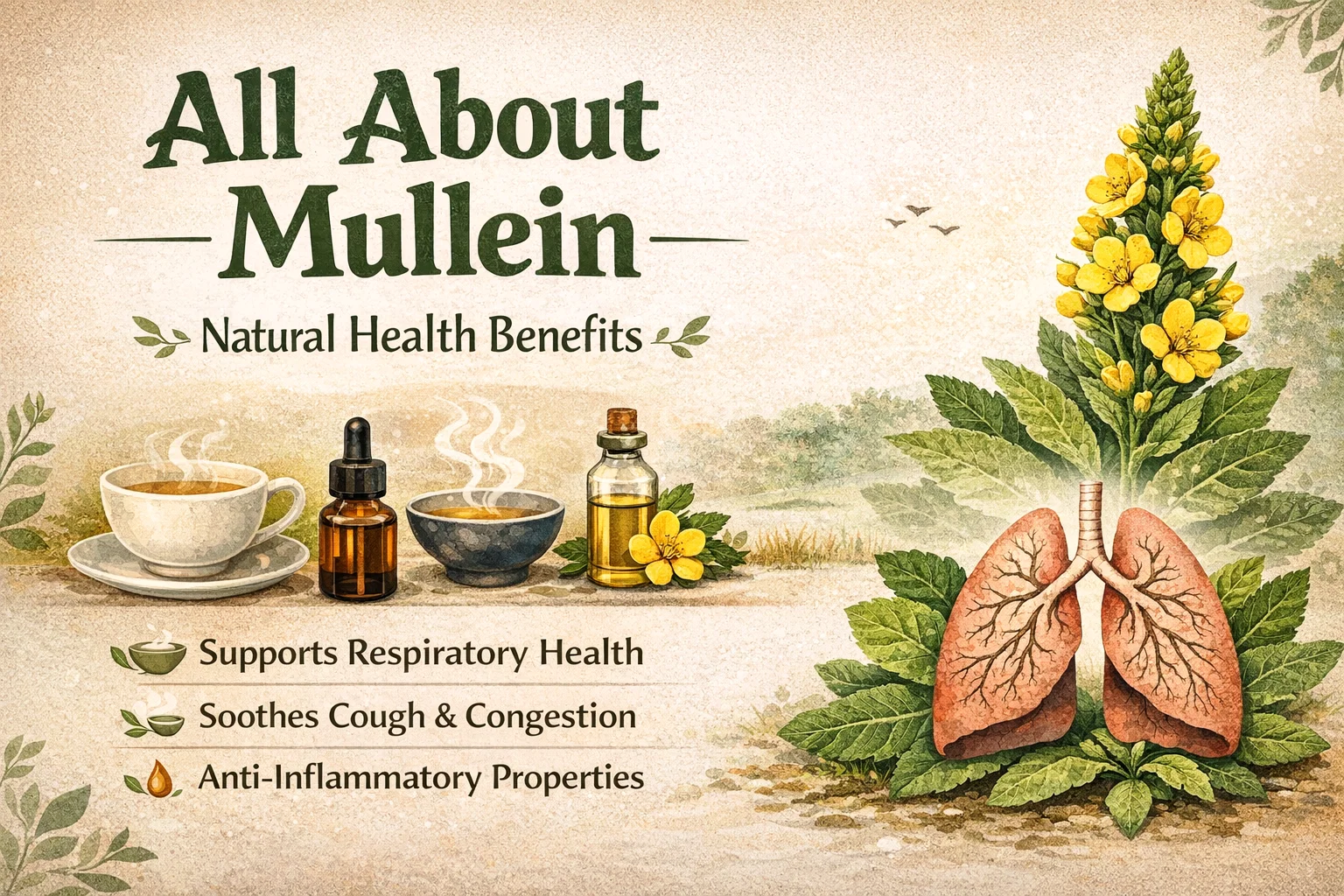
Mullein Herb Benefits How to Grow and Use Natures Lung Herb for Respiratory Health
Walking through a dry, gravelly field, you might spot a tall, velvety stalk reaching toward the sky, crowned with a cluster of bright yellow flowers. To the untrained eye, it looks like a common roadside weed. However, to herbalists and nature enthusiasts, this plant is known as Verbascum thapsus, or more commonly, Mullein. Often referred to as nature’s lung herb, Mullein has been a staple in traditional medicine for centuries. Its unique appearance and powerful respiratory benefits make it one of the most respected plants in the botanical world. Whether you are an aspiring gardener or someone looking for natural ways to support your breathing, understanding the magic of Mullein is a journey worth taking.
The Fascinating Life Cycle of the Mullein Plant
One of the most interesting things about growing Mullein is that it is a biennial plant. This means it follows a strict two year life cycle that requires a bit of patience from the gardener. During the first year, the plant focuses all its energy on building a strong foundation. It produces a low growing rosette of thick, silvery, woolly leaves. These leaves are incredibly soft to the touch, which is why some people historically referred to it as Cowboy Toilet Paper. This fuzzy texture is actually a survival mechanism, helping the plant retain moisture and deter hungry insects.
In the second year, the transformation is dramatic. From the center of that soft rosette, a sturdy flower spike shoots upward, sometimes reaching heights of six to eight feet. This stalk is topped with a dense spike of yellow blossoms that open a few at a time. Because it is so tall and distinct, it earned the nickname Candlewick Plant. In ancient times, the dried stalks were dipped in tallow or wax to create primitive torches. Once the flowering is done, the plant produces thousands of tiny seeds, ensuring that new rosettes will pop up in the vicinity the following spring.
Nature’s Lung Herb: Why Mullein is a Respiratory Powerhouse
The reputation of Mullein as a respiratory healer is well earned. It has been used across various cultures, from Native American traditions to European folk medicine, specifically to target the lungs and bronchial tubes. But what exactly makes it so effective? The answer lies in its chemical composition, which includes mucilage, saponins, and tannins.
The Role of Mucilage and Saponins
Mullein is rich in mucilage, a gelatinous substance that provides a soothing coating for irritated mucous membranes. When you have a dry, hacking cough that makes your throat feel like sandpaper, the mucilage in Mullein acts as a natural demulcent, reducing inflammation and providing immediate relief. On the flip side, the plant also contains saponins. These compounds act as natural expectorants. They help break up stubborn phlegm and congestion in the chest, making it easier for the body to expel mucus. This dual action—soothing irritation while clearing out gunk—is why Mullein is often the first choice for managing conditions like bronchitis, asthma, and heavy chest colds.
How to Successfully Grow Mullein in Your Own Garden
If you have a brown thumb, Mullein might be your new best friend. This plant is notoriously hardy and thrives in conditions where other plants would wither. It actually prefers poor, rocky, or sandy soil over rich, fertilized garden beds. If the soil is too nutrient dense, the plant can become floppy and lose its structural integrity.
- Sunlight Requirements: Mullein loves the sun. To get those tall, impressive second year stalks, make sure you plant it in a spot that receives at least six to eight hours of direct sunlight daily.
- Watering and Drought Tolerance: Once established, Mullein is incredibly drought tolerant. Its deep taproot allows it to find water deep in the earth, meaning you rarely need to reach for the watering can once the plant has settled in.
- Self Seeding: Be prepared for Mullein to stick around. Because it produces so many seeds, it will likely return year after year without any extra effort on your part. If you want to control the spread, simply cut the flower stalk before the seeds drop.
Practical Ways to Use Mullein for Health
Knowing how to use the plant is just as important as knowing how to grow it. Different parts of the Mullein plant offer different benefits, and there are several ways to prepare it depending on your needs.
Mullein Tea: The Classic Remedy
Mullein tea is perhaps the most popular way to enjoy its benefits. You can use either fresh or dried leaves. However, there is one critical rule to remember: always strain your tea well. Mullein leaves are covered in tiny, fine hairs. If these hairs make it into your cup, they can actually irritate your throat and cause more coughing instead of less. Using a very fine mesh strainer, a coffee filter, or several layers of cheesecloth is the best way to ensure a smooth, healing brew.
Steam Inhalation for Instant Relief
If you are suffering from severe sinus congestion or a tight chest, steam inhalation is a game changer. Simply place dried Mullein leaves in a bowl of boiling water, drape a towel over your head, and breathe in the steam for five to ten minutes. The moist heat combined with the plant’s volatile compounds helps to open up the airways and thin out mucus quickly.
Tinctures and Oils
For a more concentrated dose, many people prefer a Mullein tincture, which is an alcohol based extract. This is great for long term respiratory support. Additionally, Mullein flowers are often infused into carrier oils like olive oil. This specific preparation is a traditional folk remedy for earaches. A few drops of warmed Mullein flower oil in the ear can help reduce pain and inflammation associated with minor ear infections.
Safety and Considerations
While Mullein is generally considered safe for most people, it is always wise to practice caution when introducing a new herb into your routine. Aside from the necessity of straining out the leaf hairs, some individuals might have a topical sensitivity to the plant. If you are pregnant or breastfeeding, consulting with a healthcare professional before regular use is recommended. Because Mullein is so effective at clearing the lungs, it is often used as a supportive therapy rather than a replacement for prescribed medical treatments for chronic conditions like severe asthma.
A Deep Dive into Mullein History and Folklore
The history of Mullein is as tall as its stalks. Beyond its medicinal uses, it has played a role in many cultural myths and practical applications. In ancient Greece, the physician Dioscorides recommended it for diseases of the lung over two thousand years ago. In the Middle Ages, it was believed that carrying a piece of Mullein could protect a person from evil spirits and wild animals.
The plant also served a very practical purpose in the world of beauty. The flowers were often used to create yellow hair dye, and some cultures used the fuzzy leaves as a natural rouge. By rubbing the leaves on their cheeks, the tiny hairs would cause a slight irritation, resulting in a natural, rosy glow. While we might prefer modern makeup today, it shows just how integrated this plant was in the daily lives of our ancestors.
Conclusion: Bringing Mullein into the Modern Home
In a world where we often turn to synthetic solutions for every minor ailment, Mullein stands as a reminder of the power found in the soil beneath our feet. It is a plant that asks for very little but gives back in abundance. From its striking presence in a landscape to its soothing touch on an inflamed respiratory system, Mullein truly earns its title as a must-have medicinal herb. Whether you decide to plant a few rosettes in a sunny corner of your yard or keep a jar of dried leaves in your pantry for tea, you are participating in a healing tradition that spans millennia. So the next time you see that tall, yellow spike standing guard in a field, you will know exactly what a treasure you have found.