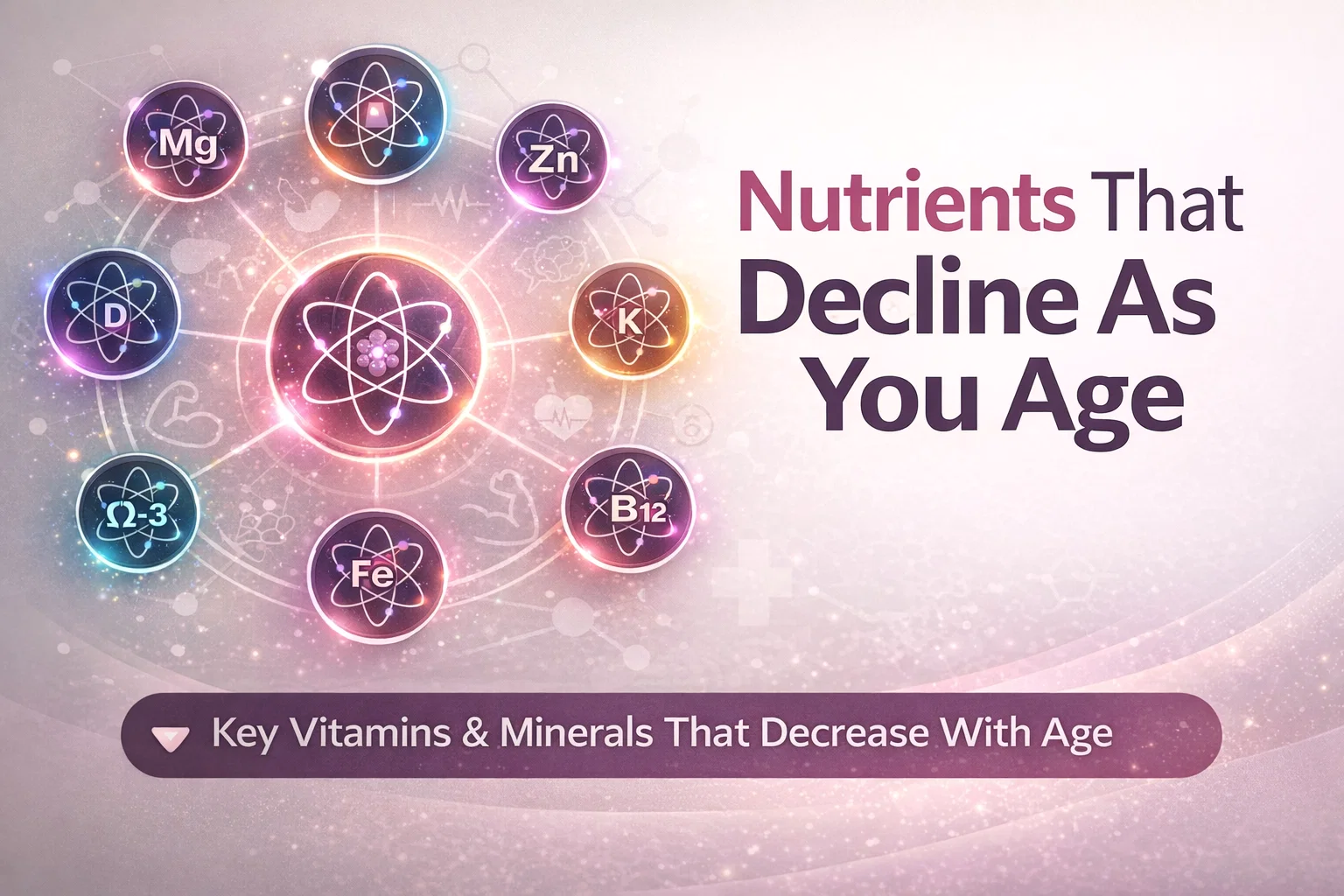
12 Essential Nutrients That Decline As You Age Stay Healthy and Energized
As we navigate the journey of life, our bodies undergo a series of remarkable transformations. While many of these changes are visible in the mirror, some of the most profound shifts happen deep within our cells and metabolic pathways. One of the most critical aspects of aging that often goes overlooked is the gradual decline of essential nutrients. Whether it is a decrease in natural production, like collagen and CoQ10, or a drop in absorption efficiency, such as with Vitamin B12 and Iron, these changes can significantly impact how we feel, move, and think. Understanding which nutrients start to dip as the candles on the birthday cake increase is the first step toward proactive longevity and vibrant health.
The Science of Nutrient Decline: Why It Happens
You might be eating the same healthy diet you did in your twenties, yet finding yourself more fatigued or prone to aches. This is because the aging process affects the bioavailability of nutrients. Bioavailability refers to how much of a nutrient actually reaches your bloodstream after you consume it. Several factors contribute to this decline. For starters, the production of stomach acid (hydrochloric acid) naturally decreases as we age, which is a primary reason why Vitamin B12 and Iron levels often plummet. Without sufficient acid, the body struggles to break down proteins and release the minerals bound to them.
Additionally, our skin becomes less efficient at synthesizing Vitamin D from sunlight, and our kidneys become less effective at converting that Vitamin D into its active form. On a cellular level, the “powerhouses” of our cells, the mitochondria, begin to produce less CoQ10, leading to a dip in overall cellular energy. Recognizing these biological shifts allows us to adjust our lifestyles and dietary choices to compensate for what time takes away.
Essential Minerals: The Foundation of Physical Resilience
Minerals act as the spark plugs for thousands of enzymatic reactions in the body. When these levels drop, the physical manifestations are often immediate and noticeable.
Magnesium: The Relaxation Mineral
Magnesium is involved in over 300 biochemical reactions, yet it is one of the first nutrients to decline due to both age and increased cortisol levels from modern stress. A deficiency in magnesium often manifests as poor sleep quality, muscle cramps, and increased anxiety. Because magnesium is responsible for muscle relaxation and nerve function, keeping these levels steady is vital for maintaining a calm nervous system and recovering from daily physical activity.
Zinc: Your Immune Guardian
Zinc is a powerhouse for the immune system and wound healing. As we age, zinc levels tend to drop, which can leave us more susceptible to seasonal illnesses and slow the recovery process from minor injuries. Furthermore, zinc plays a massive role in hormone balance. For many, a decline in zinc is directly linked to a decrease in sensory functions like taste and smell, making it one of the most important minerals to monitor for quality of life.
Potassium and Blood Pressure Regulation
Potassium is essential for maintaining the electrical conductivity of the heart and regulating blood pressure. As absorption rates fall, the risk of salt sensitivity and hypertension can rise. Ensuring adequate potassium intake helps balance the sodium in your diet, protecting your cardiovascular system and ensuring your muscles have the fuel they need to contract and relax properly.
The Vitamin Gap: Energy, Bone Health, and Mood
Vitamins are organic compounds that our bodies generally cannot produce on their own, making dietary intake and absorption paramount.
Vitamin D: The Sunshine Vitamin
Vitamin D is technically a pro-hormone, and its role in the body is vast. It is the primary driver for calcium absorption; without it, your bones can become brittle regardless of how much milk you drink. Beyond bone health, Vitamin D is a major player in mood regulation and immune defense. Since older skin produces significantly less Vitamin D than younger skin, supplementation or targeted food choices often become a necessity rather than an option.
Vitamin B12: Brain Power and Nerve Health
If you find yourself experiencing “brain fog” or strange tingling sensations in your hands and feet, Vitamin B12 might be the culprit. Because B12 requires a specific protein called intrinsic factor and plenty of stomach acid to be absorbed, it is one of the most common deficiencies in adults over 50. This vitamin is crucial for maintaining the protective sheath around your nerves and for the production of red blood cells that carry energy-giving oxygen throughout your body.
The Power of Internal Production: CoQ10 and Collagen
Some of the most important substances for youthfulness are things our bodies make internally. Unfortunately, these “fountains of youth” have a peak and a subsequent decline.
CoQ10: The Cellular Battery
Coenzyme Q10 (CoQ10) is found in every cell of the body, but it is most concentrated in the heart, where energy demands are highest. It acts as an antioxidant and a key component of the electron transport chain, which produces ATP (energy). As natural production slows down in our 30s and 40s, heart muscle efficiency can decrease, and we may feel a general sense of reduced stamina.
Collagen: Strength for Skin and Joints
Collagen is the most abundant protein in the human body, acting as the “glue” that holds everything together. It provides structure to our skin, hair, nails, and connective tissues. The steady decrease in collagen production is why skin begins to lose elasticity and joints start to feel stiff or “creaky.” Supporting collagen levels through amino acids and specific nutrients can help maintain the integrity of your musculoskeletal system.
Protecting Your Systems: Omega-3s, Iodine, and Antioxidants
Modern lifestyle factors combined with aging create a “perfect storm” for inflammation and metabolic slowdown. This is where fats and specialized elements come into play.
- Omega-3 Fatty Acids: These healthy fats are essential for controlling inflammation and supporting brain health. As we age, our utilization of these fats can fall, leading to increased joint pain and a higher risk of cognitive decline.
- Iodine: Often overlooked, iodine is the fuel for your thyroid. A decline in iodine intake or absorption can lead to a sluggish metabolism, making it harder to maintain a healthy weight and consistent body temperature.
- Antioxidants: Your body has an endogenous antioxidant system designed to fight off free radicals. As these internal defenses weaken, oxidative stress increases, leading to cellular damage. Consuming a wide variety of colorful plants helps bolster these defenses.
Actionable Tips to Reverse the Decline
The goal isn’t just to add years to your life, but to add life to your years. Here are a few ways to ensure you are getting the nutrients your body craves:
Focus on Gut Health
Since absorption is a major hurdle, supporting your digestive system is key. Consider incorporating fermented foods like kefir or sauerkraut to support your microbiome, and speak with a professional about whether digestive enzymes might help you break down your meals more effectively.
Prioritize Nutrient Density
When absorption efficiency drops, every bite counts. Focus on whole, unprocessed foods that are rich in the minerals and vitamins listed above. Think leafy greens for magnesium, fatty fish for Omega-3s, and colorful berries for antioxidants.
Strategic Supplementation
While food should always come first, the biological reality of aging means that supplements can be an incredible tool. Regular blood work can help you identify exactly where your levels sit, allowing you to tailor a supplement routine that addresses your specific needs without guesswork.
Conclusion: Empowering Your Aging Process
The decline of certain nutrients as we age is a biological certainty, but feeling “old” doesn’t have to be. By identifying the key players like Magnesium, Vitamin B12, Collagen, and Vitamin D, you can take active steps to replenish what your body is losing. Whether it is through a more mindful diet, lifestyle adjustments to manage stress, or a high-quality supplement protocol, you have the power to support your body’s resilience. Stay curious about your health, listen to the signals your body is sending you, and remember that it is never too late to start nourishing your way to a more vibrant, energetic version of yourself. Your future self will thank you for the investment you make in your nutritional health today.