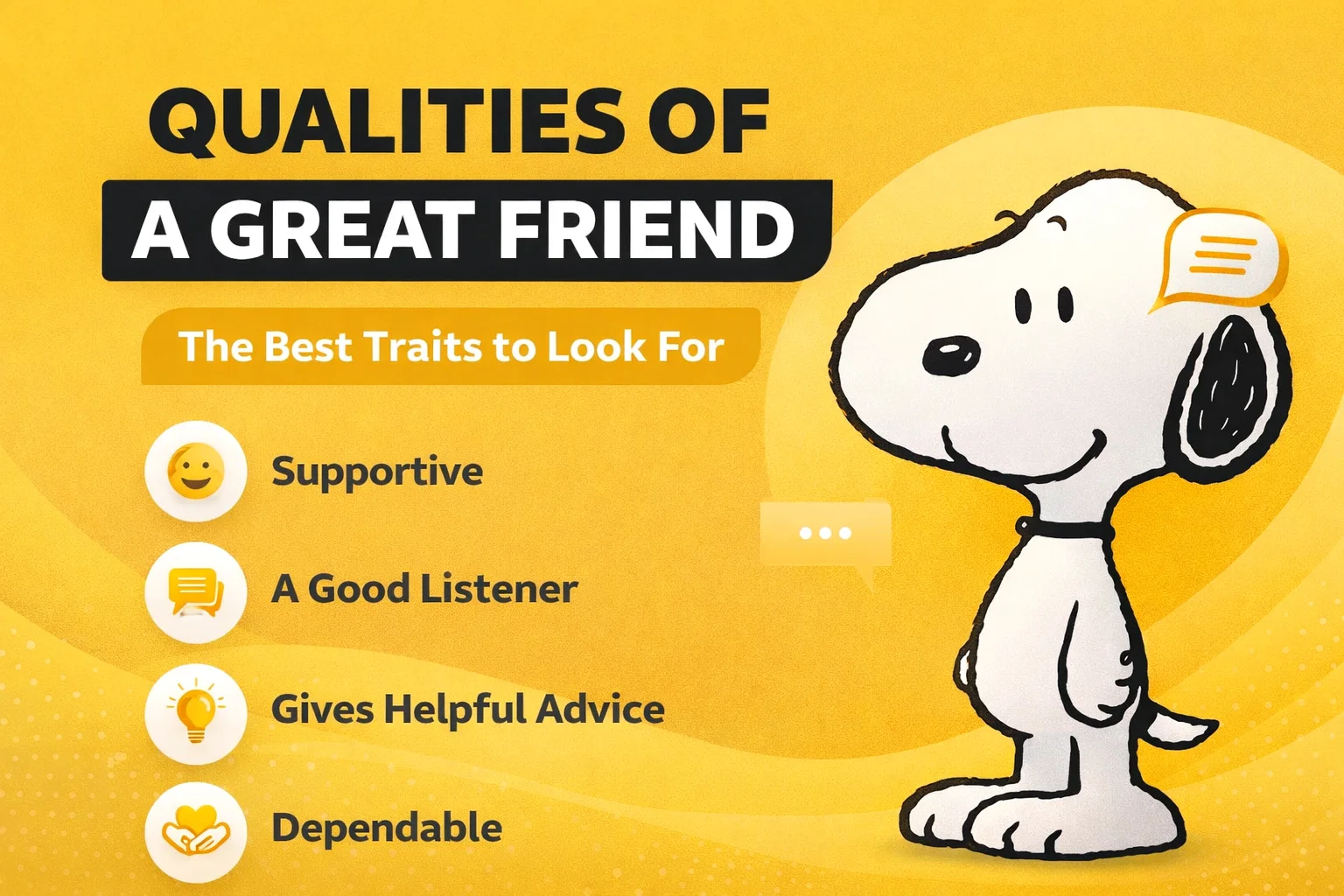
Eureka Peanuts Snoopy The Perfect Friend Classroom Poster
Creating a nurturing and welcoming environment for children is one of the most rewarding aspects of teaching or parenting. When children feel safe and supported, their capacity to learn and grow expands exponentially. One of the foundational pillars of this emotional development is learning how to build and maintain healthy friendships. It is a skill that takes practice, patience, and plenty of positive reinforcement. Visual cues play a massive role in this learning process, and few characters bring as much joy and universal appeal to the table as the beloved beagle from the Peanuts gang. By incorporating iconic, friendly faces into educational spaces, we can make complex social concepts accessible and incredibly fun to explore.
There is a special kind of magic in using classic characters to teach modern Social-Emotional Learning concepts. Children are naturally drawn to animals and cartoons, making Snoopy an absolutely perfect ambassador for friendship. He is loyal, funny, and deeply expressive without ever needing to say a word. When we look at materials designed to teach kids about what makes a good friend, breaking down those traits into easily digestible pieces is key. Let us explore the profound impact of using visual aids to teach friendship and how the specific traits of a perfect companion can be cultivated in any learning environment.
The Power of Visual Aids in Social-Emotional Learning
Social-Emotional Learning is no longer an afterthought in education. It is front and center. However, teaching a child how to be empathetic or how to actively listen is much harder than teaching them how to add or subtract. Emotions are abstract. Friendship is nuanced. This is exactly where visual aids become indispensable tools for educators and parents alike.
Transforming Blank Walls into Silent Teachers
A classroom or playroom wall is prime real estate for passive learning. When a child’s eyes wander, they should land on things that reinforce positive values. A poster detailing the anatomy of a good friend acts as an anchor. When a conflict arises during recess, a teacher does not have to start from scratch. They can simply point to the wall and ask the students to reflect on which friendship traits they are currently using and which ones they might need to practice a little more. The visual provides a shared vocabulary for the whole room.
The Timeless Appeal of Nostalgic Characters
Why do we keep coming back to classic characters like those from Peanuts? The answer lies in their multigenerational appeal. Parents and teachers grew up with these characters, creating an immediate sense of nostalgia and warmth. When educators feel a connection to the decor, their enthusiasm translates to the students. Furthermore, the simple, bold line art of classic comic strips is incredibly effective for young eyes. The uncluttered design ensures that the message is the star of the show.
Dissecting the Anatomy of a True Friend
If we want children to be great friends, we have to tell them exactly what that looks like in practice. Vague instructions like “be nice” often fall short. We need to get specific. By breaking down the characteristics of friendship, we give children actionable goals. Let us dive into the core traits that make up the ultimate companion.
A Warm and Positive Presence
“Always happy to see you” and “Loves to share a smile.” These two traits form the absolute bedrock of connection. Teach children that the simple act of greeting someone with enthusiasm can completely turn their day around. A smile is an invitation. It tells another person that they are valued and welcome. In a classroom setting, you can practice this by having morning greeters. When children practice looking each other in the eye and sharing a warm smile, they are building the muscle memory for lifelong positive social interactions.
The Art of Communication
“Always ready to listen” and “Full of great advice.” Listening is perhaps the most difficult skill for young children to master. They are naturally eager to share their own stories. Teaching a child to be “ready to listen” means teaching them to quiet their own minds for a moment to truly hear someone else. You can explain that a good friend listens with their ears, their eyes, and their heart. Once the listening is done, the advice can follow. For kids, “great advice” might just be a suggestion to go play on the swings or to take a deep breath, but it is the intention to help that truly matters.
Unwavering Support and Loyalty
“Available to lean on” and “For standing by your side.” True friendship is not just about laughing together during the fun times. It is about solidarity when things get tough. Children experience very real stresses, from a scraped knee to a frustrating puzzle. Knowing there is a friend who will stand by their side provides immense psychological safety. We can encourage this by praising children when we see them defending a peer or simply sitting quietly with a friend who is feeling sad. Loyalty is a quiet strength that visual cues can help reinforce daily.
Providing Comfort and Care
“Good for holding and helping” and “A warm spot here for you.” Physical and emotional comfort are deeply intertwined. For younger children, a hug or a high-five is a primary love language. Helping a friend pick up spilled crayons or offering a seat next to them on the reading rug are tangible ways kids show they care. Creating a “warm spot” is both literal and metaphorical. It means creating an inclusive environment where everyone feels they belong.
Actionable Ways to Bring Friendship Lessons to Life
Having a great visual on the wall is only the first step. The real magic happens when you actively integrate these concepts into your daily routines. Here are several engaging ways to make these friendship traits a core part of your educational day.
Morning Meetings and Friendship Check-Ins
Start your day by focusing on one specific friendship trait. On Monday, the theme could be “Sharing a Smile.” Challenge the students to keep track of how many smiles they share or receive before lunchtime. On Tuesday, focus on “Ready to Listen.” During circle time, have students pair up and practice listening to their partner tell a story for one full minute without interrupting. By isolating these traits, children can focus their energy and truly master the mechanics of being a good companion.
Role-Playing Common Scenarios
Children learn best through play and simulation. Create a few common scenarios that test friendship skills. For example, two students want to play with the same toy, or one student is feeling left out of a game. Have the kids act out these scenarios and refer back to your visual aids to find the solution. Ask the class, “Which part of our friendship guide can help us solve this problem?” This empowers them to become their own problem solvers.
Creative Writing and Art Projects
Integrate Social-Emotional Learning into your core academic subjects. For writing practice, have students write a short story about a time they acted like a perfect friend. For art, provide them with blank outlines of their favorite animals and have them label the “anatomy” of their own perfect friend, just like the poster. They can add their own traits, such as “shares their snacks” or “knows the best jokes.” This personalization makes the lesson stick.
Creating Welcoming Spaces Beyond the Classroom
While teachers are heavily invested in classroom decor, the principles of teaching friendship apply far beyond the school building. There are many other environments where visual reminders of kindness and support can work wonders.
Playrooms and Homeschool Environments
Parents know that sibling rivalry and playdate conflicts are just part of growing up. Adding positive, character-building decor to a home playroom sets a standard for behavior in that space. It gives parents a neutral, third-party reference point when mediating arguments. Instead of just saying “share your toys,” a parent can remind their child about the traits of a good friend they see on the wall every day.
Counseling Offices and Pediatric Waiting Rooms
Spaces designed for children’s healthcare and mental health can often feel intimidating. Bright, familiar, and comforting imagery can drastically reduce anxiety. A poster that emphasizes being “available to lean on” and offering a “warm spot” subconsciously signals to the child that they are in a safe, caring environment. It sets a tone of empathy before the child even interacts with the professional.
Conclusion: Cultivating a Culture of Kindness
Teaching children how to be phenomenal friends is one of the greatest gifts we can give them. It is a lesson that outlasts any single academic year and paves the way for a happier, more connected adult life. By utilizing engaging visual aids and breaking down the abstract concept of friendship into tangible, actionable traits, we demystify the process of building relationships. Whether it is through a warm smile, a listening ear, or a steady presence, every child has the capacity to be a wonderful companion. As we carefully curate our educational and living spaces, let us prioritize decor that not only brightens the room but also enriches the heart. When we surround children with messages of empathy, loyalty, and joy, we are quite literally setting the stage for a kinder future.