All About Sage Growing Tips, Herbal Remedies Culinary Uses
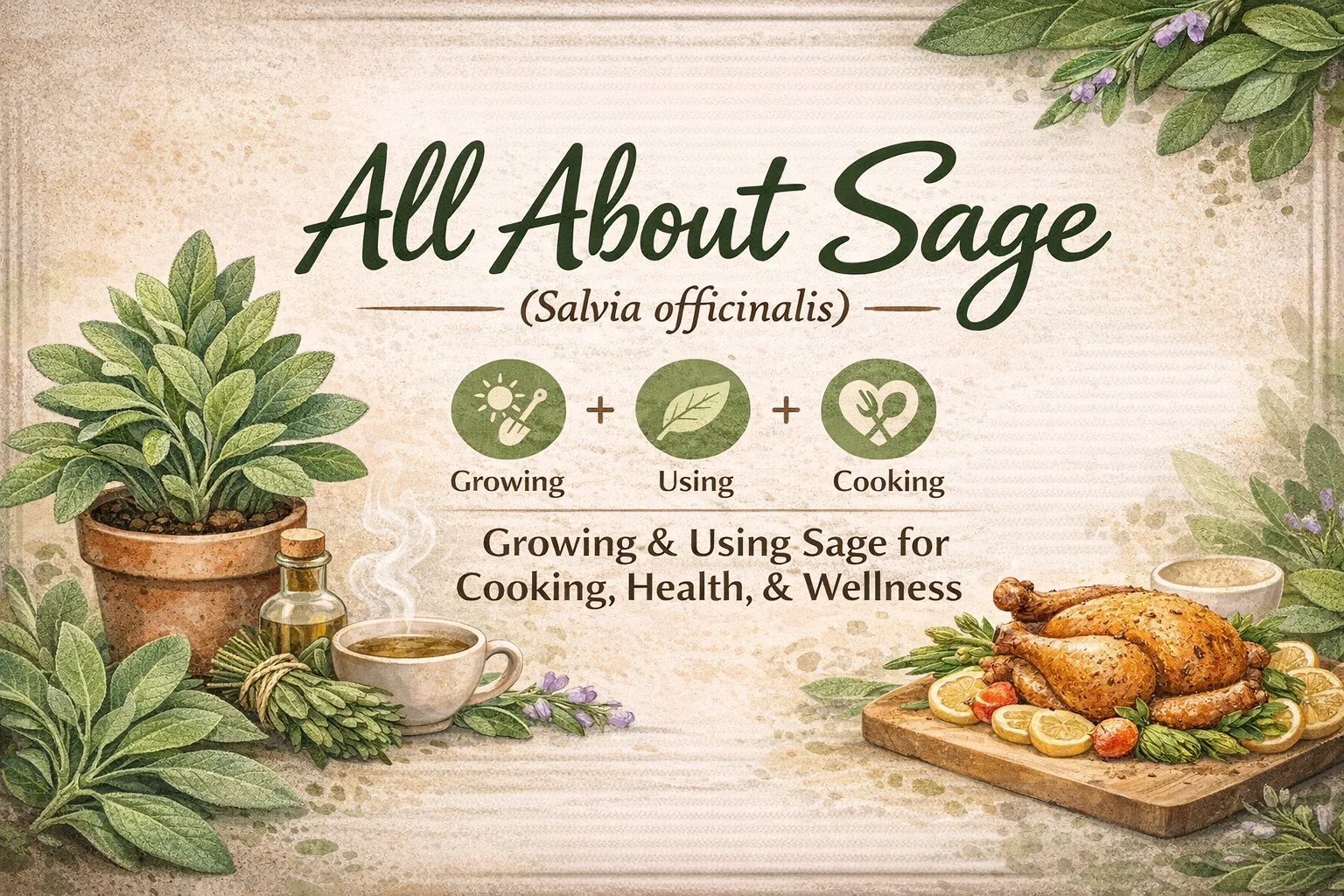
Welcome to the wonderful world of herbalism! If there is one plant that deserves a prominent and permanent spot in your garden, your kitchen, and your natural home apothecary, it is undeniably sage. Known botanically as Salvia officinalis, this humble green plant packs an incredible punch that has been celebrated for centuries. Whether you are a seasoned green thumb or a complete beginner looking to dip your toes into growing your own natural remedies, sage offers a highly rewarding and wonderfully fragrant experience. From its soft, velvety, silver-green leaves to its earthy and grounding aroma, this resilient herb perfectly bridges the gap between culinary delight and holistic daily wellness. Let us dive deep into everything you need to know about growing, harvesting, and utilizing this remarkable and versatile herb.
The Rich and Fascinating History of Sage
Long before it became a familiar staple in modern holiday cooking and savory autumn dishes, sage held a deeply revered place in ancient cultures around the globe. The history of this plant is rich with folklore, reverence, and ancient wisdom. The Ancient Romans thought so highly of it that they officially deemed it a “sacred herb.” They believed it possessed incredible properties that could enhance memory, stimulate the brain, and promote a long, healthy life. In fact, the very name Salvia originates from the Latin word “salvare,” which translates directly to “to save” or “to heal.” Gathering the herb was even considered a sacred ritual by the Romans, requiring special tools and ceremonial practices.
Moving forward into Medieval Europe, sage maintained its prestigious and almost magical reputation. It was heavily relied upon for both physical health remedies and spiritual protection. Herbalists and healers of the time would prescribe it for a wide variety of everyday ailments. Folklore of the era strongly suggested that planting a thriving sage bush in your own garden would bring household prosperity and actively ward off negative energy and illness. The wisdom and tradition surrounding this resilient plant have truly stood the test of time, passing through ages of human history straight into our modern home gardens and kitchens.
How to Grow Your Own Sage Plant
One of the absolute best things about Salvia officinalis is how forgiving, hardy, and easy it is to cultivate. You absolutely do not need a massive backyard or a professional greenhouse to enjoy a bountiful harvest year after year. Sage thrives equally well in expansive outdoor garden beds and compact terracotta pots on a sunny apartment balcony. Here are the essential, foolproof tips for helping your new herbal companion flourish.
Choosing the Perfect Sunny Location
Sage is a proud Mediterranean native, which means it absolutely loves and craves the sun. To encourage the best possible growth, the most vibrant foliage, and the highest concentration of aromatic essential oils in the leaves, you must plant it in a location that receives full sun. You should aim for a minimum of six to eight hours of direct, unfiltered sunlight each day. If you are growing it indoors as a culinary windowsill herb, a bright window facing south is your absolute best bet for success.
Soil Requirements and Careful Watering
When it comes to the soil environment, adequate drainage is the single most critical factor for a healthy plant. Sage actively despises sitting in soggy, waterlogged earth. You must provide a light, well-drained soil mixture. If your outdoor garden happens to have heavy, dense clay soil, you should strongly consider amending it generously with coarse sand or planting your sage in raised wooden beds to ensure all excess moisture can easily escape the root zone.
Because of its natural drought-tolerant origins in rocky Mediterranean climates, you must water this herb sparingly. It is much better and far safer to let the top inch or two of the soil dry out completely before giving the plant another drink. Overwatering is the fastest and most common way to invite devastating root rot and harm your precious herb. Treat it just a bit like you would a succulent, and it will continuously reward you with lush, intensely fragrant foliage throughout the growing season.
What Sage is Used For: Everyday Culinary Delights
Once you have a thriving bush producing beautiful leaves, you will naturally want to bring that fresh harvest straight into your kitchen. Sage is deeply flavorful, savory, and highly aromatic, making it a true superstar in hearty, home-cooked meals. Its robust, slightly peppery, and earthy flavor profile pairs beautifully with rich ingredients and comforting seasonal dishes.
It is perhaps most famously used to elevate and perfectly season poultry. Tucking a few whole, fresh leaves gently under the skin of a roasted whole chicken will infuse the meat with an incredible, mouth-watering flavor as it bakes. It also works absolute wonders when paired with roasted pork, sweet autumn butternut squashes, and luxurious browned butter sauces served poured over fresh artisan pasta. Because the flavor is quite strong and concentrated, a little bit truly goes a very long way. You can chop the fresh leaves very finely to mix directly into meat marinades, or you can use whole leaves to crisp up quickly in a hot pan with olive oil for a stunning, crunchy, and delicious culinary garnish.
Medicinal and Holistic Wellness Benefits
Far beyond the culinary realm, sage is highly valued by herbalists for its powerful digestive and soothing properties. After enjoying a heavy, rich meal, the natural botanical compounds found in the leaves can help gently calm the stomach and promote comfortable, easy digestion. Natural health advocates often turn to it to help ease common bloating and mild gastrointestinal discomfort naturally.
Additionally, the aromatic qualities of the living plant provide fantastic everyday wellness benefits. The scent alone is incredibly grounding, earthy, and clarifying for the mind. Incorporating the natural aroma of this herb into your daily routine can help clear mental fog, reduce everyday feelings of stress, and help you create a highly peaceful, spa-like atmosphere in your very own home.
Practical Ways to Use Fresh and Dried Sage
There is incredible versatility in exactly how you can prepare, utilize, and store your garden harvest. Whether you are using it fresh clipped straight from the garden stem or dried carefully for long-term pantry storage, there are numerous creative and practical ways to incorporate it into your daily life.
Brewing a Comforting Herbal Tea
One of the absolute simplest, oldest, and most soothing ways to enjoy the myriad benefits of this plant is by making a warm, restorative herbal tea. To do this, simply steep three to four fresh leaves, or one rounded teaspoon of crushed dried leaves, in a mug of boiling hot water for about five to ten full minutes. You can easily add a small touch of raw honey or a fresh squeeze of lemon juice to perfectly balance the strong earthy flavor. This warm herbal infusion is fantastic for naturally soothing a scratchy, sore throat or gently settling the stomach after a large dinner.
Crafting Nourishing Sage Infused Oil
If you want to beautifully capture the essence of the plant for later use, making a homemade infused oil is a brilliant and fun DIY project. By soaking completely dried crushed leaves in a high-quality carrier oil, like extra virgin olive oil or sweet almond oil, for several weeks in a sunny windowsill, you slowly extract the beneficial botanical properties. This richly scented infused oil can then be strained and used creatively for savory cooking, drizzled elegantly over fresh salads, or even applied topically as a massage oil to help soothe dry, irritated patches of skin.
Steam Inhalation for Respiratory Health
During the chilly, damp colder months, an herbal steam inhalation can be an absolute game changer for your respiratory wellness. Simply add a generous handful of fresh or dried leaves to a large, heat-proof glass bowl filled with steaming hot water. Carefully lean over the bowl, drape a large, heavy towel entirely over your head and shoulders to trap the rising steam, and take slow, deep breaths through your nose. The natural aromatic volatile oils released in the warm steam can help gently clear nasal congestion and beautifully soothe the entire respiratory tract.
Creating Beautiful Dried Bundles
Finally, you can very easily preserve your abundant summer harvest by creating beautiful, rustic dried bundles. Simply gather a cluster of freshly cut stems, tie them tightly together at the base with natural cotton twine, and hang them upside down in a cool, dark, and well-ventilated space in your home. Once they are completely dry and brittle to the touch, these charming bundles can be used for farmhouse-style decorative purposes, the leaves can be crumbled and stored in airtight glass jars for future culinary use, or the bundles can be used whole in traditional smoke cleansing practices to refresh and clear the stagnant energy in any room.
Bringing Ancient Herbal Wisdom into Your Modern Home
Incorporating Salvia officinalis into your everyday life is a truly wonderful and rewarding way to connect with ancient traditions, history, and natural holistic wellness. From its incredibly rich history as a sacred, revered herb to its countless modern applications in our bustling kitchens and quiet home apothecaries, sage consistently proves itself to be an invaluable plant to keep nearby. By simply providing it with plenty of bright sunshine and well-drained soil, you can easily and successfully cultivate your very own abundant supply of this powerful natural remedy. Whether you are quietly sipping a warm cup of herbal tea on a chilly evening, roasting a savory chicken for a family gathering, or simply running your hands through the plant to enjoy the grounding aroma of the fresh leaves, the everyday benefits are truly boundless. Start planning your new herb garden today, source some high-quality seeds or a starter plant, and prepare to experience the everyday magic of growing your own natural remedies!