Ultimate Hair Type Guide 1A-4C Curl Patterns, Textures Best Care Tips Explained
Understanding your hair type is the ultimate game changer for anyone looking to achieve healthy, vibrant, and manageable locks. For years, many of us have struggled with products that promised miracles but delivered nothing but frizz or heavy, greasy strands. The secret to unlocking your hair’s true potential isn’t found in a magic bottle, but in understanding the science of your specific curl pattern. This comprehensive guide breaks down the 1A to 4C hair chart to help you identify your unique texture and build a routine that actually works.
The Science Behind the 1A to 4C Hair Chart
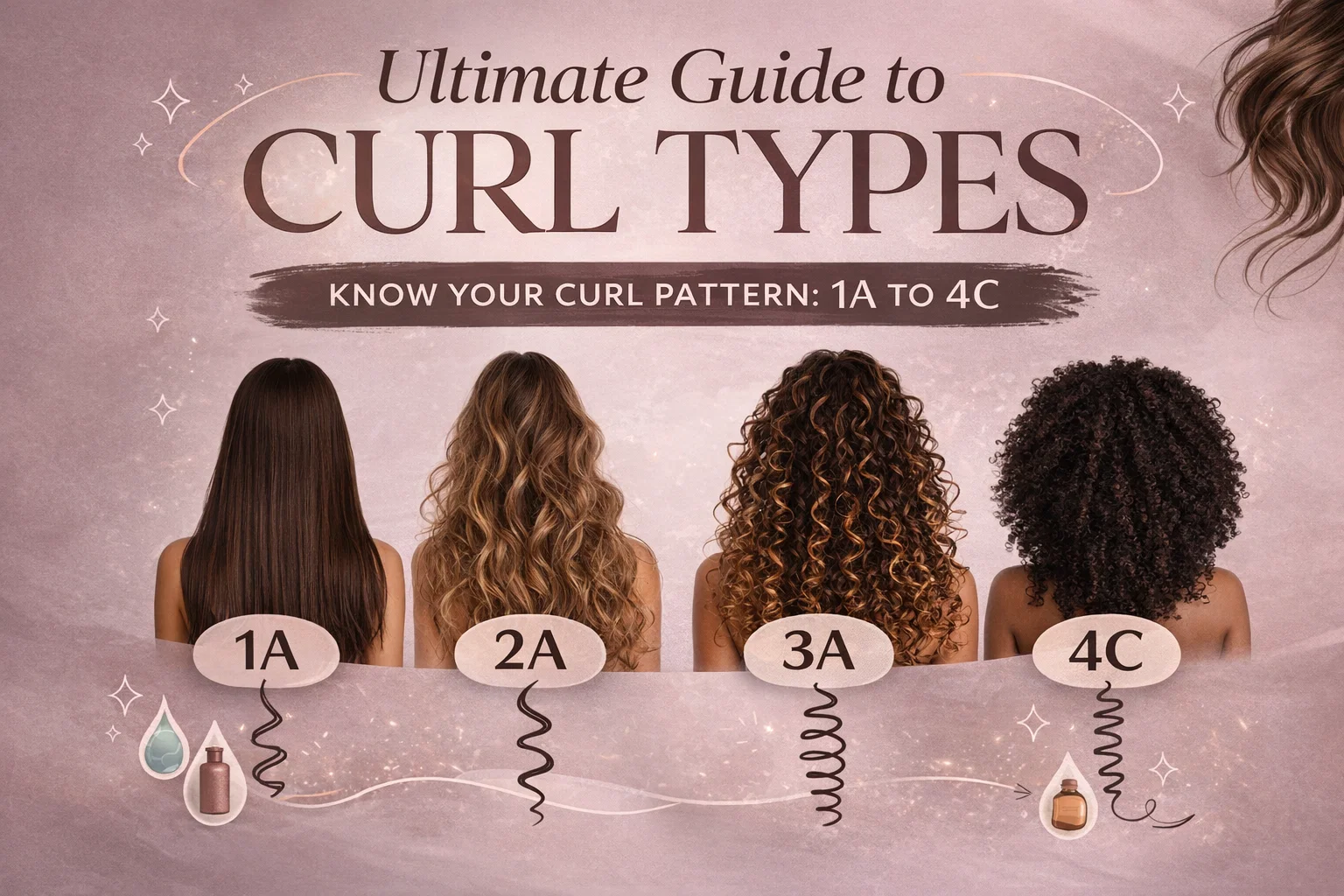
The hair typing system, originally popularized by stylist Andre Walker and later expanded by the natural hair community, categorizes hair based on the shape of the fiber and the pattern it creates. These categories range from Type 1, which is bone straight, to Type 4, which consists of tight coils and kinks. Understanding where you fall on this spectrum is about more than just aesthetics. It dictates how your hair absorbs moisture, how easily it breaks, and which ingredients will help it shine.
Hair texture is determined by the shape of your follicle. A perfectly round follicle produces straight hair, while an oval or flat follicle creates waves, curls, and coils. The flatter the follicle, the curlier the hair becomes. By identifying your specific type, you can stop fighting against your natural texture and start working with it to achieve the best results possible.
Type 1: The World of Straight Hair
Type 1 hair is characterized by a lack of a discernible curl pattern. It is typically the most oily of all hair types because the natural oils from the scalp can easily travel down the straight hair shaft. While it might seem low maintenance, Type 1 hair comes with its own set of challenges, particularly regarding volume and product buildup.
Type 1A: This is pin-straight hair that has zero wave or curl. It is usually very fine and can be difficult to hold a curl with heat tools. Because it is so sleek, it reflects light beautifully and has a natural shine.
Type 1B: This type is still straight but has a bit more body and thickness than 1A. It might have a very slight bend at the ends, making it easier to style and add volume.
Type 1C: Type 1C hair is straight but thick and coarse. It often has a slight wave hidden within the layers that becomes more apparent when the hair is air dried. It is the most prone to frizz within the Type 1 category.
Type 2: Embracing the Wavy Texture
Type 2 hair sits comfortably between straight and curly. It is defined by an S-shaped pattern that usually starts a few inches away from the scalp. Wavy hair is incredibly versatile, but it is also the most susceptible to being weighed down by heavy products or becoming a frizzy mess in high humidity.
2A: The Gentle Loose Wave
Type 2A hair has a fine, thin texture with a very loose, tousled look. It is easy to straighten but can also be enhanced into beachy waves with the right sea salt spray or lightweight mousse. The goal for 2A hair is to add volume without sacrificing the natural movement of the waves.
2B: Defined and Consistent Waves
Type 2B hair features a more prominent S-shape. The waves are more defined than 2A and usually start closer to the mid-length of the hair. This type is more prone to frizz, especially at the crown. To keep these waves looking their best, a light leave-in conditioner or a frizz-control serum is essential.
2C: Thick Waves with High Volume
Type 2C waves are thick, coarse, and very close to being actual curls. The wave pattern starts right at the root and is very distinct. This hair type is often misunderstood and treated as straight hair, leading to massive frizz. 2C hair needs plenty of hydration to keep the waves from grouping together into a tangled mess.
Type 3: The Beauty of True Curls
When people think of curly hair, they are usually picturing Type 3. This hair type features clear, springy curls that form ringlets or spirals. Unlike waves, Type 3 curls are well-defined even when the hair is wet. However, because the hair is curled, it is harder for scalp oils to reach the ends, making this type naturally drier than Type 1 or 2.
3A: Large, Looping Curls
Type 3A curls are about the width of a piece of sidewalk chalk. They are large, loose, and have a beautiful shine. These curls can easily lose their definition if they are touched too much while drying. Using a lightweight curl cream can help hold the shape without making the hair feel crunchy.
3B: Bouncy and Springy Spirals
Type 3B hair consists of tighter curls with a circumference similar to a Sharpie marker. These curls have a lot of volume and a springy quality. Moisture is the number one priority for 3B hair. Without enough hydration, these curls can become dull and lose their bounce. Layering a liquid leave-in with a medium-hold gel is a great way to lock in definition.
3C: Tight Curls and Corkscrews
Type 3C hair is often called curly-coily. The curls are very tight, about the width of a pencil or a straw, and are densely packed together. This type experiences significant shrinkage, meaning the hair looks much shorter than it actually is. 3C hair loves creamy moisturizers and styling milks that provide heavy-duty hydration and help stretch the curls slightly.
Type 4: The Magic of Coily and Kinky Hair
Type 4 hair is the most delicate and fragile of all hair types. It consists of very tight coils or Z-shaped patterns. Because the hair has so many bends and turns, it is extremely difficult for natural oils to travel down the strand, leaving the hair prone to dryness and breakage. However, Type 4 hair is also the most versatile, capable of holding incredible shapes and styles.
4A: Soft and Defined Coils
Type 4A hair features small, tight coils that have a visible S-pattern when stretched. The coils are roughly the size of a crochet needle. This hair type retains moisture better than other Type 4 categories but still requires a consistent routine of cream-based moisturizers and natural oils like jojoba or almond oil.
4B: The Zig-Zag Pattern
Type 4B hair is unique because it doesn’t always form a coil. Instead, it follows a sharp Z-shaped pattern with jagged edges. It is very soft to the touch but has a high level of shrinkage. To manage 4B hair, many people use techniques like twisting or braiding to help define the pattern and prevent tangling.
4C: Tight Z Coils and High Density
Type 4C hair is similar to 4B but the coils are much tighter and less defined to the naked eye. This hair type can shrink up to 75 percent or more of its actual length. It is the most prone to dryness and requires deep conditioning treatments at least once a week. Heavy butters like shea butter and thick oils like castor oil are the best friends of 4C hair.
Essential Care Tips for Every Hair Type
Once you have identified your hair type from the chart, the next step is building a care routine that caters to its specific needs. While every head of hair is different, there are some universal rules that can help you maintain health and shine regardless of your pattern.
- For Type 1: Focus on clarifying shampoos to remove buildup and use lightweight conditioners only on the ends. Avoid heavy oils that will make the hair look flat.
- For Type 2: Use the plopping method with a microfiber towel to enhance wave definition. Stick to lightweight mousses and avoid heavy creams that can pull the waves down.
- For Type 3: Apply products to soaking wet hair to lock in moisture. Use a diffuser on a low heat setting to dry your curls without creating frizz.
- For Type 4: Master the LOC method (Liquid, Oil, Cream) to ensure your hair stays hydrated for days. Always detangle with plenty of slip using a wide-tooth comb or your fingers.
The Importance of Deep Conditioning
Regardless of whether you have 2A waves or 4C coils, deep conditioning is a vital step. For straighter types, a light protein treatment once a month can add strength. For curly and coily types, a moisture-rich deep conditioner used weekly is non-negotiable. This process helps to repair the hair cuticle, improve elasticity, and prevent the dreaded breakage that stops hair growth in its tracks.
Choosing the Right Tools
The tools you use can be just as important as the products. If you have Type 3 or 4 hair, toss out the fine-tooth combs and traditional hairbrushes. These can snap the hair fibers and ruin your curl pattern. Instead, opt for wide-tooth combs, specialized detangling brushes, and always sleep on a silk or satin pillowcase. Silk reduces friction, which means you wake up with fewer tangles and less frizz.
Finding Your Perfect Routine
Identifying your hair type on the 1A to 4C chart is the first step toward a lifetime of great hair days. It allows you to filter through the noise of the beauty industry and focus on what your strands actually need. Remember that it is very common to have multiple hair types on one head. You might have 3B curls in the back and 3C at the crown. The key is to listen to your hair and adjust your products accordingly.
Embracing your natural texture is a journey of patience and experimentation. Don’t be afraid to try new techniques like finger coiling, wash-and-gos, or protective styling. With the right knowledge and a little bit of love, your hair can become your favorite accessory and a true reflection of your unique beauty. Take the time to study your pattern, invest in quality ingredients, and watch as your hair transforms into its healthiest version yet.