Essential Vitamins and Minerals Food Sources Guide for Health and Wellness
In a world where we are constantly told that health comes in a bottle, it is easy to forget that the most potent laboratory for wellness is actually our kitchen. We have become accustomed to the convenience of a morning handful of pills, hoping they will bridge the gap created by a fast-paced lifestyle and processed meals. However, there is a profound difference between isolated synthetic compounds and the complex, synergistic power of whole foods. The human body has evolved over millennia to recognize, break down, and absorb nutrients from plants and animals, not from compressed powders and chemical coatings. By shifting our focus back to the plate, we can unlock a level of vitality that supplements simply cannot replicate.
The Power of Whole Food Nutrition
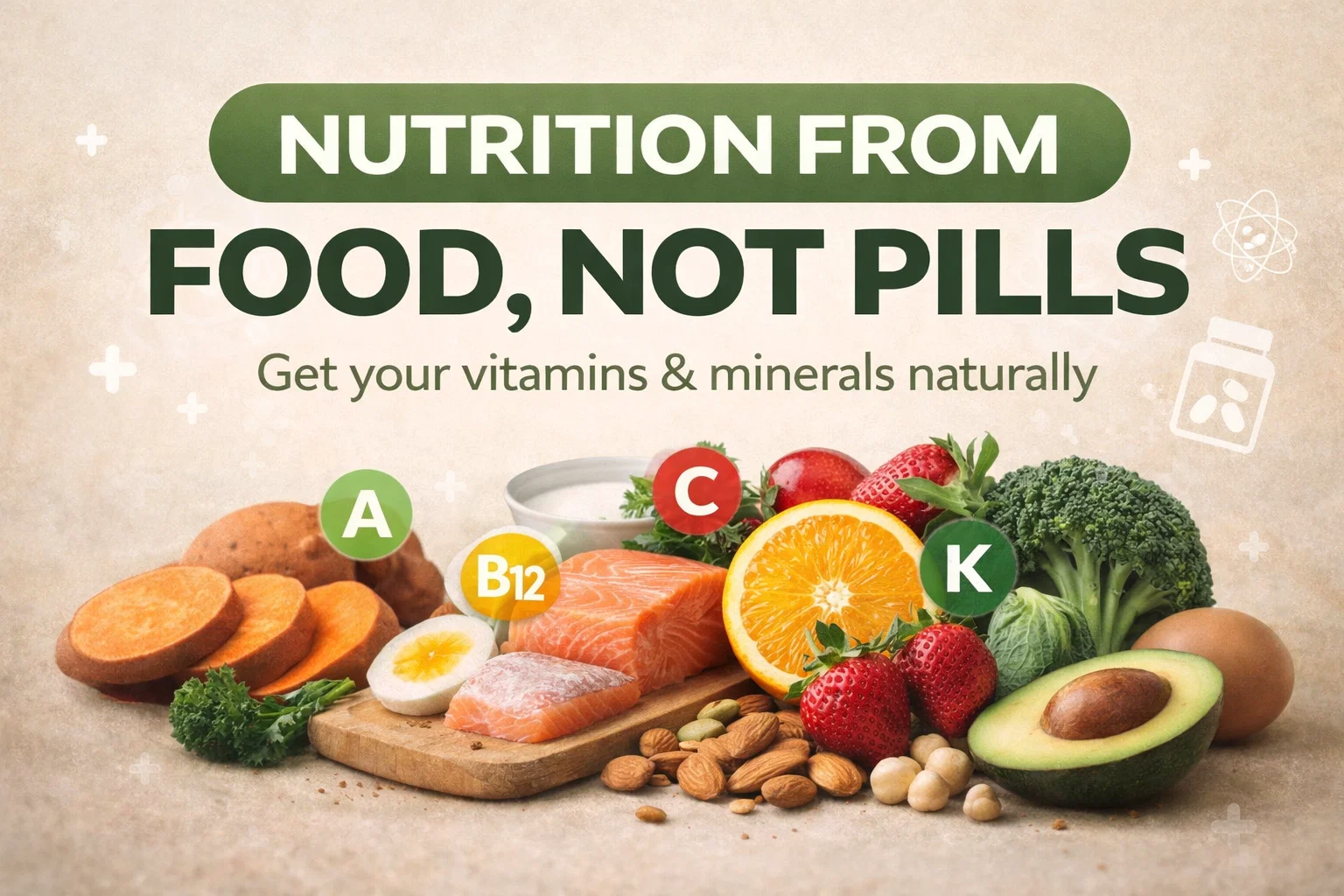
When you consume a sweet potato instead of a Vitamin A capsule, you are getting far more than just a single nutrient. You are consuming a package deal that includes fiber, natural sugars for energy, and a host of secondary phytonutrients that scientists are still studying today. This is the concept of food synergy. Nutrients in whole foods work together to enhance absorption. For instance, the healthy fats found in salmon or eggs are essential for the body to actually utilize fat-soluble vitamins like A, D, E, and K. Without the food matrix, many expensive supplements simply pass through the system without providing the intended benefit.
Choosing real food is also about the experience of nourishment. There is a psychological and physiological benefit to chewing, tasting, and enjoying a meal. This process triggers digestive enzymes and satiety hormones that a pill never could. By prioritizing a diet rich in colorful vegetables, healthy fats, and quality proteins, you are not just ticking off a nutritional checklist; you are giving your body the information it needs to thrive, heal, and maintain balance.
Essential Fat-Soluble Vitamins: A, D, E, and K
The fat-soluble vitamins are critical for everything from vision and bone health to immune function and blood clotting. Because they require fat for absorption, nature conveniently packages them in foods that often contain their own healthy fats or are easily paired with them.
Vitamin A for Vision and Immunity
Often associated with eye health, Vitamin A is also a cornerstone of a robust immune system. While supplements often provide it in the form of retinol, getting it from colorful plants like sweet potatoes, carrots, and apricots provides beta-carotene. The body converts this into Vitamin A as needed, reducing the risk of toxicity that can occur with high-dose synthetic versions. These vibrant foods are also packed with antioxidants that protect your cells from oxidative stress.
Vitamin D: The Sunshine Nutrient
While sunlight is the primary source of Vitamin D, many people find themselves deficient, especially during winter months. Instead of relying solely on a dropper, look to dietary sources like egg yolks and mushrooms. Some foods, such as certain cereals, are fortified to help meet these needs. Vitamin D is essential for calcium absorption, making it a key player in maintaining strong bones and preventing mood fluctuations.
Vitamin E: Your Body’s Natural Shield
Vitamin E acts as a powerful antioxidant, protecting cell membranes from damage. You can find an abundance of this nutrient in nuts and seeds. Almonds, sunflower seeds, and hazelnuts are nature’s perfect snack packs, offering Vitamin E alongside healthy fats and fiber. This combination ensures that the vitamin is delivered effectively to the cells that need it most, supporting skin health and cardiovascular function.
Vitamin K: The Bone and Blood Specialist
Leafy greens are the undisputed kings of Vitamin K. Kale, broccoli, and spinach are loaded with this nutrient, which is vital for proper blood clotting and bone mineralization. Incorporating a variety of greens into your daily meals ensures that your skeletal system remains strong and your body can repair itself efficiently after injury.
The Vital Role of B-Vitamins and Vitamin C
Unlike fat-soluble vitamins, water-soluble vitamins like B12 and C are not stored in the body for long periods. This means we need a steady supply from our diet every single day to keep our energy levels high and our tissues healthy.
Vitamin B12: The Energy Catalyst
Vitamin B12 is essential for nerve function and the production of DNA and red blood cells. Since it is primarily found in animal products, it is important to include eggs, yogurt, and fish in your rotation. Fish, in particular, offers the added benefit of Omega-3 fatty acids, creating a powerhouse meal for brain health. If you feel a slump in your cognitive clarity or physical energy, a B12 deficiency might be the culprit, and real food is the most bioavailable way to correct it.
Vitamin C: Much More Than an Immune Booster
While we often reach for Vitamin C when we feel a cold coming on, its role in collagen production and tissue repair is equally important. Oranges, strawberries, and bell peppers are fantastic sources. Interestingly, bell peppers actually contain more Vitamin C per serving than many citrus fruits. By eating these foods raw or lightly steamed, you preserve the heat-sensitive Vitamin C, ensuring your skin stays glowing and your immune system stays sharp.
Building a Strong Foundation with Essential Minerals
Minerals are the unsung heroes of our physiology. They act as spark plugs for thousands of biochemical reactions, from keeping our heart beating to ensuring our muscles can relax after a workout.
Calcium and Magnesium: The Dynamic Duo
We often hear about calcium for bones, but it cannot do its job without magnesium. Calcium sources like almonds, sesame seeds, and kale provide the structural integrity our body needs. Meanwhile, magnesium found in bananas, spinach, and even dark chocolate helps regulate muscle and nerve function. If you struggle with muscle cramps or poor sleep, reaching for a square of dark chocolate or a handful of pumpkin seeds might be more effective than a mineral supplement.
Iron: Oxygenating Your Life
Iron is the core component of hemoglobin, the protein in red blood cells that carries oxygen throughout the body. While red meat is a well-known source, plant-based options like spinach, lentils, and quinoa are incredibly effective, especially when paired with a Vitamin C source to enhance absorption. Maintaining steady iron levels is the secret to fighting fatigue and keeping your metabolism humming.
Zinc and Potassium: Maintenance and Balance
Zinc is a trace mineral with a massive impact on wound healing and immune defense. Pumpkin seeds, chickpeas, and cashews are easy additions to salads or snacks that provide a steady dose of zinc. On the other hand, potassium is a macro-mineral essential for fluid balance and heart health. While bananas are the famous choice, potatoes and avocados are actually even denser sources of this vital electrolyte.
The Magic of Omega-3 Fatty Acids
Healthy fats are often misunderstood, but Omega-3s are non-negotiable for a healthy body. These essential fats reduce inflammation, support heart health, and are a primary building block of the brain. While fish is a great source, plant-based powerhouses like walnuts, flaxseeds, and chia seeds offer a versatile way to get these nutrients. Adding a spoonful of chia seeds to your morning yogurt or snacking on a few walnuts can significantly impact your mood and joint health over time. Unlike fish oil capsules, which can sometimes go rancid, getting your Omega-3s from whole seeds and nuts ensures freshness and provides additional fiber and minerals.
How to Transition from Pills to Plates
Switching from a supplement-heavy routine to a food-first approach doesn’t have to be overwhelming. It starts with a simple change in mindset: seeing every meal as an opportunity to medicate your body with nutrients. Start by focusing on variety. A “monotonous” diet, even if it includes healthy items, can lead to nutritional gaps. Try to “eat the rainbow” by including at least three different colors of vegetables in your daily routine.
Another key strategy is mindful preparation. Some nutrients are better absorbed when cooked, like the lycopene in tomatoes or the beta-carotene in carrots, while others are best consumed raw, like the Vitamin C in bell peppers. Experimenting with different cooking methods like roasting, steaming, and sautéing can help you maximize the nutritional profile of your meals. Most importantly, listen to your body. Often, a craving for a specific food is actually a signal that your body is searching for a particular mineral or vitamin.
Conclusion: Nature Knows Best
The journey toward optimal health is paved with the choices we make at the grocery store and in our kitchens. While supplements can have a place in specific clinical situations under medical supervision, they should never be the primary source of our vitality. The complexity of real food offers a harmony of nutrients that a laboratory simply cannot duplicate. By embracing a diet filled with sweet potatoes, leafy greens, nuts, seeds, and quality proteins, you are honoring your body’s biological design.
Investing in high-quality, whole foods is the ultimate form of self-care. It is a commitment to long-term wellness that pays dividends in the form of steady energy, a sharp mind, and a resilient immune system. So, the next time you think about buying a new bottle of vitamins, take a trip to the farmers’ market instead. Your body will thank you for the real, delicious, and life-giving nourishment that only nature can provide.