DIY Clove Herbal Toothpaste Recipe for Natural Whitening Healthy Gums
Have you ever taken a close look at the ingredients list on your favorite tube of toothpaste? It can be an eye-opening and sometimes concerning exercise. From artificial flavors and colors to controversial chemicals and preservatives, conventional oral care products are often packed with additives that many of us are increasingly trying to avoid. But what if you could ditch the chemical cocktail and craft your own effective, refreshing, and entirely natural toothpaste right at home? It’s not only possible, it’s simpler than you might think, and it puts you back in control of your dental health.
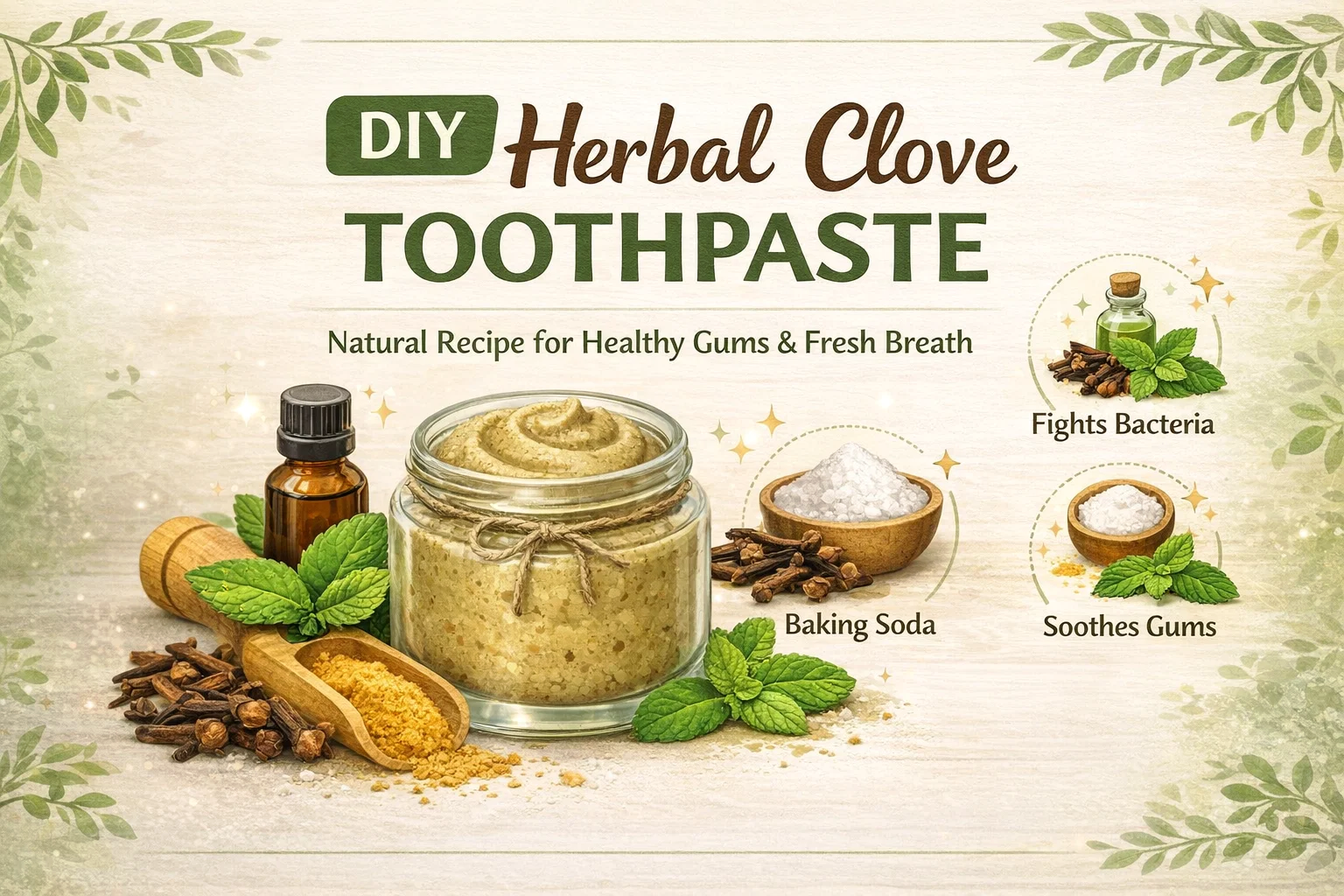
The beautiful, hand-drawn infographic featured in this article serves as the perfect inspiration and guide. It outlines a comprehensive and compelling recipe for a DIY Clove Herbal Toothpaste, complete with its benefits, safety tips, and shelf life, all presented with a charming, nature-inspired aesthetic. This recipe isn’t about compromising on clean; it’s about harnessing the potent power of herbs, minerals, and essential oils to create a product that effectively cleans, whitens, and supports a healthier mouth, the natural way.
The Powerhouse Ingredient: Unveiling the Magic of Clove
When you look at this recipe, the star ingredient is right there in the name: Clove. The infographics prominent image of whole cloves and a droplet of its essential oil immediately points to its importance. And for good reason. Clove is more than just a warm, autumnal spice; it is a legendary botanical ally with a long history of use in oral care, dating back centuries across various cultures.
Understanding Cloves Unmatched Antimicrobial Prowess
The secret to cloves effectiveness lies in its chemical composition, particularly a compound called eugenol. Eugenol is a incredibly potent antiseptic and analgesic (pain-relieving) agent. This makes it an ideal natural solution for tackling the root cause of many dental issues: harmful bacteria. The infographic correctly highlights that Clove Oil Fights Bacteria. This is a crucial point, as the bad bacteria lurking in plaque are responsible for everything from cavities and gum disease to persistent bad breath. By incorporating clove oil into your homemade toothpaste, you are actively introducing an ingredient that works to inhibit the growth of these troublesome microbes, promoting a healthier, more balanced oral environment.
Beyond its powerful antibacterial properties, clove oil has traditionally been a go-to remedy for relieving toothaches and gum irritation, thanks to its numbing effect. This analgesic quality can be especially soothing for those with sensitive gums. Imagine, a toothpaste that not only cleans but also provides a gentle, natural form of comforting relief! Its clear that starting with a base of clove oil gives this herbal toothpaste a significant advantage in maintaining overall oral health.
Deconstructing the Recipe: Meet the Supporting Natural Elements
While clove might be the headliner, it’s the carefully chosen ensemble cast of supporting ingredients that truly brings this herbal toothpaste to life and ensures a powerful and effective clean. Each component, as visually represented in the infographic, plays a vital role, working together in synergy to create a complete and beneficial formula. Let’s delve deeper into what each ingredient brings to the table, beyond the simple description.
- Calcium Carbonate: Visually depicted as a fine powder, calcium carbonate is the primary abrasive in this recipe. Far from being harsh, its a gentle, natural abrasive that helps to physically scrub away food particles and surface plaque without damaging the delicate tooth enamel. Its inclusion is essential for that clean, polished feeling you expect from a great toothpaste. Furthermore, as a calcium compound, it can contribute important minerals to support the process of remineralization, strengthening tooth structure.
- Baking Soda (Sodium Bicarbonate): Another essential powder identified in the graphic, baking soda is a multi-talented ingredient. The benefit is clear: Removes Stains. It does this through very mild abrasion, but its primary benefit in whitening comes from its chemical nature. Baking soda helps to neutralize the acids in your mouth produced by bacteria, creating an alkaline environment that is less hospitable to cavity-causing microbes. This balancing of pH also helps to break down existing surface stains from things like coffee, tea, and food, gently revealing a brighter, more brilliant smile over time.
- Coconut Oil: Featured as a solid-to-creamy fat, coconut oil serves multiple purposes. The main benefit listed is Healthy Gums. It achieves this primarily through its antimicrobial and anti-inflammatory properties. The dominant fatty acid in coconut oil, lauric acid, is particularly effective at inhibiting the growth of certain oral bacteria that contribute to gum disease. When used in toothpaste, coconut oil helps soothe inflamed gums and creates a protective barrier, all while providing a pleasant, smooth texture and preventing the formula from becoming overly dry or harsh. Its a key ingredient for gentle but effective cleaning.
- Vegetable Glycerin (optional): Listed as optional, glycerin is a clear, odorless liquid derived from vegetable fats. Its main role in this recipe would be as a humectant. That is, it helps the toothpaste retain its moisture, giving it a smoother, more paste-like consistency. It can prevent the dry powders from clumping together and makes the final product easier to use. However, its exclusion is perfectly fine, and some people prefer to avoid glycerin in their toothpaste. Leaving it optional empowers you to make that choice for yourself.
- Clove Essential Oil: Already discussed in depth, this is the powerhouse anti-bacterial agent and is, of course, absolutely central to the recipes purpose and flavour profile.
- Peppermint Essential Oil: Another classic toothpaste flavor, but for a good reason. The infographic highlights its benefit as Fresh Breath. Menthol, the primary compound in peppermint oil, provides that invigorating, cooling sensation that leaves your mouth feeling wonderfully clean and refreshed. But it’s not just about the feeling; peppermint oil itself possesses antibacterial and antimicrobial properties, adding another layer of effectiveness against bad-breath-causing bacteria. Its inclusion ensures that this herbal alternative provides the signature freshness we all look for.
- Turmeric Powder (optional): Including turmeric powder as optional is a fantastic and modern touch. While its vibrant, staining color might seem counterintuitive for a toothpaste, turmeric is renowned for its potent anti-inflammatory and antimicrobial qualities. Studies suggest curcumin, the active compound in turmeric, can be effective in reducing plaque and gum inflammation, potentially helping to manage conditions like gingivitis. For those looking for extra gum-support benefits, adding a pinch of this golden spice is an exciting possibility, and listing it as optional lets users experiment and find what works for them.
- Distilled Water: This is a crucial element that simply acts as a binder and thinning agent. It allows you to adjust the consistency, as step 4 in the instructions suggests: Add water to desired consistency. Using distilled or purified water is essential to avoid introducing any impurities, chlorine, or hard minerals that could affect the recipes performance and shelf life. It ensures the final paste is smooth and usable.
Step-by-Step Guidance: Crafting Your Natural Smile Solution
One of the most appealing aspects of this infographic is its clarity. The entire making process is broken down into five simple, easy-to-follow steps, making the process of crafting your own clove herbal toothpaste accessible even to absolute beginners. Let’s walk through those instructions to see just how truly easy it is to become your own oral care maker!
The Five Easy Steps to a Natural Clean
- Mix powders in a bowl. The journey begins by combining your dry, abrasive ingredients. Start with your calcium carbonate and baking soda. If youve chosen to include turmeric powder for its additional gum-support properties, now is the perfect time to add it. Blend them together thoroughly until you have a uniform, fine powder, ensuring there are no lumps and that everything is evenly distributed. This dry mix provides the core cleaning power and sets the foundation for a consistent paste.
- Add oils & mix to paste. Now, introduce your base oil. In this recipe, that is the coconut oil. It may be helpful to gently melt the coconut oil if its in a solid state, allowing for a more thorough incorporation. Start adding the oil to your powder mixture slowly, mixing with a spoon or small spatula as you go. Your goal here is to create a thick, crumbly, or somewhat dry paste. Continue mixing until all the powder is incorporated and you have a cohesive, albeit dense, mixture.
- Add essential oils. This is where you infuse your toothpaste with its signature powerful benefits and refreshing flavor. With your thick paste from step 2 ready, its time to carefully count out your droplets of potent clove essential oil and invigorating peppermint essential oil. Distribute them evenly throughout the mixture and then mix with enthusiasm, ensuring every part of the paste is touched by the oil. The wonderful, clean aroma that fills the air is a good indicator you’re on the right track! This step transforms a basic mixture into a truly aromatic and beneficial formula.
- Add water to desired consistency. Your paste is now a rich, potentially quite thick substance. This is where the distilled water comes in. As the instruction wisely advises, you add the water carefully and gradually, mixing consistently as you go. Continue adding water, perhaps a teaspoon at a time, until you reach your preferred toothpaste texture. Some people love a very thick paste, while others prefer something a little more fluid, closer to a conventional tube product. The choice is yours, and this flexibility is another great benefit of making it yourself. Stop adding water once you are happy with the texture.
- Store in glass jar. The final step is crucial for preservation and ease of use. Transfer your completed, smooth clove herbal toothpaste into a clean, dry, and airtight glass jar. The beautiful glass jar with its metal lid depicted in the infographic is an excellent example. Using a glass container is preferable, as it ensures there are no chemical interactions between the essential oils and plastic, and it makes it easy to keep the toothpaste fresh and free from contaminants. Storing it with a tight-fitting lid is essential.
The entire process is exceptionally straightforward and can likely be completed in under fifteen minutes. It requires no special equipment beyond a bowl and spoon, making it a fantastic and accessible entry point for anyone wanting to explore the world of making their own natural body care products. Imagine the satisfaction of scooping a small amount of your own hand-crafted, beautifully scented, and highly effective toothpaste onto your brush each day!
More Than a Recipe: Safety, Storage, and Benefits
The infographic goes beyond being a simple recipe card, which is what makes it such a comprehensive guide. It importantly includes sections on Safety Tips and Shelf Life, showing a thoughtful and responsible approach to natural care. These details are critical for ensuring you have a positive and safe experience. Lets break down this crucial information.
The Safety Tips section provides essential guidelines for responsible use:
- 1-2 times daily: This acts as a responsible frequency guide. Conventional wisdom often says to brush twice a day. This tip provides a clear recommendation for integrating this natural alternative into your routine and ensures you are using it appropriately. While natural and gentle, even natural ingredients can be overused, and this frequency helps ensure you’re getting the cleaning you need without overdoing it.
- Not for kids under 6: This is a very important point. The potent antimicrobial nature of clove oil and the potentially high abrasive content (even if gentle) might be too harsh for young, developing mouths and sensitive teeth. This specific warning helps to protect young children. For kids over six, use your judgement or consult a professional, and for younger ones, look for natural alternatives specifically designed for their needs.
- Do not swallow: Even though the ingredients are natural, toothpaste, in general, is meant to clean your mouth, not be ingested in quantity. Clove oil, in particular, should not be consumed in large amounts. This clear warning ensures proper and safe use of the product, preventing accidental ingestion.
- Patch test for sensitivity: This is excellent advice for any new personal care product, especially one with potent essential oils. Apply a small amount of the toothpaste to a small patch of skin (like your inner wrist) to see if any adverse reaction occurs. While rare, its always best to confirm your skin tolerates the formula. If you experience irritation, discontinue use.
The Shelf Life section addresses the practical realities of making your own products without preservatives:
- Lasts 3-4 Weeks: This is a realistic and important guideline. Because this toothpaste contains a water component and no added preservatives, it will have a shorter lifespan than commercial alternatives. A few weeks is a generous amount of time, making it practical to make in small batches that you can use up. If it smells off, changes color drastically, or seems to separate, its time to make a fresh batch.
- Keep in a Cool, Dry Place: Storing the paste correctly is essential for maintaining its freshness and prevent spoilage. Avoiding direct sunlight and high temperatures is key for keeping your ingredients stable and preventing the growth of unwanted bacteria. A bathroom cabinet or a drawer is a perfect location.
The entire infographic beautifully reinforces the core benefits and philosophy: Smile naturally with our herbal clove toothpaste Fresh breath, healthy gums, and brighter smiles – the Lilyflower way. The benefits aren’t just empty claims; they are tied directly to the thoughtfully chosen ingredients and are presented alongside responsible safety information. This makes the recipe feel both inspiring and reliable, empowering you to embrace a more natural and holistic oral care routine with confidence.
Conclusion: The Path to a Natural Smile
Choosing to make your own toothpaste isn’t just a simple DIY project; it’s a small but significant act of self-empowerment and environmental consciousness. The delightful clove herbal toothpaste infographic provides not just a recipe, but a comprehensive and beautifully designed roadmap for taking that step. By clearly identifying the potent ingredients, explaining their specific benefits, offering straightforward step-by-step instructions, and including critical safety and shelf-life guidance, this visual guide removes the guesswork and makes natural dental care accessible to everyone.
Think about the freedom of opening that glass jar each day and knowing that your smile is being cared for by a simple, effective blend of nature’s best. You’ve swapped complex, often unpronounceable chemical names for the timeless benefits of clove, baking soda, and peppermint. You’ve taken control of what goes on and in your body, all while supporting your health in a way that feels intentional and aligned with your values. A brighter, healthier smile, achieved the natural way? Thats more than just a successful recipe; that’s a philosophy, a choice, and a beautifully holistic way to greet the day. Are you ready to embrace the clove? Your smile will thank you.