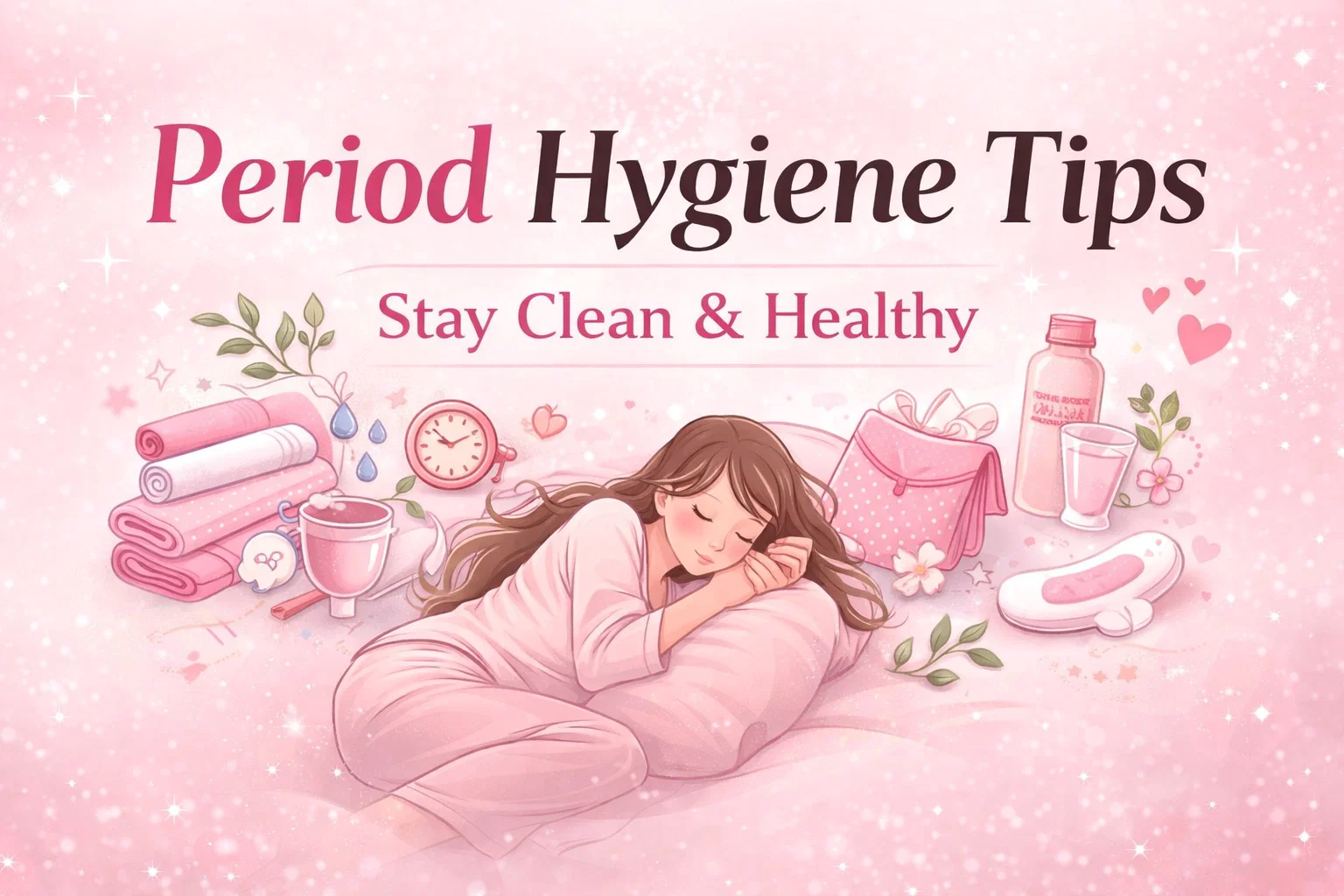
Period Hygiene Tips How to Stay Clean, Healthy Safe During Your Cycle
Navigating your monthly cycle can sometimes feel like a balancing act between managing physical discomfort and maintaining your daily productivity. However, your period does not have to be a time of stress or compromise. By adopting a dedicated period hygiene routine, you can transform these days into a period of intentional self care and wellness. From the products you choose to the food you eat, every small habit contributes to how you feel. This comprehensive guide will walk you through the essential steps to staying clean, safe, and healthy throughout your menstrual cycle.
The Foundation of Period Hygiene: Changing Products Regularly
One of the most critical aspects of menstrual health is the frequency with which you change your period products. Leaving a product in for too long is not just a matter of discomfort; it can actually lead to bacterial growth or more serious conditions like Toxic Shock Syndrome. To keep your body safe, it is vital to follow recommended timelines based on the specific product you use.
Recommended Timeframes for Pads and Tampons
For those who prefer traditional pads, changing them every 4 to 6 hours is the gold standard. Even on lighter days, moisture and heat can create an environment where bacteria thrive, so regular changes are a must. If you use tampons, the window is slightly longer, typically 4 to 8 hours, but you should never exceed the 8 hour mark. Always choose the lowest absorbency needed for your flow to maintain the natural balance of your body.
Managing Menstrual Cups and Discs
Menstrual cups have become incredibly popular due to their eco-friendly nature and long wear time. These can typically stay in for 8 to 12 hours, making them ideal for long workdays or travel. However, the key to safety here is sterilization. Ensure you wash your hands thoroughly before insertion and removal, and boil your cup between cycles to keep it completely hygienic.
Gentle Cleansing and External Care
During your period, the urge to feel extra clean is natural, but it is important to be gentle with your body. The vaginal area is incredibly sensitive and has a delicate pH balance that can be easily disrupted by harsh chemicals or over-washing.
The Importance of Lukewarm Water
When washing, skip the fancy scented body washes and feminine hygiene sprays. These often contain fragrances and chemicals that lead to irritation or yeast infections. Instead, stick to lukewarm water and, if necessary, a very mild, unscented soap on the external areas only. Remember that the vagina is a self-cleaning organ; you only need to clean the vulva.
The Golden Rule: Wipe Front to Back
This is a habit that should be practiced every day, but it is especially important during your period. Always wipe from the front toward the back. This simple movement prevents the spread of bacteria from the anal area to the vagina and urethra, significantly reducing your risk of developing urinary tract infections or other complications.
Choosing the Right Apparel for Comfort and Breathability
What you wear during your period can have a surprising impact on your comfort and hygiene. Tight, synthetic fabrics trap moisture and heat, which can lead to skin irritation and unpleasant odors.
Prioritize Natural Cotton Fabrics
Cotton is the undisputed king of fabrics when it comes to menstrual health. It is breathable, absorbent, and allows air to circulate, which keeps the area dry. When selecting underwear for your period, look for 100 percent cotton options. This helps prevent the growth of bacteria and keeps you feeling much fresher throughout the day.
Avoiding Tight Clothing
While those tight leggings might be your go-to, they can be restrictive and increase pressure on an already bloated abdomen. During your cycle, opt for looser, flowy clothing. Not only does this provide more physical comfort, but it also improves air circulation, which is a key component of a solid hygiene routine.
Preparedness: Keeping Your Extra Supplies Ready
Nothing adds to period stress like being caught without supplies. Being prepared is a form of self care that ensures you never have to scramble or use improvised solutions that might not be hygienic.
Building an On the Go Kit
Keep a small, dedicated pouch in your bag containing extra pads, tampons, or a spare cup. It is also helpful to include unscented wet wipes for those moments when you need a quick refresh but do not have access to a shower. Make sure the wipes are specifically designed for sensitive skin and are free of alcohol and heavy perfumes.
Discreet and Sanitary Disposal
Proper disposal is just as important as the application. Always wrap your used products in the wrapper of the new product or in toilet paper before placing them in a bin. Many people find carrying small disposal pouches helpful for times when they are in public spaces. Most importantly, never flush menstrual products down the toilet, as this causes major plumbing issues and environmental harm.
Internal Wellness: Hydration and Nutrition
Hygiene and health are not just about what happens on the outside. What you put into your body plays a massive role in how your period affects you. Proper nutrition can actually help reduce symptoms like cramps, fatigue, and bloating.
The Power of Hydration
Drinking plenty of water is essential during your period. Staying hydrated helps flush out toxins and can significantly reduce water retention and bloating. If you find plain water boring, try adding slices of lemon or cucumber for a refreshing twist that also provides a small boost of vitamins.
Focusing on Iron Rich Foods
Since you are losing blood, your iron levels can dip, leading to that heavy feeling of exhaustion. Incorporate iron rich foods into your meals to keep your energy levels up. Spinach, lentils, dates, and pomegranate are excellent choices. Combining these with vitamin C rich foods can help your body absorb the iron more efficiently, making you feel much stronger during your flow.
Optimizing Your Night Care Routine
Getting a good night of sleep is vital for recovery, but many people worry about leaks or discomfort while they rest. A few adjustments to your evening routine can help you sleep soundly and wake up feeling refreshed.
Fresh Products and Loose Pajamas
Always start your night with a fresh pad or a clean menstrual cup right before you hop into bed. Wear loose, comfortable pajamas or even oversized cotton shirts to avoid any unnecessary pressure on your waist. If you are worried about staining your sheets, laying down a dark colored towel can provide peace of mind and protect your bedding.
The Benefits of a Warm Shower
A warm shower before bed is more than just a way to get clean. The heat helps relax your pelvic muscles, which can provide natural relief from menstrual cramps. It also helps lower your body temperature slightly after you step out, which is a natural signal to your brain that it is time to sleep.
Listening to Your Body: When to See a Doctor
Every person’s cycle is different, and what is normal for one might not be for another. However, being in tune with your body means knowing when a symptom requires professional attention. Monitoring your cycle helps you identify patterns and spot irregularities early.
Red Flags to Watch For
If you experience exceptionally heavy bleeding that requires you to change your product every hour, or if you are dealing with severe, debilitating pain that prevents you from going about your day, it is time to consult a healthcare provider. Similarly, keep an eye out for any unusual or strong odors, as these can be signs of an underlying infection that needs treatment.
Conclusion: Empowering Yourself Through Routine
A period hygiene routine is about more than just staying clean; it is about respecting your body and giving it the care it deserves during a demanding time. By following these steps, you can minimize discomfort, prevent health issues, and move through your cycle with confidence. Remember that your health is a priority, and taking the time to establish these small habits will lead to a much more positive and manageable experience every month. Stay proactive, stay hydrated, and always listen to the signals your body is sending you.