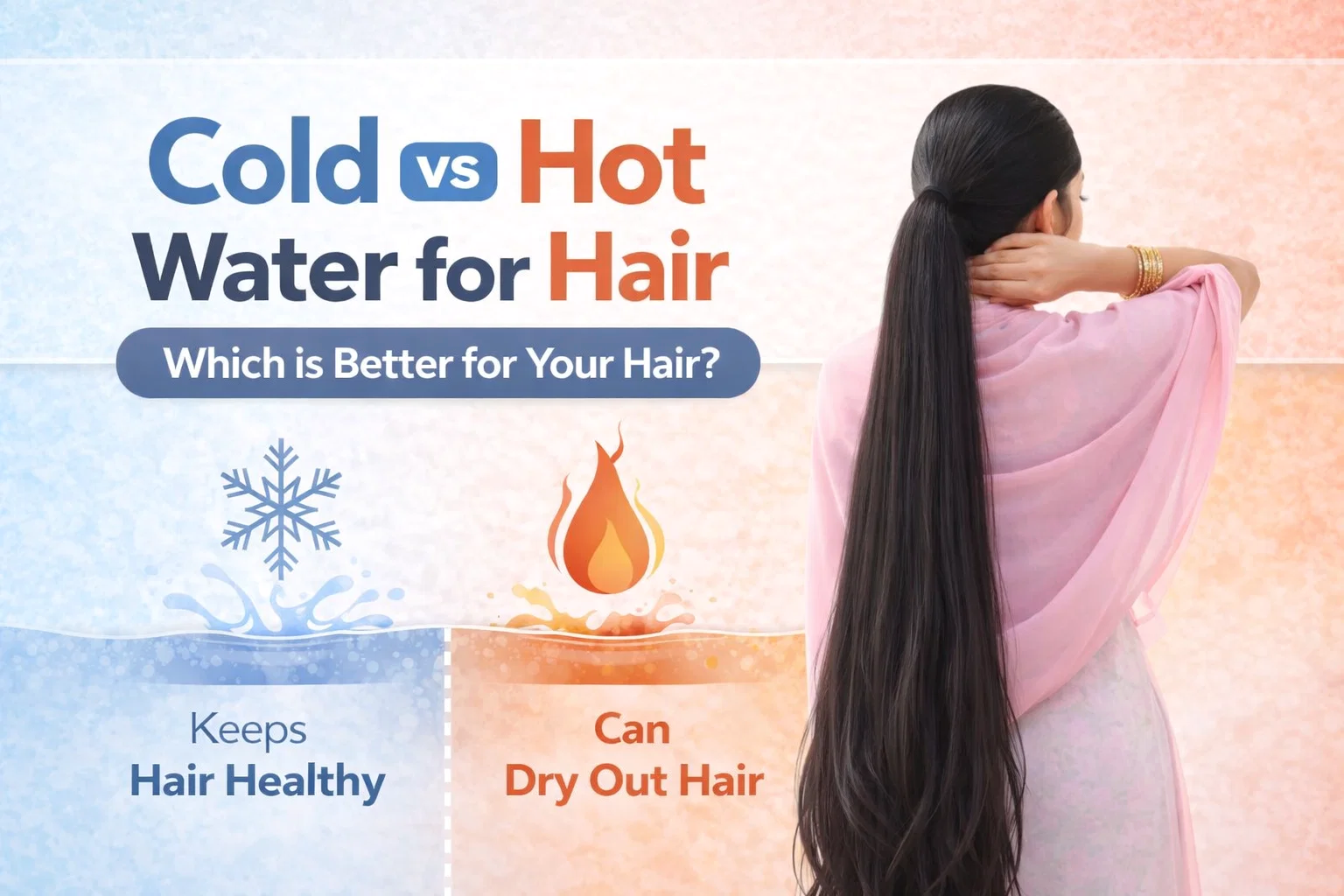
Cold Water vs. Hot Water for Hair Benefits for Growth, Shine Frizz Prevention
Have you ever stepped out of a steaming hot shower feeling relaxed but noticed your hair looking like a bird’s nest? It is a common frustration for anyone chasing that elusive salon-quality shine at home. While we often obsess over expensive shampoos, organic conditioners, and high-tech serums, we frequently overlook the most basic element of our hair care routine: the temperature of the water we use. The debate between cold water and hot water for hair health is not just a matter of preference; it is rooted in the biology of your hair strands and how they react to thermal changes. Understanding these differences can be the literal turning point for your hair journey.
The Science of the Hair Cuticle
To understand why water temperature matters so much, we have to look at the structure of a single hair strand. Think of your hair like a pinecone or a roof with overlapping shingles. These shingles are known as the cuticle. The cuticle is the outermost layer of the hair shaft and serves as the protective shield for the inner cortex. When the cuticle is flat and smooth, your hair looks shiny because light reflects off a level surface. When the cuticle is raised or damaged, your hair feels rough, looks dull, and becomes prone to tangling.
Temperature acts as a mechanical trigger for these cuticles. Heat causes things to expand, and cold causes them to contract. This simple law of physics dictates how your hair responds to your shower settings. If you are constantly blasting your scalp with high heat, you are essentially keeping the door to your hair fibers wide open, leaving the internal moisture vulnerable to the environment.
The Dangers of Scalding Hot Water
Most of us love a hot shower, especially on a chilly morning, but your hair usually pays the price. Using hot water consistently can lead to several long-term issues that no amount of leave-in conditioner can fully fix. When the water is too hot, it aggressively lifts the hair cuticle, which might seem helpful for cleaning, but it often goes too far.
Stripping Away Essential Natural Oils
Your scalp produces a natural oil called sebum. This oil is your hair’s built-in moisturizer and protector. Hot water acts as a powerful degreaser, much like it does when you are washing oily dishes in the sink. While you want to remove excess dirt and product buildup, stripping away all of your sebum leaves your hair unprotected. Without this oily barrier, your hair becomes porous, brittle, and loses its elasticity.
Weakening the Roots and Follicles
It is not just about the strands; the heat affects your scalp health too. Extremely hot water can irritate the skin on your head, leading to inflammation. Over time, this stress can weaken the hair at the root. Weak roots often result in increased shedding and slower growth cycles. If you find more hair than usual in your shower drain, your water temperature might be a contributing factor.
The Paradox of Overproduction
Interestingly, stripping away all the oil with hot water can actually make your hair oilier in the long run. When your scalp senses that it is bone-dry and stripped of its natural defenses, it goes into overtime. Your sebaceous glands start pumping out extra oil to compensate for the loss. This creates a frustrating cycle where you wash with hot water to get rid of grease, only to find your hair looking oily again by the next morning.
The Magic of the Cold Rinse
If hot water is the aggressor, cold water is the healer. While it might take a bit of courage to turn that knob to the blue side at the end of your shower, the benefits are nearly instantaneous. Cold water works by soothing the hair and the scalp, providing a finishing touch that locks in all the hard work of your hair care products.
Sealing in Moisture and Luster
The primary benefit of cold water is its ability to close and flatten the hair cuticle. Once you have applied your conditioner and let it penetrate the hair shaft, a cold rinse “locks” those nutrients inside. Because the cuticle is now lying flat, the surface of your hair becomes a mirror-like plane. This is where that incredible shine and luster come from. If you want that glass-hair look, cold water is your best friend.
The Ultimate Frizz Fighter
Frizz is essentially the result of a raised cuticle grabbing onto moisture in the air. By using cold water to seal the hair shut before you even step out of the shower, you are creating a barrier against humidity. This leads to a much smoother texture and makes your hair significantly easier to manage during the drying and styling process.
Shutterstock
Explore
Finding the Perfect Balance: The Three-Step Temperature Method
You do not have to suffer through an entirely freezing shower to get healthy hair. In fact, using only cold water might not get your hair clean enough. Professional stylists often recommend a tiered approach to water temperature to get the best results from your products.
- Step 1: Lukewarm Water for Cleansing. Start your shower with warm water. This gently opens the cuticle and helps the shampoo break down dirt and product residue without being as harsh as boiling hot water.
- Step 2: Warm Water for Conditioning. Keep it warm while you apply your conditioner or hair mask. This ensures the treatment can actually get inside the hair shaft to do its job.
- Step 3: The Cold Splash. For the final rinse, turn the temperature down as low as you can comfortably stand. Rinse for at least thirty seconds to ensure the cuticles are fully sealed and any remaining product is washed away.
Common Myths About Water Temperature
There are many old wives’ tales floating around the beauty world regarding water. One common myth is that cold water can actually make your hair grow faster. While cold water improves scalp health and reduces breakage, there is no scientific evidence that it directly speeds up the biological growth rate of the follicle. However, because it prevents the hair from snapping off, it helps you retain your length much more effectively, making it seem like your hair is growing faster.
Another myth is that you need hot water to kill bacteria on the scalp. Your scalp is a delicate ecosystem of microbes. Scalding water is more likely to cause a chemical imbalance or a burn than it is to “sanitize” your head. A gentle shampoo and lukewarm water are more than enough to maintain proper hygiene.
Additional Tips for Maintaining Hair Health
While water temperature is a game changer, it works best when combined with other smart habits. For example, avoid rubbing your hair aggressively with a towel after your cold rinse. Instead, pat it dry or use a microfiber wrap. When your hair is wet, it is at its most fragile state, and the friction can ruin the smooth cuticle you just worked so hard to seal with cold water.
You should also consider the quality of your water. If you live in an area with hard water, the minerals can build up on your hair regardless of the temperature. Combining a cold rinse with a filtered shower head can elevate your hair health to a whole new level, removing chlorine and heavy metals that cause dullness and dryness.
Conclusion: Small Changes, Big Results
Transforming your hair does not always require a cupboard full of expensive chemicals. Often, the most impactful changes are the simplest ones. By being mindful of the temperature and opting for that final cold rinse, you are working with your hair’s natural biology rather than against it. You will notice less frizz, more shine, and a scalp that feels balanced and healthy. It might be a bit of a shock to the system the first few times you try it, but once you see the vibrant, lustrous results in the mirror, you will never want to go back to a steaming hot hair wash again. Give it a try during your next shower and let your hair speak for itself.