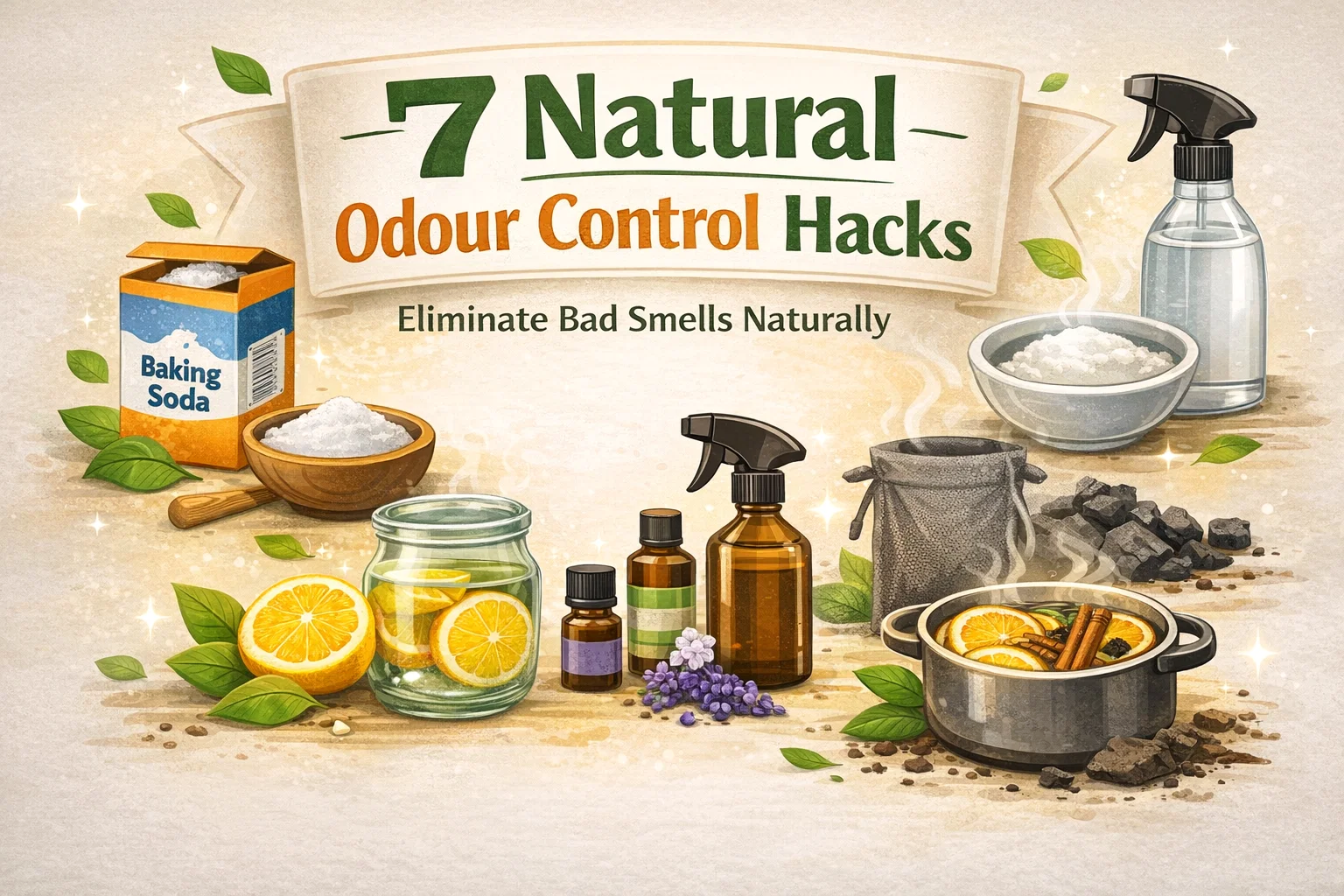
7 Natural Odor Control Hacks to Make Your House Smell Amazing Without Chemicals
Walking into a home that smells fresh and clean is one of the most underrated joys of adulthood. We often associate cleanliness with that sharp, artificial scent of “mountain breeze” or “lemon glade” from a spray bottle, but those synthetic fragrances often mask odors rather than eliminating them. Even worse, many conventional air fresheners are packed with volatile organic compounds that can irritate your lungs and affect indoor air quality. If you are looking for a way to ditch the chemicals and embrace a more holistic approach to home maintenance, you have come to the right place. Natural odor control is not just about making things smell good; it is about using the science of nature to neutralize smells at their source.
The Science of Neutralizing Natural Odors
Before we dive into the specific hacks, it is helpful to understand why natural ingredients work so well. Odors are essentially volatile molecules that our noses detect in the air. Most household smells are either acidic or basic in nature. For example, the smell of sour milk is acidic, while the smell of rotting fish is basic. Natural deodorizers like baking soda and vinegar work through chemical reactions to neutralize these pH levels, effectively turning smelly molecules into odorless salts. Other methods, such as using activated charcoal, work through adsorption, where the porous surface of the carbon traps the odor molecules like a magnet. By using these methods, you are actually cleaning the air rather than just layering a heavy perfume on top of a problem.
1. Baking Soda: The Multi-Purpose Deodorizer
Baking soda, or sodium bicarbonate, is the undisputed heavyweight champion of the natural cleaning world. Because it is a mild alkali, it is incredibly effective at neutralizing acidic odor molecules. It is also incredibly versatile and safe to use around pets and children.
Refreshing Your Fridge and Freezer
The classic trick of keeping an open box of baking soda in the fridge is a classic for a reason. To make it even more effective, do not just leave it in the cardboard box. Pour the powder into a shallow bowl to increase the surface area. This allows more air to come into contact with the powder, helping it soak up the smells of last night’s onion-heavy leftovers or that forgotten container of yogurt in the back.
Revitalizing Carpets and Rugs
Carpets act like giant filters for your home, trapping dust, pet dander, and foot odors. To refresh them, sprinkle a generous layer of baking soda over the entire surface. Let it sit for at least thirty minutes, or even overnight if the smell is particularly stubborn. As it sits, it draws out moisture and neutralizes trapped odors. When you vacuum it up, you will notice an immediate difference in the room’s freshness.
Managing Trash Bin Smells
Even with a liner, trash cans can develop a persistent funk. To combat this, sprinkle a tablespoon of baking soda at the bottom of the bin before you put in a new bag. It helps catch any drips and keeps the base of the bin smelling neutral between deep cleans.
2. White Vinegar: The Kitchen Essential
White vinegar is a powerhouse when it comes to cutting through grease and neutralizing alkaline odors. While it has a strong scent initially, that vinegar smell dissipates quickly, taking the unwanted household odors along with it.
Customizing a Natural Deodorizing Spray
You can create a simple, effective all-purpose deodorizer by mixing one cup of white vinegar with one cup of water in a spray bottle. This is perfect for wiping down kitchen counters, cleaning out the inside of your microwave, or refreshing the surface of wooden cutting boards. It acts as a mild disinfectant while stripping away stubborn food smells like garlic or fish.
Clearing the Air in Smelly Rooms
If you have been cooking something particularly pungent, or if a room feels stagnant, place a small bowl of white vinegar in the corner. Leave it out for a few hours or overnight. You will be surprised at how effectively it pulls odors out of the air without you having to lift a finger.
3. The Power of Citrus: Lemon Hacks
Lemons are nature’s concentrated cleaners. They contain high levels of citric acid and refreshing essential oils that provide an immediate “clean” scent while working hard to break down grime.
Sanitizing the Sink and Garbage Disposal
The garbage disposal is often the hidden source of “mystery” kitchen smells. To fix this, cut a lemon into small chunks and run them through the disposal with plenty of cold water. The rinds act as a natural abrasive to scrub the blades, while the juice kills bacteria. For the sink itself, rub a halved lemon dipped in coarse salt over the stainless steel. The salt acts as a scrub, and the lemon leaves the basin sparkling and fragrant.
Microwave Steam Cleaning
If your microwave smells like burnt popcorn or old soup, place a bowl of water with several lemon slices inside. Microwave it on high for three to five minutes until the water boils and the window fogs up. Let it sit for a few minutes before opening. The steam will loosen stuck-on food, and the lemon oil will leave the interior smelling like a citrus grove.
4. Activated Charcoal for Long-Term Freshness
Activated charcoal is not the same as the briquettes you use for your grill. It is a specially treated form of carbon with millions of tiny pores that trap gases and moisture. It is particularly useful for areas that suffer from dampness or lack of airflow.
Closet and Shoe Deodorizing
Closets and shoes are notorious for trapping moisture and developing a musty smell. Placing small mesh bags filled with activated charcoal in these spots is a game-changer. They do not release a scent; they simply “eat” the bad smells. You can tuck them into the toes of your sneakers or hang them between your coats.
How to Recharge Your Charcoal
One of the best things about activated charcoal is that it is sustainable. Every month or two, place your charcoal bags outside in direct sunlight for a few hours. The UV rays and heat release the trapped odor molecules, “recharging” the charcoal so you can use it again and again for up to two years.
5. Essential Oil Sprays for Textiles
Fabric surfaces like curtains, sofas, and bedding act as sponges for household smells. Since you cannot always toss your sofa into the washing machine, a natural fabric spray is the next best thing.
The Perfect Fabric Refresh Recipe
To make your own, mix one cup of distilled water, one tablespoon of rubbing alcohol (which helps the spray evaporate quickly), and ten to fifteen drops of your favorite essential oil. Lavender is wonderful for a calming bedroom vibe, while tea tree oil offers potent antibacterial properties that are great for high-traffic living room furniture. Give the bottle a good shake and lightly mist your textiles for an instant lift.
6. Using Coffee Grounds to Absorb Scents
If you are a coffee lover, do not throw away those used grounds! Dried coffee grounds contain nitrogen, which helps neutralize sulfur smells in the air. They are incredibly effective at absorbing odors rather than just masking them.
Strategic Placement
Place a bowl of dried, used coffee grounds in the fridge or even in your car. They work similarly to baking soda but provide a very faint, pleasant roasted aroma. Just make sure the grounds are completely dry before you use them to prevent mold, and remember to swap them out weekly for the best results.
7. The Whole-House Solution: The Simmer Pot
If you want your entire home to smell like a high-end spa or a cozy bakery, the simmer pot is your best friend. This is a stovetop method that releases moisture and fragrance throughout your living space.
Creating Your Signature Scent
Fill a small pot with water and add a variety of aromatic ingredients. A classic combination includes orange slices, cinnamon sticks, and a handful of whole cloves. Bring the water to a gentle simmer on the lowest heat setting. As the water evaporates, it carries the scent of the spices and fruit through every room. It is a fantastic alternative to scented candles, which can sometimes release soot or synthetic chemicals into your home. Just be sure to keep an eye on the water level and add more as needed.
Conclusion: A Greener, Fresher Home
Achieving a fresh-smelling home does not require a cabinet full of expensive, chemical-heavy products. By turning to simple, pantry-staple ingredients like baking soda, vinegar, and lemons, you can effectively eliminate odors while keeping your living environment safe and healthy. These seven hacks prove that nature often has the best solutions for our everyday problems. Whether you are tackling a stinky trash can or simply want to create a welcoming atmosphere for guests, these methods are easy, affordable, and incredibly effective. Give them a try today and experience the difference that natural freshness can make in your daily life.