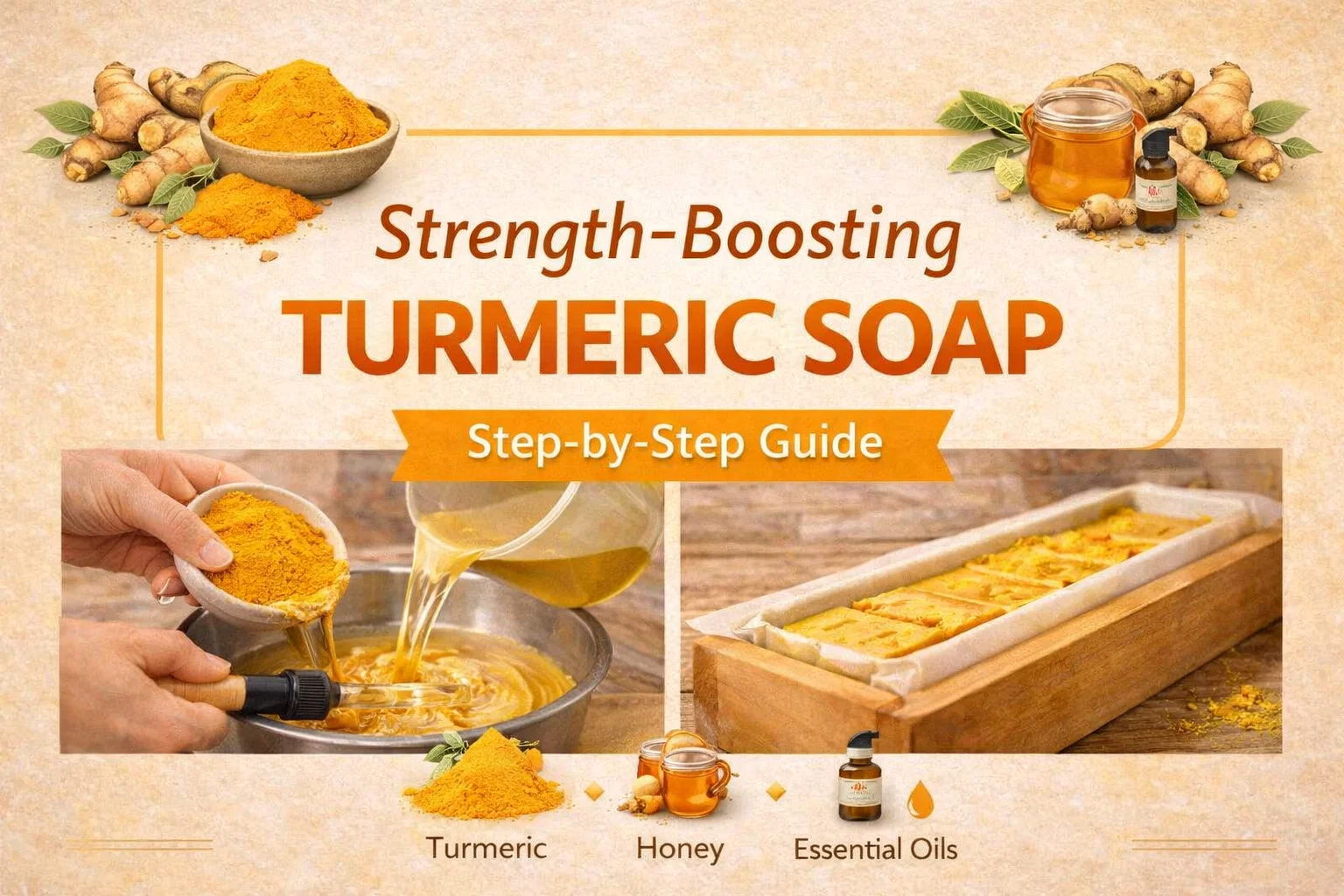
DIY Turmeric Soap Recipe for Strength Resilience Homemade Ginger Honey Soap Guide
There is something profoundly grounding about the art of traditional soap making. It is a craft that bridges the gap between ancient herbal wisdom and modern self-care, allowing us to transform simple, raw ingredients into a tool for daily ritual. When we look at the vibrant, golden hue of turmeric, we are not just looking at a kitchen spice; we are looking at a symbol of resilience and vitality. This August-inspired Strength Turmeric Soap is designed to be more than just a cleansing bar. It is a sensory experience that combines the anti-inflammatory power of turmeric with the humectant properties of honey and the warming, energetic kick of ginger essential oil. Whether you are looking to brighten your skin or find a moment of strength in your morning shower, this recipe offers a path to both.
The Philosophy of Strength in Skincare
In our fast-paced world, strength is often associated with hardness or resistance. However, in the world of natural wellness, strength is about resilience, flexibility, and the ability to heal. Turmeric is the perfect botanical representation of this. Known for centuries in Ayurvedic traditions as a healing powerhouse, it helps the skin recover from environmental stressors and inflammation. By incorporating this into a cold-process soap, we are creating a product that supports the skin’s natural barrier while providing a glowing, healthy appearance. The addition of an affirmation like I am strong and resilient during the crafting process turns a DIY project into a meditative practice, ensuring that the energy you put into the soap is as nourishing as the ingredients themselves.
Understanding the Ingredients: A Deep Dive into the Formula
To create a bar of soap that is both effective and luxurious, the balance of oils and additives must be precise. This recipe uses a thoughtful blend of fats to ensure a hard, long-lasting bar with a creamy, moisturizing lather. Let us break down why these specific components were chosen for the Strength Turmeric Soap.
The Base Oils and Butters
- Olive Oil (500g): This is the backbone of our recipe. Olive oil is famous for creating a gentle, conditioning lather that is suitable for even the most sensitive skin types. It is rich in antioxidants and helps to maintain skin moisture long after you have stepped out of the water.
- Coconut Oil (300g): While olive oil provides the conditioning, coconut oil provides the bubbles. It is a powerful cleanser that creates a large, fluffy lather. In this ratio, it ensures the soap feels effective without being overly stripping.
- Shea Butter (200g): To add a touch of luxury and extra hardness to the bar, shea butter is essential. It contributes to a stable, lotion-like lather and provides unsaponifiables, which are fats that remain in the soap to moisturize your skin directly.
The Healing Additives
- Turmeric Powder (15g): Beyond its beautiful golden color, turmeric is celebrated for its ability to even out skin tone and reduce redness. It acts as a mild exfoliant if left slightly textured, giving your skin a polished finish.
- Natural Honey (30g): Honey is a natural humectant, meaning it draws moisture from the air into your skin. It also contains sugars that help boost the lather of the soap, making it feel extra decadent.
- Ginger Essential Oil (20g): Ginger is a warming oil that stimulates circulation. Its spicy, sharp scent is known to provide a sense of empowerment and clarity, perfectly aligning with the theme of strength.
The Science of Saponification: Safety First
Before diving into the mixing process, it is crucial to respect the chemistry at play. Cold-process soap making involves a reaction called saponification, where an acid (oils and fats) reacts with a base (sodium hydroxide dissolved in water) to create soap and glycerin. Working with lye requires focus and safety gear. Always wear gloves, eye protection, and long sleeves. Ensure your workspace is well-ventilated, and always add your lye to the water, never the other way around, to prevent a dangerous reaction. Once the lye and oils are fully combined and cured, no lye remains in the finished product, leaving you with a safe, natural cleanser.
Step 1: Preparing the Lye Solution and Melting Oils
The first step in our journey is to prepare the two main components of the soap. Begin by weighing out 300g of distilled water into a heat-safe plastic or glass container. In a separate dry container, weigh 128g of sodium hydroxide. Slowly pour the sodium hydroxide into the water, stirring until dissolved. This mixture will become very hot and release fumes, so step back and let it sit in a safe place to cool. While the lye is cooling, combine your olive oil, coconut oil, and shea butter in a large stainless steel pot. Heat them gently until the shea butter and coconut oil are completely melted. Aim to have both your lye solution and your melted oils at a similar temperature, ideally between 100 and 110 degrees Fahrenheit, before moving to the next step.
Step 2: Reaching Trace and Adding Botanicals
Once your temperatures are aligned, it is time for the magic to happen. Slowly pour the lye solution into the pot containing your oils. Use a stick blender to pulse and stir the mixture. You are looking for a state called trace, which is when the mixture thickens to the consistency of a thin pudding. If you lift the blender and the soap batter trailing off it leaves a visible mark on the surface, you have reached trace. This is the perfect moment to incorporate your 15g of turmeric powder, 30g of honey, and 20g of ginger essential oil. Use the whisk or the stick blender to ensure the turmeric is evenly distributed, creating that signature golden August glow without any clumps.
Step 3: Pouring and Texturing
With your soap batter fully emulsified and fragranced, it is time to pour it into the mold. A silicone-lined wooden mold is excellent for this recipe as it helps insulate the soap, encouraging a full gel phase which makes the turmeric color pop. Carefully pour the batter into the mold, tapping it firmly on the counter to release any trapped air bubbles. To add a touch of botanical elegance and a contrast to the warm gold, top the wet soap with a sprinkle of dried lavender flowers. This adds a visual layer of peace to the theme of strength, reminding us that true power often comes with a sense of calm.
Step 4: The Curing Process and Cutting
Patience is perhaps the hardest part of soap making. Cover your mold with a clean cloth and let it sit in a draft-free area for 24 to 48 hours. During this time, the soap will finish the saponification process and begin to harden. Once the soap feels firm to the touch, gently unmold it. Using a sharp soap cutter or a stainless steel knife, cut the block into individual bars. You will see the beautiful, rich interior of the soap revealed for the first time. However, the bars are not quite ready for the shower yet. They need to cure for 4 to 6 weeks in a cool, dry place. This allows the excess water to evaporate, resulting in a harder, longer-lasting bar with a better lather and a milder pH for your skin.
Benefits of Turmeric Soap for the Skin
Why go through the effort of making your own turmeric soap? The benefits are numerous and far-reaching. Turmeric contains curcumin, a bioactive compound with powerful anti-inflammatory and antioxidant properties. This makes the soap an excellent choice for those dealing with acne, eczema, or psoriasis, as it helps to calm the skin and reduce irritation. Furthermore, the natural honey in this recipe acts as an antibacterial agent, helping to keep pores clear while maintaining hydration. Regular use can lead to a more radiant complexion and a noticeable reduction in dark spots or hyperpigmentation, giving you the confidence that comes with healthy, resilient skin.
Summary of Benefits:
- Anti-Inflammatory: Reduces redness and calms irritated skin.
- Deep Hydration: Shea butter and honey ensure the skin never feels tight or dry.
- Glow-Inducing: Turmeric helps brighten dull skin for a natural radiance.
- Aromatherapeutic: Ginger oil provides an energizing and empowering scent profile.
The Ritual of Use: Setting an Affirmation
To get the most out of your Strength Turmeric Soap, turn your daily wash into a ritual. As you lather the soap in your hands, take a deep breath and inhale the spicy, grounding scent of ginger. Visualize the golden energy of the turmeric soaking into your skin. Repeat the affirmation: I am strong and resilient. By connecting your physical actions with a positive mental state, you transform a mundane task into an act of self-love. This soap serves as a physical reminder that you have the ingredients within you to face whatever the day brings, just as the ingredients in the bar work together to protect and nourish your body.
Final Thoughts on Handcrafted Wellness
Creating your own skincare is an empowering journey that puts you in control of what goes onto your body. The Strength Turmeric Soap is more than just a recipe; it is a celebration of natural ingredients and the power of the human spirit. By following this guide, you have crafted something that is both beautiful and functional, a bar that honors the warmth of August and the enduring nature of strength. As you share these bars with friends or keep them for your own personal sanctuary, remember that the most important ingredient was your own intention and care. Enjoy the glow, embrace your resilience, and happy soap making.
Would you like me to generate another post for a different recipe or perhaps create an SEO-optimized Pinterest description for this one?