DIY Natural Homemade Deodorant for Dry Skin Gentle Aluminum Free Recipe
Switching to a natural deodorant is one of the most rewarding steps you can take on your journey toward a non-toxic lifestyle. If you have ever experienced the frustration of dry, itchy underarms or painful rashes from store-bought sticks, you know that finding the right balance between effectiveness and skin health is a challenge. Many conventional deodorants rely on harsh chemicals and aluminum to block sweat, which can leave sensitive skin feeling stripped and irritated. This homemade natural deodorant recipe is specifically formulated for dry skin, focusing on deeply nourishing ingredients like shea butter and coconut oil to provide a protective barrier while keeping you fresh all day long.
The Science of Natural Odor Protection
To understand why this DIY recipe works so well, it is important to look at how natural ingredients handle odor without the need for synthetic additives. Odor is caused by bacteria breaking down the proteins in your sweat. Most commercial products use antiperspirants to plug your sweat glands, but sweating is a vital natural process for detoxification and temperature regulation. Natural deodorants take a different approach by neutralizing the bacteria and absorbing excess moisture rather than stopping the body from doing its job.
Why Coconut Oil and Shea Butter are Key
The base of this recipe relies on two powerhouse fats: coconut oil and shea butter. Coconut oil is famous for its antimicrobial properties, thanks to its high lauric acid content. This helps to significantly reduce the population of odor-causing bacteria on the skin surface. Shea butter adds a layer of creamy protection that is rich in vitamins A and E. For those with dry skin, shea butter is a lifesaver because it helps to heal small nicks from shaving and prevents the skin from becoming flaky or tight throughout the day.
Arrowroot Powder vs Baking Soda
Many DIY deodorant recipes use baking soda as the primary odor fighter. While effective, baking soda is highly alkaline and can be extremely irritating to people with sensitive or dry skin, often leading to dark patches or chemical burns. This recipe uses arrowroot powder instead. Arrowroot is a gentle, plant-based starch that excels at absorbing moisture and providing a silky, smooth texture to the final product. It ensures that you stay dry without upsetting your skin’s natural pH balance.
Step-by-Step Guide to Crafting Your Deodorant
Creating your own personal care products at home allows you to control every single ingredient that touches your body. This recipe is simple, cost-effective, and produces a professional-quality deodorant stick that rivals expensive boutique brands. Follow these steps to ensure a perfect consistency every time.
Gathering Your Supplies
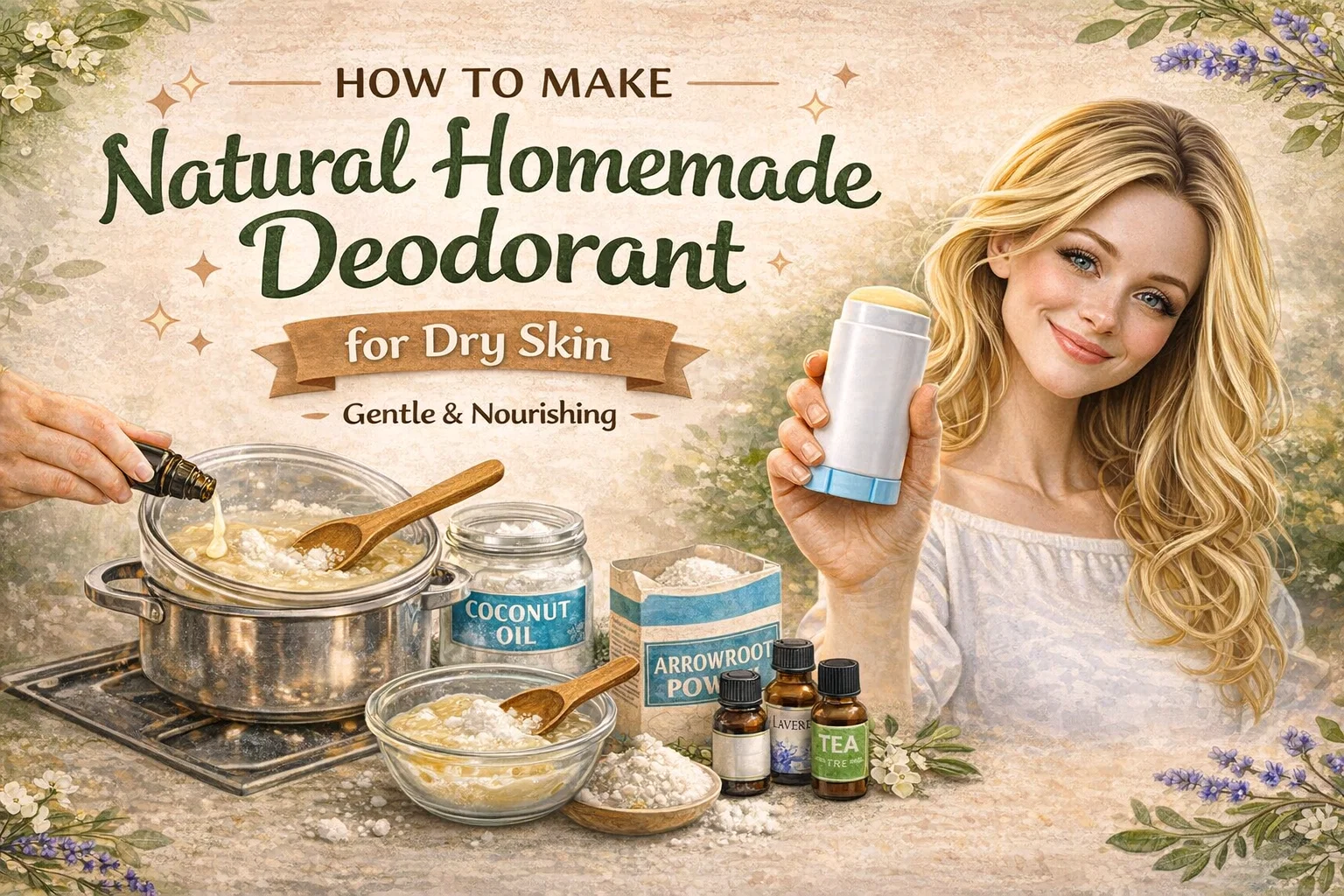
Before you begin, make sure you have a small saucepan and a glass bowl to create a double boiler. Using a double boiler is essential because it allows the ingredients to melt slowly and evenly without scorching. You will also need a clean, empty deodorant container or a small glass jar if you prefer a cream-style application. Ensure all your utensils are dry, as water can introduce bacteria and shorten the shelf life of your natural creation.
The Melting Process
Start by combining 1/4 cup of coconut oil and 1/4 cup of shea butter in your glass bowl over the simmering water. Stir gently with a wooden spoon or a silicone spatula. You want to reach a point where the mixture is completely liquid and transparent. Once the fats have melted together, remove the bowl from the heat. This is a critical step because adding the powder to a boiling hot liquid can cause clumping, making the application gritty.
Achieving the Perfect Texture
Slowly whisk in 1/4 cup of arrowroot powder. It is best to add the powder one tablespoon at a time, stirring constantly to ensure a smooth, lump-free consistency. If you find the mixture is too thin, you can add an extra teaspoon of arrowroot, but remember that the deodorant will firm up significantly as it cools. The goal is a texture that looks like thick heavy cream before it is poured into the container.
Customizing with Essential Oils
One of the best parts of making your own deodorant is the ability to customize the scent profile. Beyond just smelling good, many essential oils offer additional antibacterial benefits that boost the performance of your deodorant. Aim for about 10 to 15 drops of high-quality, therapeutic-grade oils for this batch size.
Lavender and Tea Tree for Maximum Freshness
Lavender is a classic choice because it is incredibly soothing to the skin and has a timeless, clean aroma. When paired with tea tree oil, you create a powerful defense against odor. Tea tree is a potent antifungal and antibacterial agent. If you find tea tree a bit too medicinal on its own, the floral notes of lavender balance it perfectly. This combination is particularly good for those who are active or live in warmer climates.
Citrus and Woodsy Blends
For a more invigorating morning routine, consider using lemon or grapefruit essential oils. Citrus oils are naturally uplifting, though you should be careful with sun exposure as some citrus oils can be photosensitive. If you prefer a more grounded scent, sandalwood, cedarwood, or frankincense provide a sophisticated, earthy aroma that works well for anyone. These oils also have skin-healing properties that complement the moisturizing base of the recipe.
Pro Hacks for Sensitive Skin
If your skin is particularly reactive, you might need a little extra help to prevent irritation. Even natural ingredients can sometimes be a bit much for the delicate underarm area if the skin barrier is compromised. There are a few simple tweaks you can make to this recipe to cater to the most sensitive individuals.
The Benefits of Zinc Oxide
Adding one tablespoon of non-nano zinc oxide powder to your mixture can be a total game-changer. Zinc oxide is the same ingredient found in baby diaper creams and sunscreens. It is incredibly effective at calming inflammation and creating a physical barrier against friction. It also has mild deodorizing properties, making it a fantastic addition for those who want to skip baking soda entirely but still need strong protection.
Patch Testing and Transitioning
When switching from an aluminum-based antiperspirant to a natural deodorant, your body may go through a transition period. This is often called a detox phase where your sweat glands are finally clear and may temporarily produce more odor as they rebalance. To make this easier, always perform a patch test on a small area of your skin before full application. If you experience any redness, try applying a small amount of apple cider vinegar diluted with water to your underarms before the deodorant to help balance the skin pH.
How to Store and Apply Your Natural Deodorant
Because this recipe does not contain synthetic stabilizers or preservatives, how you store it matters. Since the base is coconut oil, the consistency will change based on the temperature of your home. Coconut oil melts at 76 degrees Fahrenheit, so if your bathroom gets very warm in the summer, your deodorant might become quite soft.
Temperature Control
During the hot summer months, you may want to store your deodorant in a cool place or even the refrigerator to keep it in a solid stick form. If you prefer a more stable product year-round, you can add a teaspoon of melted beeswax pellets during the melting phase. This raises the melting point and gives the stick more structure, making it easier to travel with.
Application Tips
A little goes a long way with this concentrated formula. You only need a couple of light swipes to get full coverage. If the stick feels a bit firm, hold it against your skin for a few seconds; the warmth of your body will soften the oils and allow it to glide on smoothly. Let the deodorant sit for a minute before getting dressed to prevent any oil transfer to your clothing. Because this recipe uses arrowroot powder instead of heavy waxes, it shouldn’t leave those stubborn white stains that are common with commercial brands.
Embracing a Cleaner Beauty Routine
Making your own deodorant is more than just a DIY project; it is a statement about your health and the environment. By choosing natural ingredients, you are reducing the chemical load on your body and preventing plastic waste from ending up in landfills. Your skin is your largest organ, and it absorbs much of what you put on it. Switching to a homemade version ensures that you are nourishing your body with vitamins and healthy fats rather than exposing it to parabens, phthalates, and synthetic fragrances.
The journey to wellness is built on small, sustainable changes. This gentle, nourishing deodorant for dry skin is a perfect example of how simple ingredients can provide superior results. Once you experience the soft, hydrated feel of your underarms and the reliable freshness of essential oils, you will never want to go back to the aerosol or plastic tubes from the grocery store. It is a simple luxury that makes a big difference in how you feel every single day.
Conclusion: Your Path to Natural Freshness
Transitioning to a natural, homemade deodorant is a wonderful way to care for your body while achieving effective results. By using a blend of coconut oil, shea butter, and arrowroot powder, you are treating your skin to a spa-like experience every morning. This recipe proves that you do not have to sacrifice comfort for cleanliness. Whether you are a seasoned DIY enthusiast or a newcomer to natural beauty, this formula provides the perfect balance of moisture and protection. Give your skin the gentle care it deserves and enjoy the peace of mind that comes with knowing exactly what is in your personal care products. Start your batch today and feel the difference that truly natural ingredients can make.