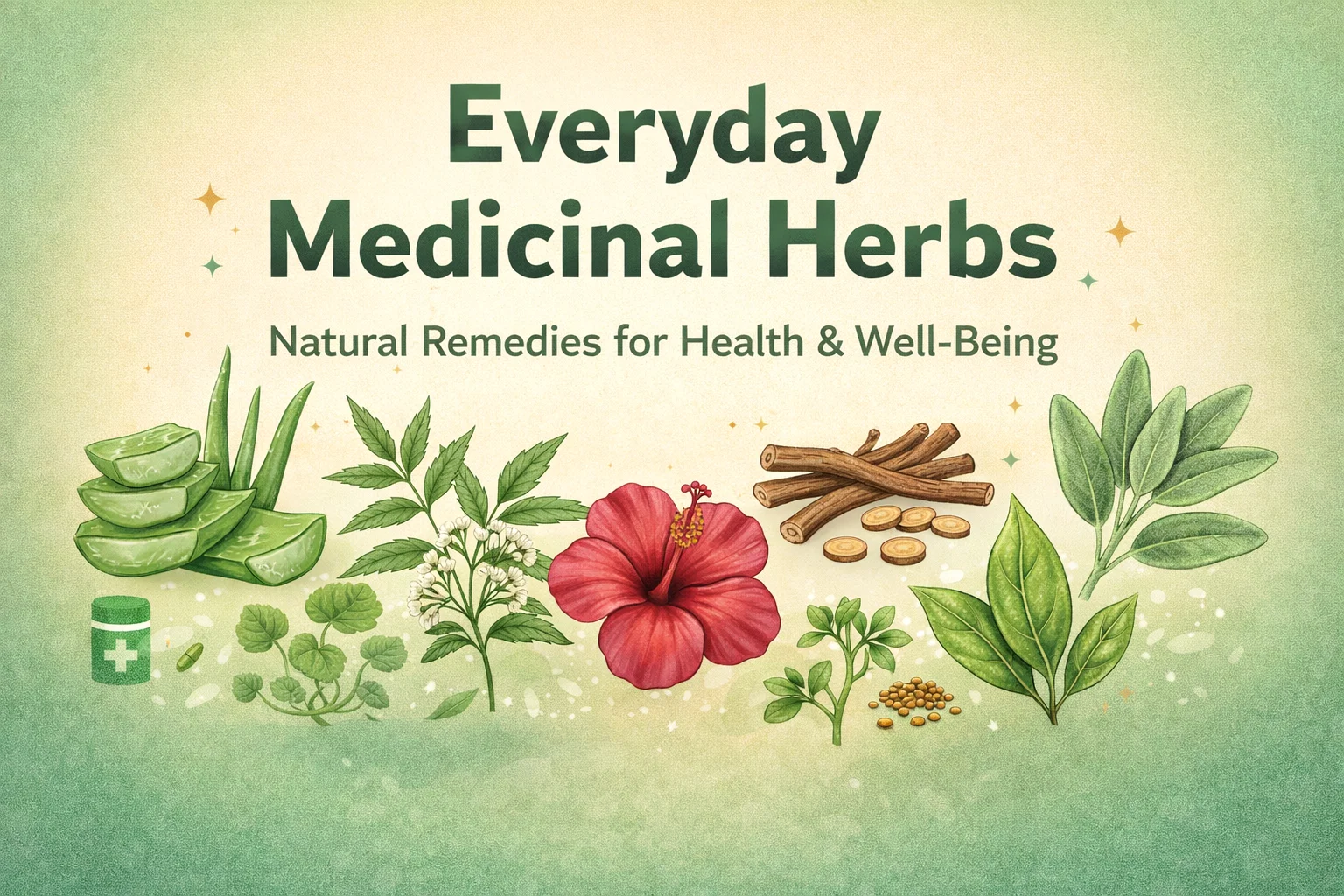
Natures Healing Pantry Everyday Medicinal Plants Herbs
Welcome to the wonderful world of natural wellness. For centuries, our ancestors relied on the earth to provide remedies for everyday ailments, turning to leaves, roots, and flowers to soothe, heal, and invigorate the body. Today, many of us are rediscovering this ancient wisdom and building our very own healing pantries right at home. You do not need a degree in botany or a sprawling garden to harness the power of plant medicine. By simply stocking up on a few everyday medicinal plants, you can transform your kitchen into a hub of holistic health and well-being. Let us dive deep into some of the most powerful and accessible herbs you can keep on hand to support your daily vitality.
The Foundation of a Healing Pantry
Creating a medicinal pantry is about empowering yourself with natural alternatives for common, minor health concerns. It is incredibly fulfilling to know exactly what is going into your body and to utilize ingredients that are as close to their natural state as possible. The plants we are about to explore offer a wide spectrum of benefits, ranging from soothing minor burns to supporting cognitive function and boosting your immune system. Whether you prefer brewing a warm cup of herbal tea, creating your own infused oils, or simply adding a new spice to your dinner, these herbs are versatile, effective, and beautifully simple to use.
Skin Soothing and Purifying Powerhouses
Aloe Vera: The Ultimate Skin Healer
Aloe Vera is perhaps one of the most widely recognized medicinal plants in the world, and for excellent reason. The thick, fleshy leaves of this succulent contain a clear gel that is an absolute lifesaver for skin irritations. It is most famous for instantly soothing sunburns and kitchen burns, but its benefits go much further. Aloe Vera is profoundly hydrating, making it an excellent natural moisturizer that does not clog pores. Internally, Aloe Vera juice is often used to support digestion and soothe the digestive tract. You can keep a potted Aloe Vera plant in your kitchen window for fresh gel, or stock up on high-quality, pure Aloe juice and creams.
Neem: The Ancient Purifier
Neem is a cornerstone of Ayurvedic medicine, highly revered for its incredible purifying properties. Every part of the Neem tree is utilized, but the leaves are most common in home pantries. Neem is a potent antimicrobial and antibacterial agent. It is exceptionally good for purifying the skin, helping to clear up blemishes and support a healthy complexion. Furthermore, Neem is frequently used to support oral health, often found in natural toothpastes and mouthwashes. You can easily incorporate Neem into your routine by keeping Neem powder for face masks, Neem oil for topical spot treatments, or dried Neem leaves to brew a cleansing tea.
Respiratory Health and Immune Support
Sage: The Throat Soother
Sage is not just for stuffing on Thanksgiving. This aromatic herb is a powerhouse for immune support and respiratory health. When you feel a scratchy, sore throat coming on, a warm cup of Sage tea can provide immense relief thanks to its natural astringent and antimicrobial properties. Beyond physical health, Sage has been shown to help improve memory and support overall cognitive function. You can keep dried Sage leaves in your pantry to brew comforting teas, or use smudge bundles to clear the energy and purify the air in your living space.
Thyme: The Antimicrobial Champion
If you have Thyme in your spice rack, you already have a powerful medicinal herb at your fingertips. Thyme is deeply supportive of respiratory health. It is particularly effective at easing coughs and clearing congestion. Its strong antimicrobial care properties make it an excellent herb to reach for during the colder months when immune challenges are frequent. You can steep fresh sprigs or dried Thyme in hot water with a little honey for a lung-supporting tea, or use Thyme essential oil in a diffuser to help clear the air.
Licorice Root: The Lung Comforter
Licorice Root is a remarkably sweet and grounding herb that acts as a natural demulcent. This means it creates a soothing film over mucous membranes, making it incredibly effective for calming coughs and soothing a sore throat. It is deeply supportive of lung health and is often used to calm an upset stomach. Because of its naturally sweet flavor, it makes a wonderful addition to herbal tea blends. You can keep dried Licorice root on hand to simmer into a decoction, or use the powdered form to mix into warm water.
Heart Health and Internal Balance
Hibiscus: The Antioxidant Powerhouse
Aesthetically beautiful and medically potent, Hibiscus is a tropical flower that brews into a vibrant, ruby-red tea. It is incredibly rich in antioxidants, which help fight free radicals in the body. Hibiscus is highly regarded for supporting heart health and helping to maintain healthy blood pressure levels already within the normal range. In traditional practices, it is also used for its cooling properties, making it a refreshing iced tea during the hot summer months. Keep dried Hibiscus petals in your pantry to make beautiful, tart teas and homemade syrups.
Fenugreek: The Balancing Seed
Fenugreek is a fascinating plant with seeds that offer a maple-like flavor and a host of health benefits. It is highly valued for its ability to balance blood sugar levels and support healthy digestion. For nursing mothers, Fenugreek is a traditional and highly effective remedy for boosting lactation. The seeds can be lightly toasted and added to curries, ground into a powder for capsules, or steeped into a warming, balancing tea.
Cognitive Support and Calming the Mind
Brahmi (Gotu Kola): The Mind Enhancer
In our fast-paced world, herbs that support the nervous system are more important than ever. Brahmi, also known as Gotu Kola, is a revered brain tonic in traditional herbalism. It is renowned for enhancing memory, improving concentration, and most importantly, calming a restless mind. Beyond its cognitive benefits, Brahmi also supports skin healing and tissue repair. Adding Brahmi to your routine can be as simple as brewing the dried leaves into a daily tea, using the powder in smoothies, or taking it in convenient capsule form.
The Everyday Culinary Healer
Bay Leaf: The Digestive Aid
We often drop a Bay Leaf into a simmering pot of soup and forget about it, but this humble leaf is doing much more than just adding flavor. Bay Leaves are excellent for aiding digestion and reducing bloating. They possess natural anti-inflammatory properties and can even help relieve congestion when used in steam inhalations. The next time you cook with Bay Leaves, remember you are adding a dose of natural medicine to your meal. You can also brew dried Bay Leaves into a surprisingly comforting tea or infuse them into massage oils for sore muscles.
Embracing the Wisdom of Plant Medicine
Building a natural healing pantry is a deeply rewarding journey. By familiarizing yourself with everyday medicinal plants like Aloe Vera, Sage, Hibiscus, and Thyme, you take an active, holistic role in your own daily well-being. These herbs offer gentle, effective support for everything from digestion and skin health to immunity and cognitive focus.
Start small. Choose two or three plants that resonate with your current health goals and begin incorporating them into your daily routine. Experiment with brewing teas, making infused oils, or simply adding more medicinal spices to your cooking. As you experience the gentle power of these plants, your healing pantry will naturally grow. Remember that while herbs are incredibly safe and beneficial, it is always wise to consult with a healthcare professional before making significant changes to your wellness routine, especially if you are pregnant, nursing, or taking medications. Embrace the journey of natural wellness and let the earth’s pantry support you every step of the way.