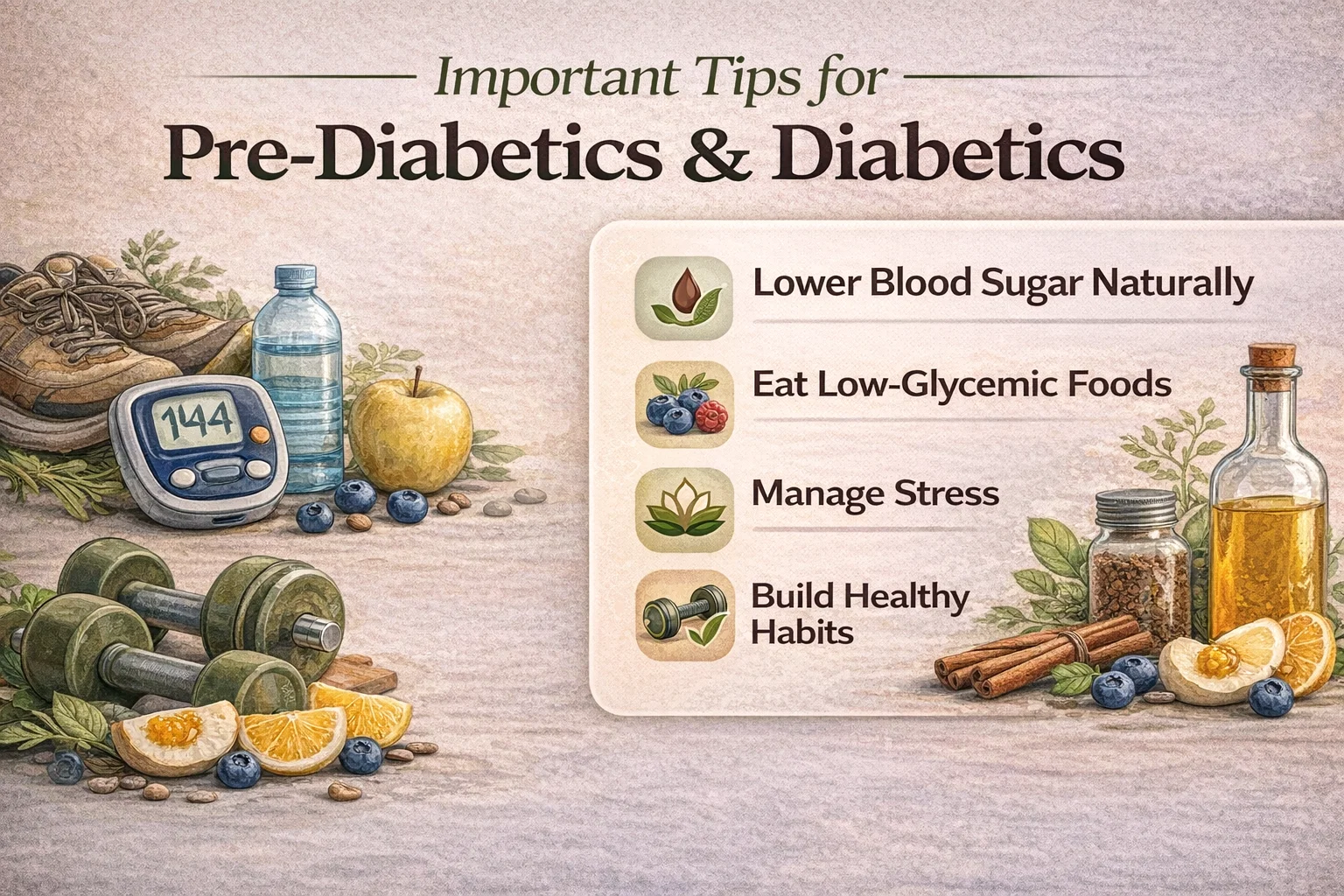
Hidden Blood Sugar Secrets Every Diabetic Pre-Diabetic Must Know
Managing your blood sugar can often feel like a complicated puzzle, especially when you are navigating a pre-diabetic or diabetic diagnosis. You might feel overwhelmed by restrictive diets, endless rules, and the constant stress of monitoring your levels. However, balancing your glucose does not always require extreme measures. In fact, some of the most effective strategies are simple, natural, and completely within your control. By making small, mindful tweaks to your daily routine, you can create a profound impact on your metabolic health. Let us explore the hidden, holistic secrets that every pre-diabetic and diabetic should know to achieve natural balance and vibrant health.
The Magic of Post-Meal Movement
One of the most powerful tools for blood sugar control is completely free and requires no special equipment: walking. Taking a gentle 10 to 15-minute walk immediately after eating can dramatically lower your blood sugar.
How Muscle Movement Absorbs Sugar
When you consume carbohydrates, your body breaks them down into glucose, which enters your bloodstream. Insulin is then required to shuttle that glucose into your cells. However, when you engage in light physical activity like walking, your muscles contract and require immediate energy. This muscle contraction allows your cells to take up glucose from the bloodstream without needing extra insulin. This mechanism acts like a fast-acting sponge, soaking up the excess sugar before it has a chance to spike your levels.
Make it a habit to stroll around your neighborhood, do some light housework, or even pace around your office after your largest meals. Consistency is key here.
The Unsung Hero: Quality Sleep
We often focus entirely on food and exercise when managing diabetes, completely overlooking the foundational role of sleep. Sleep deprivation is a silent saboteur of blood sugar control. If you have ever noticed elevated fasting glucose levels in the morning after a restless night, lack of sleep is likely the culprit.
The Hormonal Domino Effect
When you do not get enough restorative sleep, your body perceives it as a state of physiological stress. In response, it releases higher levels of cortisol, a primary stress hormone. Elevated cortisol prompts your liver to release stored glucose into the bloodstream to give you energy to deal with the perceived stressor. Simultaneously, sleep deprivation decreases your body’s sensitivity to insulin. This combination of extra glucose and reduced insulin efficiency leads to stubbornly high morning numbers. Aim for seven to nine hours of quality, uninterrupted sleep to give your endocrine system the rest it needs.
Kitchen Apothecary: Cinnamon and Apple Cider Vinegar
Nature has provided us with incredible botanicals that can gently support metabolic health. Two of the most accessible and effective remedies are likely sitting in your pantry right now: cinnamon and apple cider vinegar.
Cinnamon for Insulin Sensitivity
Cinnamon is much more than a warming spice. Studies have shown that specific compounds in cinnamon can actually mimic the effects of insulin and improve cellular glucose uptake. Adding a teaspoon of high-quality Ceylon cinnamon to your morning oatmeal, smoothie, or herbal tea can help smooth out the glucose curve throughout your day.
The Power of Acetic Acid
Apple cider vinegar contains acetic acid, which has been shown to significantly reduce post-meal blood sugar spikes. It works primarily by slowing down gastric emptying, which means the food you eat stays in your stomach longer and releases glucose into your bloodstream at a much slower, steadier rate. Try mixing one tablespoon of raw, unfiltered apple cider vinegar into a tall glass of water and drinking it about 20 minutes before your heaviest meal.
Hydration: The Silent Sugar Stabilizer
Drinking enough water is a fundamental pillar of holistic health, but it takes on a special significance for those managing blood sugar. Dehydration is a hidden trigger for elevated glucose levels.
The Concentration Effect
Think of your bloodstream like a glass of water with a spoonful of sugar dissolved in it. If you let the water evaporate, the remaining liquid becomes much sweeter and more concentrated. The same principle applies to your body. When you are dehydrated, the volume of your blood decreases, meaning the concentration of glucose in your blood automatically rises. Furthermore, when your blood sugar is high, your kidneys work overtime to flush out the excess sugar through urine, which can lead to further dehydration. Breaking this cycle requires diligent, consistent hydration throughout the day. Aim to drink water steadily, flavoring it with a squeeze of lemon or fresh mint if needed.
Strategic Eating: Protein First, Carbs Last
It is not just about what you eat, but the order in which you eat it. Food sequencing is a revolutionary and simple technique that can drastically reduce post-meal glucose spikes without changing a single ingredient on your plate.
Slowing the Digestive Process
If you eat carbohydrates on an empty stomach, they are rapidly broken down and absorbed, leading to a steep spike in blood sugar. However, if you line your stomach with protein, healthy fats, and fiber-rich vegetables first, you fundamentally change how your body processes the carbohydrates that follow. Protein and fat take much longer to digest. By eating them first, you create a physical barrier in your digestive tract that slows down the absorption of the carbohydrates you eat at the end of the meal. Start your meals with a side salad, move on to your protein, and save the potatoes, rice, or bread for your last bites.
The Stress Factor: Why Calm Equals Control
Mental and emotional stress can wreak havoc on your blood sugar, sometimes causing larger spikes than a sugary dessert. The mind-body connection is incredibly powerful when it comes to metabolic health.
The Fight or Flight Response
When you experience stress, whether it is from a demanding job, a traffic jam, or a personal conflict, your nervous system triggers a fight-or-flight response. Your body floods with adrenaline and cortisol. These hormones signal your liver to dump stored glucose into your bloodstream, providing quick fuel for your muscles to fight or run away. Because most modern stress does not require physical exertion, that excess sugar simply circulates in your blood, driving your numbers up. Incorporating stress-management techniques like deep breathing, meditation, or restorative herbal teas like chamomile or holy basil is not just self-care; it is essential diabetes management.
Building Muscle: Your Body’s Glucose Sink
While cardiovascular exercise is excellent for heart health, strength training offers unique and profound benefits for blood sugar control. Muscle tissue is the largest consumer of glucose in the human body.
Expanding Your Storage Capacity
Think of your muscles as a storage tank for sugar. When you engage in resistance training, you not only deplete the stored sugar in your muscles during the workout, but you also build new muscle tissue over time. Having more muscle mass means you have a larger storage tank for glucose. This improves your overall insulin sensitivity around the clock, not just while you are exercising. You do not need to become a bodybuilder to see benefits. Simple bodyweight exercises, resistance bands, or light dumbbells used a few times a week can make a significant difference in your long-term health.
Gut Health: The Root of Insulin Resistance
Modern holistic medicine is increasingly recognizing the gut microbiome as the command center for overall health, and metabolism is no exception. The trillions of bacteria living in your digestive tract play a critical role in how your body processes food and responds to insulin.
Inflammation and the Microbiome
An imbalance in your gut bacteria, often caused by a diet high in processed foods and low in fiber, can lead to chronic, low-grade inflammation. This systemic inflammation is a primary driver of insulin resistance, making it harder for your cells to respond to insulin’s signals. Fostering a healthy gut environment can naturally improve your body’s ability to manage sugar. Focus on consuming plenty of prebiotic fibers found in garlic, onions, and asparagus, as well as probiotic-rich fermented foods like sauerkraut, kefir, and kimchi.
Smart Fruit Choices: Embracing Low-Glycemic Options
A common misconception is that pre-diabetics and diabetics must eliminate all fruit from their diets. Fruit is packed with essential vitamins, minerals, and antioxidants. The secret lies in choosing the right types of fruit and paying attention to the glycemic index.
The Benefit of Berries
The glycemic index measures how quickly a food raises blood sugar. High-glycemic fruits like bananas, pineapples, and melons are digested very quickly. Low-glycemic fruits, on the other hand, cause a much slower and smaller rise in glucose. Berries such as raspberries, blackberries, blueberries, and strawberries are the ultimate superfoods for blood sugar management. They are incredibly low in sugar but exceptionally high in dietary fiber. This fiber slows down the digestive process, ensuring a gentle release of energy rather than a sudden spike.
Consistency Over Extremes: The Daily Habit Approach
When faced with a metabolic condition, the temptation to adopt an extreme, restrictive diet can be strong. However, crash diets and drastic lifestyle overhauls are rarely sustainable and often lead to a cycle of restriction and bingeing, which is terrible for blood sugar stability.
Building a Sustainable Holistic Lifestyle
True healing and management come from consistent, daily habits. It is not about perfection; it is about making better choices most of the time. Implementing a massive change all at once usually triggers a stress response in the body and mind. Instead, focus on building a sustainable lifestyle. Start by adding a 10-minute walk after dinner. Once that becomes a habit, try incorporating apple cider vinegar before your meals. Small, compounding habits matter far more than temporary extreme diets. Your body thrives on rhythm and consistency.
Embracing Your Natural Healing Journey
Managing pre-diabetes or diabetes does not have to feel like a life sentence of deprivation. By understanding the intricate connections between your lifestyle, your environment, and your biology, you can take back control of your health. From prioritizing sleep and hydration to utilizing the healing power of herbs and movement, these hidden secrets offer a roadmap to holistic wellness. Remember to listen to your body, introduce new habits gradually, and celebrate the small victories along the way. You have the power to support your body’s natural balance and cultivate a vibrant, energetic life.