Anti-Inflammatory Diet Food List PDF Grocery Guide to Reduce Inflammation
Welcome to your ultimate guide on transforming your health from the inside out. If you have been feeling sluggish, dealing with unexplained aches, or simply wanting to optimize your overall well-being, the secret might just be sitting on your grocery store shelves. Chronic inflammation is often the hidden culprit behind many modern health struggles. Fortunately, embracing a holistic approach to nutrition can be a powerful natural remedy. By choosing the right ingredients, you can cool the fires of inflammation, heal your gut, and restore your body to its natural, vibrant state.
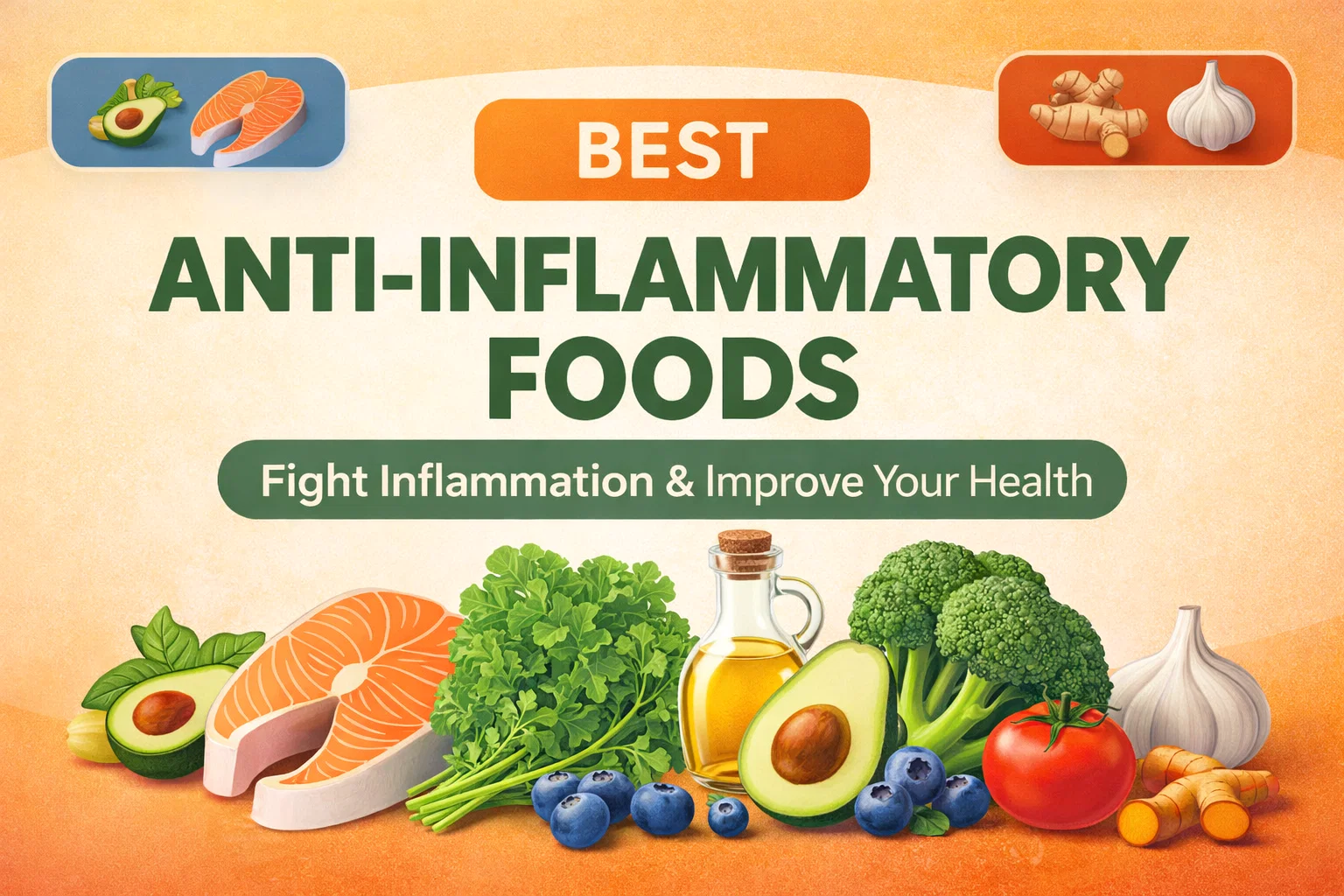
Today, we are taking a deep dive into the ultimate anti-inflammatory diet grocery list. This is not about restriction. It is about abundance. We are going to explore a colorful, delicious variety of foods that nourish your cells, support your digestive system, and make you feel amazing. Grab your reusable shopping bags, because we are about to build a cart full of wellness.
Understanding the Anti-Inflammatory Approach
Before we explore the specific foods, it helps to understand what we are fighting. Acute inflammation is a normal, healthy response to injury or infection. However, when inflammation becomes chronic due to stress, environmental toxins, or highly processed diets, it begins to damage healthy cells. This systemic inflammation is linked to everything from joint pain to digestive issues and skin flare-ups. Transitioning to an anti-inflammatory diet means prioritizing whole, nutrient-dense foods that naturally lower these inflammatory markers and promote healing.
Powerhouse Proteins for Cellular Repair
Protein is the building block of life, essential for repairing tissues and producing vital enzymes. But not all proteins are created equal when it comes to fighting inflammation. The key is to look for clean, high-quality sources.
Wild-Caught Seafood
Wild-caught salmon, sardines, mackerel, and anchovies are absolute superstars. They are swimming with Omega-3 fatty acids, specifically EPA and DHA, which are heavily researched for their ability to suppress inflammatory responses. Adding these fatty fish to your weekly meal rotation can significantly benefit your heart and joint health.
Quality Poultry and Meats
If you consume meat, quality matters immensely. Opt for organic chicken, pasture-raised eggs, and grass-fed beef. Grass-fed beef, for instance, contains higher levels of Omega-3s and conjugated linoleic acid compared to conventional grain-fed options. Bone broth is another incredible addition. It is rich in collagen and amino acids like glutamine, which are incredibly soothing for the intestinal lining.
Plant-Based Proteins
For those leaning towards a plant-based or flexitarian lifestyle, lentils, chickpeas, and black beans are fantastic. They provide a hefty dose of fiber and phytonutrients. Hemp seeds and chia seeds are also tiny but mighty, offering an easy way to sprinkle plant-based Omega-3s onto salads or smoothie bowls.
Gut-Healing Fermented Foods
True wellness begins in the digestive tract. Your gut microbiome houses a massive portion of your immune system.
Shutterstock
Explore
When your gut flora is out of balance, inflammation can run rampant. This is where the magic of fermented foods comes into play. Incorporating these probiotic-rich foods is a cornerstone of holistic health and natural healing.
Cultured Dairy and Alternatives
Plain, unsweetened kefir and yogurt are classic ways to introduce beneficial bacteria into your system. If you avoid dairy, coconut yogurt and water kefir are excellent alternatives that provide similar probiotic benefits without the lactose.
Traditional Ferments
Vegetable ferments like sauerkraut and kimchi are traditional remedies that have been used for centuries. Not only do they deliver probiotics, but the fermentation process also makes the nutrients in the cabbage and vegetables more bioavailable. Miso and tempeh are wonderful fermented soy options that add deep, savory flavors to your meals while supporting digestion. Even a daily splash of raw apple cider vinegar in water can help balance stomach acid and support a healthy gut environment.
Inflammation-Fighting Vegetables
Your mother was right when she told you to eat your greens. Vegetables are packed with antioxidants, vitamins, and minerals that neutralize free radicals before they can trigger inflammation.
Leafy Greens and Cruciferous Veggies
Spinach, kale, Swiss chard, and arugula should form the base of your daily diet. They are rich in vitamins A, C, and K, as well as essential minerals. Cruciferous vegetables like broccoli, Brussels sprouts, and cauliflower contain sulfur compounds called glucosinolates, which support the liver in detoxifying the body and reducing inflammatory load.
Colorful Root Veggies and Alliums
Do not shy away from color. Beets and sweet potatoes offer complex carbohydrates and powerful antioxidants. Beets, in particular, contain betalains, which have been shown to provide exceptional anti-inflammatory support. Additionally, alliums like garlic, onions, and leeks are rich in quercetin, a flavonoid that acts like a natural antihistamine and anti-inflammatory agent in the body.
Low-Sugar Fruits for Sweet Relief
While processed sugars are a primary driver of inflammation, naturally occurring sugars in whole fruits come packaged with fiber and nutrients. The secret is focusing on low-glycemic fruits that keep your blood sugar stable.
Berries Galore
Blueberries, blackberries, raspberries, and strawberries are nature’s candy. They are loaded with anthocyanins, the compounds that give them their vibrant colors. These antioxidants specifically target and reduce inflammation, making a daily handful of berries a smart, delicious habit.
Citrus and Stone Fruits
Lemons and limes are fantastic for adding flavor to water and meals, providing a dose of vitamin C and helping to alkalize the body. Cherries are famous for their ability to lower uric acid levels and reduce muscle soreness. Don’t forget avocados and olives, which are technically fruits. They are unique because they are low in sugar but exceptionally high in the healthy fats your body desperately needs.
Healthy Fats to Nourish Your Body
For decades, fats were unfairly demonized. Today, we know that healthy, unrefined fats are essential for a robust nervous system, hormone production, and, most importantly, controlling inflammation.
Oils and Spreads
Extra virgin olive oil is the champion of the Mediterranean diet. It contains oleocanthal, an antioxidant that has been shown to work similarly to ibuprofen in the body. Drizzle it generously over your salads and cooked vegetables. Coconut oil and ghee (clarified butter) are excellent for higher-heat cooking. Ghee is particularly beneficial as it is rich in butyrate, a short-chain fatty acid that directly nourishes the cells of your gut lining.
Nature’s Pharmacy: Anti-Inflammatory Herbs and Spices
One of the most exciting aspects of holistic health is utilizing the powerful medicine found in your spice rack. Herbs and spices are highly concentrated sources of antioxidants. They are the perfect natural remedies to elevate both the flavor and the healing potential of your meals.
Turmeric and Ginger
Turmeric contains curcumin, one of the most thoroughly studied anti-inflammatory compounds in the world. Always remember to pair turmeric with a pinch of black pepper, which increases the absorption of curcumin exponentially. Ginger is another potent root, known for settling the stomach and soothing joint pain.
Aromatic Herbs
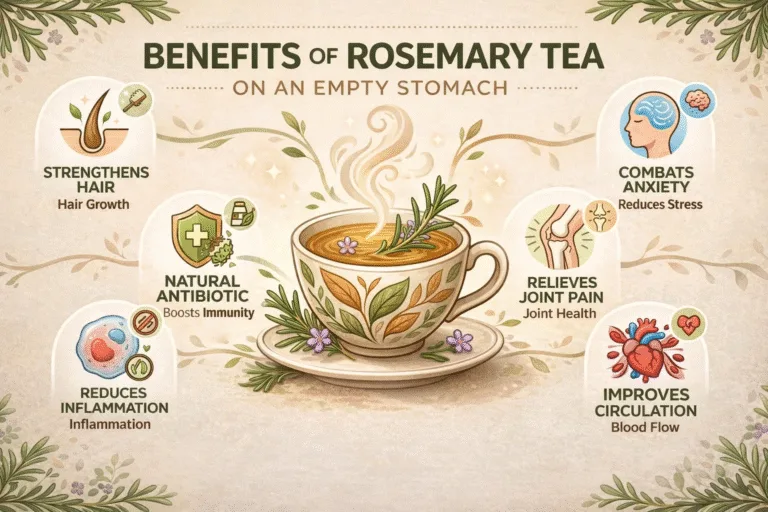
Do not underestimate the everyday herbs. Rosemary, thyme, oregano, and basil are packed with healing oils. Rosemary, for example, is fantastic for circulation and cognitive health. Incorporating herbs for gut health is incredibly effective. You can easily steep fresh ginger or sprigs of rosemary into a warm, soothing winter tea to support your digestion and skin health from the inside out. Cinnamon is also brilliant for regulating blood sugar, which in turn helps manage systemic inflammation.
Embrace a Vibrant, Healing Lifestyle
Transitioning to an anti-inflammatory diet is a beautiful journey toward better health. By printing out this grocery guide and bringing it with you to the store, you take the guesswork out of meal planning. Every time you choose wild-caught fish, crisp organic vegetables, probiotic-rich ferments, or brew a comforting herbal tea, you are making a conscious decision to heal your body.
Remember that consistency is more important than perfection. Start by slowly swapping out highly processed foods for these nutrient-dense alternatives. Listen to your body, experiment with new spices, and enjoy the delicious process of eating for true wellness. Your gut, your joints, and your energy levels will thank you.