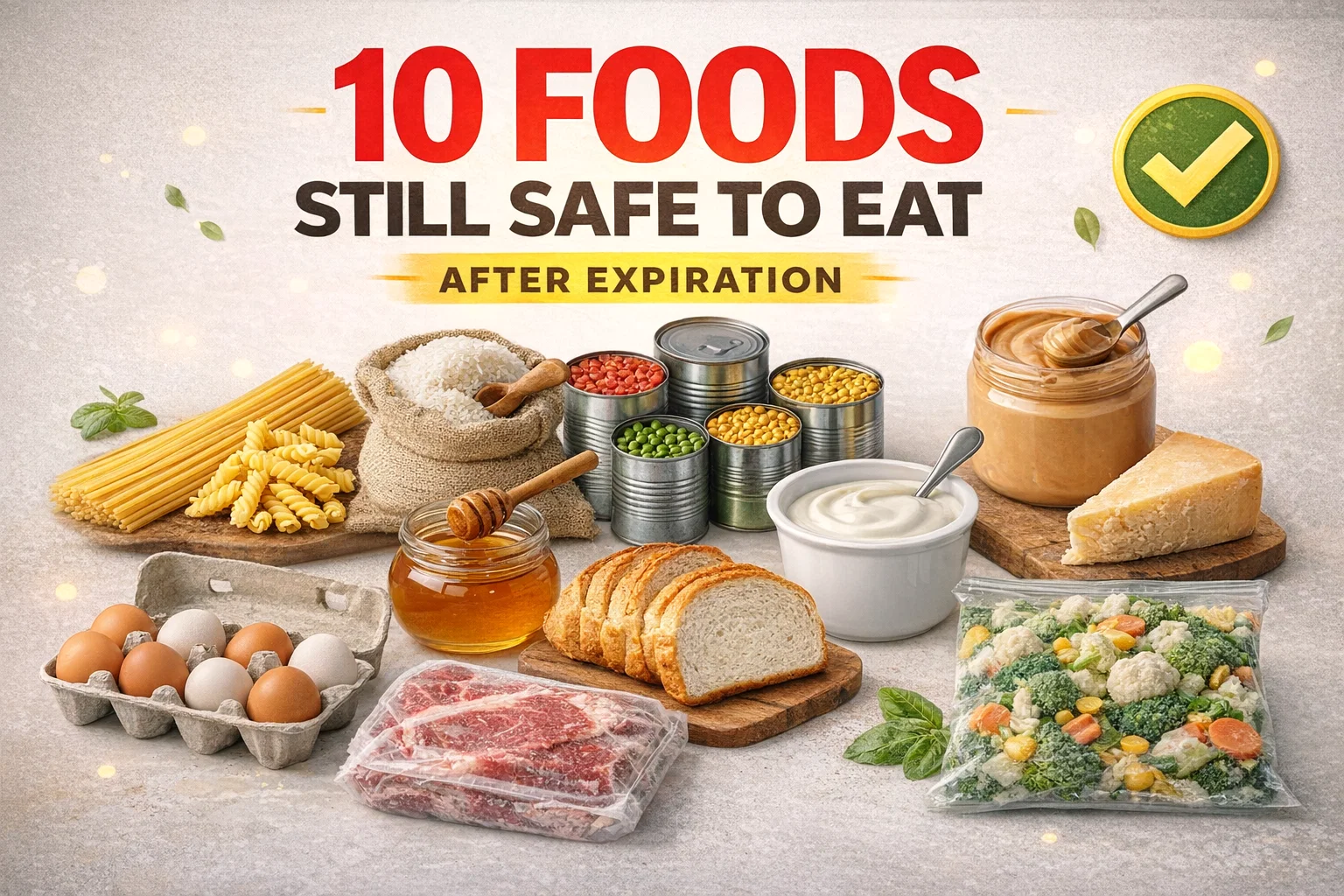
10 Foods Still Safe to Eat Past Their Expiration Date
Have you ever stared at a carton of eggs in your refrigerator, checked the tiny date stamped on the side, and wondered if you are playing a risky game by eating them? You are certainly not alone. Millions of perfectly good groceries end up in the trash every single year simply because we misunderstand what those little printed dates actually mean. It is time to clear up the confusion, save some serious money, and reduce our household food waste. We are going to dive deep into the everyday foods that stay safe and delicious well past their printed expiration dates.
There is a growing movement toward mindful consumption and treating our resources with respect. Whether you are stocking up on natural remedies or simply trying to keep your kitchen running efficiently, understanding the true shelf life of your food is a foundational skill. Let us explore how you can build a more sustainable home by knowing exactly what is safe to keep and what truly needs to be tossed.
The Truth About Food Dating Labels
Before we look at specific pantry staples and fridge finds, we need to talk about the labels themselves. The dates printed on your food packaging are almost entirely unregulated and are generally indicators of peak quality rather than strict safety deadlines. Manufacturers use these dates to tell grocery stores when to rotate stock or to let consumers know when the product will taste its absolute best.
A “Best By” date means the food will have the best flavor and texture before that day. A “Sell By” date is strictly for the store inventory team to know how long to display the product for sale. A “Use By” date is the last date recommended for the use of the product while at peak quality. None of these dates mean the food magically turns toxic at the stroke of midnight. Relying on your senses is often a much better gauge of food safety than a printed stamp.
Indestructible Pantry Staples
Your pantry is home to some of the most resilient foods on the planet. By keeping this space cool, dark, and completely dry, you can extend the life of your dry goods incredibly well.
Honey: Nature’s Immortal Sweetener
Honey is a remarkable substance that is highly valued in both the culinary world and holistic wellness circles. Because of its incredibly low moisture content and naturally high acidity, bacteria and microorganisms simply cannot survive in it. This means honey literally never spoils. Archaeologists have even found pots of honey in ancient Egyptian tombs that are thousands of years old and still perfectly edible. If your honey crystallizes and gets cloudy or hard, it has not gone bad. You just need to place the jar in a bowl of warm water to gently melt the crystals back into a smooth liquid.
White Rice: A Forever Grain
White rice is a fantastic staple to keep on hand because it can last for years if it remains unopened and free from pests. The milling process removes the bran and germ, which are the parts of the grain that contain natural oils. Because those oils are missing, white rice does not go rancid the way brown rice does. Store it in an airtight container to protect it from moisture and pantry moths, and it will be ready to cook long after any printed date has passed.
Dry Pasta: The Ultimate Backup Meal
Much like white rice, dry pasta is essentially a moisture-free zone. As long as you keep it perfectly dry, it remains safe to eat long after the date on the cardboard box. If moisture gets in, you run the risk of mold, but a tightly sealed container of pasta will sit happily in your cupboard for years, ready to be boiled up for a quick weeknight dinner.
Canned Goods: Built to Last
The canning process is a marvel of modern food preservation. By sealing food in a sterile environment and heating it to kill any bacteria, canned goods are rendered incredibly safe. Most canned vegetables, beans, and soups are usually safe to consume one to five years past the printed date. The golden rule here is to inspect the can itself. If the can is dented on the seam, rusting, or swelling, you must throw it away. Swelling indicates bacterial activity inside the can. If the can is pristine, the contents inside are almost certainly safe.
Peanut Butter: Creamy, Crunchy, and Enduring
Peanut butter is dense, low in moisture, and high in oil. Commercial peanut butter, especially the varieties with added stabilizers, is still fine for months past its printed date. Over a long period, the natural oils might begin to go rancid, which will give the peanut butter a slightly bitter or stale taste. However, it remains safe to eat. Natural peanut butters without preservatives have a slightly shorter shelf life and do better when stored in the refrigerator after opening.
Navigating Fridge and Bakery Items
The refrigerator extends the life of our food by slowing down the growth of bacteria. While you need to be more careful with fresh items than with dry goods, there is still plenty of wiggle room.
Hard Cheese: Do Not Fear a Little Fuzz
Finding a spot of mold on a piece of cheese usually triggers an immediate toss into the trash bin. However, for hard cheeses like Parmesan, Cheddar, or Swiss, mold struggles to penetrate the dense structure of the dairy. If you spot a little fuzzy patch on your block of hard cheese, simply cut off the moldy part along with an extra inch around and below it. Make sure your knife does not touch the mold so you do not cross-contaminate the fresh cuts. The rest of the block is perfectly safe and delicious.
Yogurt: The Power of Fermentation
Yogurt is already a product of bacterial fermentation. The live and active cultures that turn milk into yogurt also create an acidic environment that naturally wards off harmful pathogens. Unopened and sealed yogurt is generally fine to eat one to two weeks past the printed date. When you open it, look for any visual signs of pink or green mold and give it a quick sniff. If it smells pleasantly tangy like normal yogurt, grab a spoon and enjoy.
Eggs: The Magical Float Test
Eggs are remarkably sturdy and are usually good for a full three to five weeks past the date on the carton. If you are ever in doubt, you do not need to crack it open and risk a terrible smell. You can rely on the simple float test.
Gently drop the egg into a tall glass of cold water. Eggshells are porous, and over time, moisture escapes and air enters, creating a larger air pocket inside the shell. If the egg sinks and lays flat on the bottom, it is very fresh. If it stands on one end at the bottom, it is older but still perfectly safe to eat and actually great for hard-boiling. If the egg floats entirely to the surface, it is time to throw it away.
Bread: Rely on Your Eyes
Bread dates are highly subjective. The moisture content in bread makes it a prime target for mold, but the printed date is just a guess. Your bread is perfectly okay to eat after the date as long as you do not see any mold. To extend the life of your bread significantly, bypass the counter entirely. Store your loaves in the refrigerator or freeze the slices and pop them directly into the toaster when you need them.
The Magic of the Freezer
Your freezer is essentially a pause button for your groceries. Keeping food at zero degrees Fahrenheit effectively stops the growth of any bacteria that could cause foodborne illness.
Frozen Meat: Safe Sourcing
As long as meat has been kept continuously frozen, it is safe to eat indefinitely. The dates associated with frozen meat are entirely about quality. Over time, meat can develop freezer burn, which dries out the surface and creates tough, flavorless patches. While a steak that has been in your freezer for three years might not be the most tender or flavorful meal you have ever cooked, it will not make you sick.
Frozen Vegetables: Nutrition Locked In
Freezing vegetables locks in their nutrients at the absolute peak of freshness. Like frozen meat, frozen broccoli, peas, and carrots are safe well past their expiration dates. You might notice a drop in texture quality or the formation of ice crystals over a long period, but they remain a safe, healthy addition to your soups, stews, and stir-fries.
Smart Storage for a Sustainable Kitchen
Knowing that your food lasts longer is only half the battle. Storing it correctly is what actually guarantees that longevity. By taking a few extra moments to organize your groceries, you can ensure that your food stays fresh and safe.
- Use Airtight Containers: Transferring items like rice, pasta, and flour from their flimsy cardboard boxes or paper bags into solid glass or BPA-free plastic containers protects them from moisture and pantry pests.
- Mind the Temperature: Keep your pantry goods away from the stove, oven, or direct sunlight. Heat degrades food quality rapidly.
- Label Everything: If you are moving food out of its original packaging, use a piece of masking tape to label the container with the item name and the date you bought it. This helps you rotate your stock effectively.
- Trust Your Senses: Your eyes and nose are powerful tools. If something smells rancid, has visible mold, or has completely changed color or texture, it is better to be safe and compost it.
By shifting our perspective on expiration dates from strict deadlines to helpful guidelines, we can completely transform the way we manage our kitchens. We can stop pouring money down the drain, honor the resources it took to grow and transport our food, and eat with confidence. Next time you clean out your cupboards, take a closer look before you toss things into the garbage. You might just find that your kitchen is far more stocked than you originally thought.