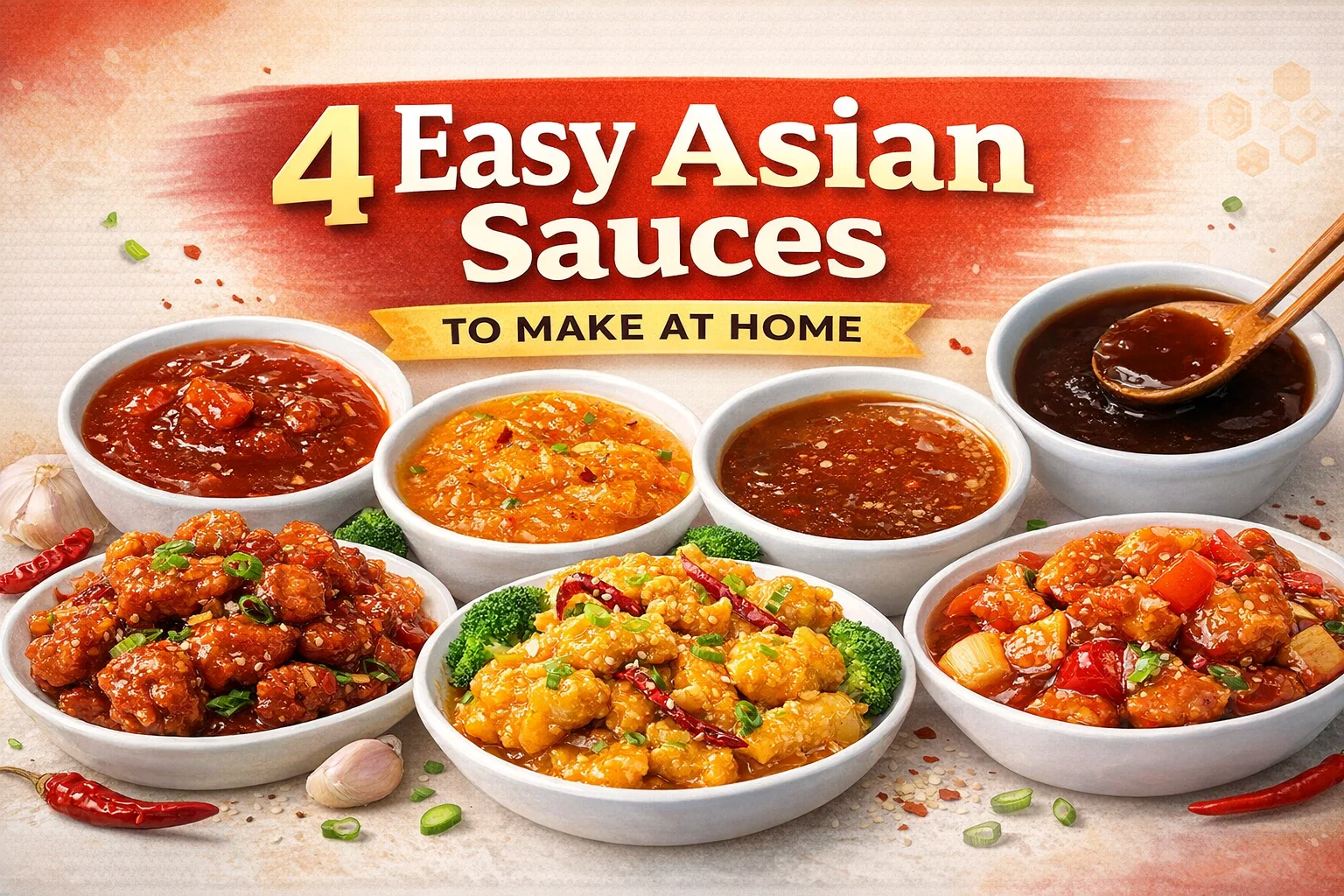
4 Easy Homemade Asian Takeout Sauce Recipes You Must Try
We all know the feeling. It is a busy weeknight, you are exhausted, and the temptation to pick up your phone and order delivery is incredibly strong. Asian takeout is a universal comfort food, offering that perfect balance of salty, sweet, savory, and spicy flavors. However, relying on restaurant delivery can quickly drain your wallet and add unnecessary sodium and hidden sugars to your diet. What if you could recreate those exact mouthwatering flavors right in your own kitchen in less time than it takes for a delivery driver to arrive? You absolutely can. The secret does not lie in a specialized wok or restaurant grade heating equipment. The true magic is all in the sauce.
Mastering homemade Asian sauces is the single best way to elevate your home cooking. Once you understand the basic ratios and ingredients, you will realize how simple it is to whip up a restaurant quality meal using whatever proteins and vegetables you already have in your fridge. Today, we are diving deep into four foundational takeout sauce recipes that will completely transform your weeknight dinner rotation. From a spicy and savory General Tso to a perfectly tangy Sweet and Sour, these recipes are quick, reliable, and absolutely delicious.
Why You Should Start Making Your Own Takeout Sauces
Before we get to the recipes, it is important to understand why taking a few extra minutes to mix your own sauces is so beneficial. First and foremost is total control over your ingredients. Restaurant sauces are notoriously heavy on refined sugars, MSG, and high sodium soy sauce. When you make these at home, you get to dictate exactly what goes into your body. You can easily swap regular sugar for natural alternatives like honey or maple syrup. You can choose low sodium soy sauce or a gluten free alternative like tamari or coconut aminos. The power is entirely in your hands.
Another major advantage is cost efficiency. Buying pre made bottled sauces at the grocery store might seem convenient, but those small bottles are surprisingly expensive and often lack the fresh, vibrant punch of homemade versions. By stocking up on a few basic pantry staples, you can create dozens of batches of sauce for a fraction of the cost. Plus, you avoid the disappointment of buying a bottled sauce only to find out it tastes artificial or overly sweet.
Finally, there is the unmatched satisfaction of culinary creation. There is a deep sense of accomplishment that comes from tasting a dish and realizing it tastes just as good, if not better, than your favorite local restaurant. These homemade versions allow you to tweak the flavor profiles. If you love garlic, you can add an extra clove. If you prefer a milder dish, you can hold back on the red pepper flakes. Your kitchen becomes your own personal test kitchen.
Essential Pantry Staples for Asian Cooking
To successfully execute these recipes, you will need to build a basic Asian flavor pantry. Do not worry, you will not need to hunt down obscure ingredients. Most of these items are readily available in the international aisle of your standard grocery store.
- Soy Sauce: This is the salty, umami rich backbone of almost all Asian cooking. Keep both regular and light soy sauce on hand if possible, but a good quality all purpose soy sauce works perfectly for these recipes.
- Rice Vinegar: This vinegar provides a mild, slightly sweet acidity that brightens up heavy sauces. It is much less harsh than white vinegar and is essential for achieving the right tanginess.
- Sesame Oil: Toasted sesame oil is a finishing oil, not a cooking oil. Just a few drops will infuse your entire dish with a deep, nutty, and distinctly Asian aroma.
- Cornstarch: This is the secret to achieving that glossy, thick, restaurant style sauce texture. It is always used by creating a slurry, which means mixing it with a cold liquid before adding it to a hot pan.
- Fresh Aromatics: Never underestimate the power of fresh garlic and ginger. While powdered versions have their place in a pinch, mincing fresh cloves and ginger root will elevate your sauces from average to spectacular.
- Hoisin Sauce: Often described as Chinese BBQ sauce, hoisin is thick, dark, sweet, and salty. It adds an incredible depth of flavor to dishes like General Tso chicken.
The Ultimate General Tso Sauce
General Tso chicken is arguably the most iconic Chinese American takeout dish in existence. It is famous for its sticky, slightly spicy, and deeply savory flavor profile that clings perfectly to crispy chunks of chicken. Making this sauce at home is surprisingly straightforward and yields a complex flavor that bottled versions simply cannot replicate.
Ingredients You Will Need
- 2 teaspoons vegetable oil
- 2 teaspoons minced fresh garlic
- 1/2 teaspoon red pepper flakes (adjust for desired heat level)
- 3/4 cup chicken broth
- 2 tablespoons hoisin sauce
- 1 tablespoon brown sugar
- 1/4 cup soy sauce
- 1 tablespoon cornstarch
How to Bring It Together
The beauty of this General Tso sauce is in the blooming of the spices. You will want to start by heating the vegetable oil in a small saucepan over medium heat. Add the minced fresh garlic and the red pepper flakes. Sautéing these aromatics in the oil for just thirty seconds releases their essential oils and creates a robust flavor base. Next, whisk together the chicken broth, hoisin sauce, brown sugar, soy sauce, and cornstarch in a separate bowl. Ensure the cornstarch is completely dissolved to avoid lumps. Pour this liquid mixture into the saucepan with the garlic and pepper flakes. Let it simmer gently until it thickens into a glossy glaze. Toss this with crispy fried chicken or even roasted cauliflower for a fantastic vegetarian alternative.
Bright and Zesty Orange Chicken Sauce
If you prefer a brighter, more citrus forward flavor, Orange Chicken is the ultimate crowd pleaser. The sticky sweet and tangy coating is irresistible, especially when paired with fluffy white rice. The key to a phenomenal orange sauce is using real citrus components rather than relying solely on sugar for flavor.
Ingredients You Will Need
- 1 cup orange juice (freshly squeezed yields the best results)
- 1/3 cup brown sugar
- 2 tablespoons rice vinegar
- 1/4 cup soy sauce
- 1 tablespoon fresh ginger, minced
- 2 cloves garlic, finely diced
- 1 teaspoon red pepper flakes
- Zest of 1 whole orange
- 1 tablespoon cornstarch
How to Bring It Together
This recipe relies on the natural sweetness and acidity of the orange juice and zest. The zest is incredibly important because it contains the aromatic citrus oils that give the sauce its authentic flavor. To make the sauce, combine the orange juice, brown sugar, rice vinegar, soy sauce, minced ginger, diced garlic, red pepper flakes, and orange zest in a saucepan. Bring the mixture to a gentle boil, allowing the flavors to meld and the sugar to dissolve completely. In a small cup, mix the cornstarch with a splash of cold water to create a slurry. Whisk the slurry into the boiling sauce and watch as it magically thickens into a rich, clinging glaze. This sauce is absolutely divine over pan fried chicken breast chunks or crispy tofu.
The Essential All Purpose Stir Fry Sauce
Every home cook needs a reliable, versatile stir fry sauce in their repertoire. This is your blank canvas. It is savory, perfectly balanced, and works beautifully with almost any combination of vegetables and proteins you need to clear out of your crisper drawer. Having this recipe memorized will save you on those nights when you have no idea what to make for dinner.
Ingredients You Will Need
- 1/4 cup soy sauce
- 1/4 cup chicken broth (or vegetable broth)
- 1 tablespoon Shaoxing wine (or dry sherry as a substitute)
- 1 teaspoon sugar
- 1 teaspoon sesame oil
- 1 tablespoon minced garlic
- 1 tablespoon minced ginger
- 2 tablespoons cornstarch
- 1/4 cup water
How to Bring It Together
The inclusion of Shaoxing wine is what gives this sauce that authentic, complex restaurant taste. If you cannot find it, dry sherry is an excellent substitute. Preparing this sauce is incredibly simple. You do not even need a separate saucepan. Simply combine the soy sauce, chicken broth, Shaoxing wine, sugar, sesame oil, minced garlic, and minced ginger in a jar or bowl. In a separate small dish, mix the cornstarch and water. When you are cooking your stir fry, get your proteins and vegetables cooked first. Then, pour the liquid mixture into the wok or skillet. Immediately stir in the cornstarch slurry. The heat from the pan will cause the sauce to bubble and thicken instantly, coating your stir fry ingredients perfectly. Serve immediately over noodles or rice for a deeply satisfying meal.
Classic Sweet and Sour Sauce
Sweet and sour sauce is a nostalgic favorite. It is the brilliant red, perfectly tangy, and delightfully sweet concoction that makes everything from chicken nuggets to egg rolls taste better. While the neon pink packets from the drive through might hold a certain charm, making it from scratch elevates the flavor profile entirely, utilizing fruit juice for a natural sweetness.
Ingredients You Will Need
- 1 cup canned pineapple juice
- 3/4 cup light brown sugar
- 1/3 cup rice vinegar
- 3 tablespoons ketchup
- 2 tablespoons soy sauce
- 1/4 teaspoon garlic powder
- 1 1/2 tablespoons cornstarch dissolved in 2 tablespoons water
How to Bring It Together
The secret ingredient here is the canned pineapple juice. It provides a fruity, tropical sweetness that pairs perfectly with the acidity of the rice vinegar. The ketchup might seem out of place, but it is actually a very traditional addition to Americanized sweet and sour sauce, providing both color and a savory tomato base. To prepare this vibrant sauce, combine the pineapple juice, light brown sugar, rice vinegar, ketchup, soy sauce, and garlic powder in a small pot. Whisk the ingredients together over medium heat until the sugar is fully dissolved and the mixture begins to simmer gently. Once simmering, slowly pour in your prepared cornstarch and water slurry while whisking continuously. The sauce will thicken into a beautiful, glossy glaze. Let it cool slightly to thicken further. This is perfect as a dipping sauce for wontons or tossed with bell peppers, onions, and crispy pork.
Pro Tips for Storing and Meal Prepping
One of the best things about these homemade takeout sauces is how meal prep friendly they are. You do not have to make them exactly when you are ready to cook. You can easily scale these recipes up and make a large batch on Sunday afternoon to use throughout the week. Having pre made sauces ready to go in the fridge turns a thirty minute meal into a fifteen minute breeze.
When storing these sauces, mason jars or airtight glass containers are your best friends. Glass prevents the strong aromas of garlic and ginger from lingering, unlike plastic containers. Most of these sauces will stay fresh in the refrigerator for up to one week. If you choose to prep them in advance, leave the cornstarch out of the mixture. Cornstarch can lose its thickening power over time when sitting in acidic liquids like vinegar or citrus juice. Instead, mix the base liquids and aromatics and store them in the fridge. When you are ready to cook, heat the sauce in your pan and add a fresh cornstarch slurry right at the end to achieve that perfect glossy finish.
You can also freeze the base of these sauces. Pour the liquid mixtures into ice cube trays and freeze them. Once solid, pop the sauce cubes into a freezer safe bag. When a craving hits, simply melt a few cubes in a pan, add your fresh slurry, and toss with your favorite ingredients.
Conclusion: Your Kitchen is the New Takeout Spot
Breaking the habit of ordering delivery might seem daunting at first, but once you realize how effortless it is to create these incredible flavor profiles at home, you will never look back. By mastering the General Tso, Orange Chicken, Stir Fry, and Sweet and Sour sauces, you have armed yourself with a culinary arsenal capable of satisfying any takeout craving. You are saving money, eating healthier, and expanding your cooking skills all at the same time.
The beauty of cooking is experimentation. Use these recipes as a solid foundation, but do not be afraid to make them your own. Add a splash of sriracha for more heat, try throwing in some toasted sesame seeds for texture, or experiment with different types of vinegar. The possibilities are endless. So, put away those delivery menus, tie on your apron, and get ready to enjoy the best Asian cuisine right from your very own stove. Happy cooking!